





- omer bar
- •
- 9 Min Read
- •
- 2 hours ago
Key Points
- Apple has increased prices across several MacBook and iPad models as rising memory and storage costs begin impacting consumer electronics pricing.
- The company cited unprecedented demand from artificial intelligence infrastructure buildouts as a key driver behind the global memory supply shortage.
- The pricing changes highlight how the AI boom is creating winners among memory manufacturers while increasing costs for major hardware producers.
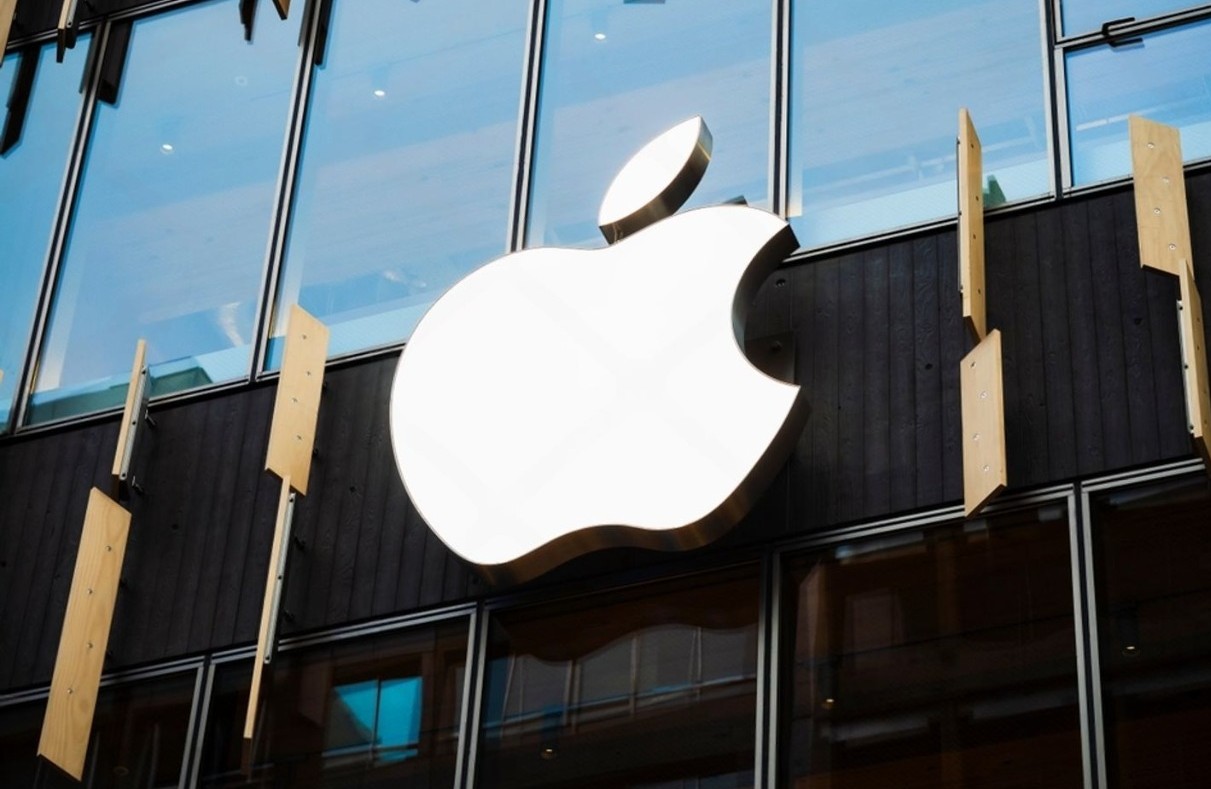
Apple Passes Rising Component Costs to Consumers
Apple (NASDAQ: AAPL) announced price increases across portions of its MacBook and iPad lineup, marking one of the company’s most significant pricing adjustments in recent years. The move follows warnings from Chief Executive Officer Tim Cook that surging memory and storage costs were becoming increasingly difficult for the company to absorb.
The announcement triggered a negative market reaction, with Apple shares falling approximately 5% as investors evaluated the potential impact on consumer demand and future device sales.
According to Apple, the rapid expansion of artificial intelligence infrastructure has created extraordinary demand for memory and storage components throughout the technology industry. As hyperscalers and AI developers continue investing billions of dollars into new data centers, component suppliers have increasingly shifted production toward products designed for AI servers, reducing available supply for consumer electronics manufacturers.
The resulting supply imbalance has pushed memory prices sharply higher, forcing technology companies to reevaluate pricing strategies across multiple product categories.
The AI Infrastructure Boom Creates Unexpected Consequences
The artificial intelligence revolution has generated enormous demand for advanced semiconductors, high-bandwidth memory, and enterprise-grade storage systems. While much of the attention has focused on companies building AI models and operating data centers, the effects are now spreading throughout the broader technology ecosystem.
As AI workloads expand, suppliers have prioritized production of memory solutions used in servers supporting large language models, cloud infrastructure, and advanced computing applications. This shift has created shortages across traditional memory markets that serve laptops, tablets, smartphones, and other consumer devices.
Apple described the situation as an unprecedented challenge for the electronics industry, noting that component costs have risen at a pace rarely seen in modern technology supply chains.
The company’s decision to increase prices reflects a broader industry reality in which hardware manufacturers can no longer fully absorb escalating input costs without impacting profitability.
Memory Suppliers Continue to Benefit
While higher component prices present challenges for device manufacturers, memory producers have emerged as some of the largest beneficiaries of the AI-driven investment cycle.
The extraordinary demand for memory solutions has significantly improved pricing power across the sector, resulting in stronger revenues, expanding margins, and improved earnings performance for suppliers serving both data center and enterprise markets.
The memory industry, which has historically experienced significant cyclical volatility, is now benefiting from structural demand driven by artificial intelligence infrastructure spending. As cloud providers, AI developers, and enterprise customers continue expanding computing capacity, memory remains one of the most critical components within the technology supply chain.
This dynamic has created a favorable environment for memory manufacturers even as companies further downstream face rising costs.
Artificial Intelligence Is Reshaping Apple’s Product Strategy
The emergence of advanced AI capabilities is also influencing Apple’s long-term hardware roadmap.
Industry analysts expect future devices to include larger memory configurations as artificial intelligence features become increasingly integrated into smartphones, tablets, and personal computers. More sophisticated AI applications require additional processing power and memory resources, making higher-capacity hardware configurations essential for delivering advanced functionality.
As a result, Apple may increasingly position premium hardware specifications as necessary components of next-generation AI experiences rather than optional upgrades.
This approach could allow the company to justify higher average selling prices while simultaneously supporting the performance requirements of future AI-driven software features.
Investor Focus Shifts to Consumer Demand
The primary question facing investors is whether consumers will continue upgrading devices at current rates despite higher prices.
Apple has historically demonstrated an ability to maintain premium pricing due to the strength of its ecosystem, brand loyalty, and product integration. However, rising prices arrive at a time when consumers remain sensitive to inflation and broader economic uncertainty.
The company’s ability to successfully navigate this environment will likely depend on whether customers perceive sufficient value in new hardware improvements and AI capabilities to justify increased costs.
Future earnings reports may provide important insight into how pricing changes affect demand across Apple’s product portfolio.
Looking Ahead
Apple’s decision to raise MacBook and iPad prices illustrates how the artificial intelligence boom is transforming far more than cloud computing and data centers. The unprecedented demand for AI infrastructure is now influencing semiconductor supply chains, consumer hardware pricing, and corporate profitability across the technology sector.
As AI adoption continues accelerating, memory and storage availability are likely to remain critical constraints throughout the industry. Companies supplying these components may continue benefiting from favorable market dynamics, while hardware manufacturers face ongoing pressure to balance pricing, margins, and customer demand.
Comparison, examination, and analysis between investment houses
Leave your details, and an expert from our team will get back to you as soon as possible
* This article, in whole or in part, does not contain any promise of investment returns, nor does it constitute professional advice to make investments in any particular field.
To read more about the full disclaimer, click here
- sagi habasov
- •
- 9 Min Read
- •
- ago 1 hour
SKN | Micron Earnings Crush Expectations as AI Memory Demand Exposes a Critical Industry Bottleneck
Micron Delivers a Breakout Quarter Micron Technology (NASDAQ: MU) surged following a blockbuster earnings report that highlighted the growing importance
- ago 1 hour
- •
- 9 Min Read
Micron Delivers a Breakout Quarter Micron Technology (NASDAQ: MU) surged following a blockbuster earnings report that highlighted the growing importance

- omer bar
- •
- 8 Min Read
- •
- ago 6 hours
SKN | The Behavioral Monetization Paradigm: Meta Architects “Arena” Prediction Platform to Combat Systemic User Saturation
Systemic realignments across the international digital ecosystem and the continuous optimization of engagement-driven monetization vectors are compelling Meta Platforms to
- ago 6 hours
- •
- 8 Min Read

Systemic realignments across the international digital ecosystem and the continuous optimization of engagement-driven monetization vectors are compelling Meta Platforms to

- Lior mor
- •
- 8 Min Read
- •
- ago 6 hours
SKN | The Comeback of the Decade: How BlackBerry Doubled Its Stock and Won Over Wall Street
Global capital markets in 2026 embrace corporate turnaround narratives, but few are as structurally dramatic or unexpected as BlackBerry’s ongoing
- ago 6 hours
- •
- 8 Min Read

Global capital markets in 2026 embrace corporate turnaround narratives, but few are as structurally dramatic or unexpected as BlackBerry’s ongoing
- Lior mor
- •
- 8 Min Read
- •
- ago 7 hours
SKN | Qualcomm’s Counter-Attack: Will Modular Software Shatter Nvidia’s AI Monopoly?
The global semiconductor complex is navigating a titanic clash in the second half of 2026, redefining the technological and
- ago 7 hours
- •
- 8 Min Read
The global semiconductor complex is navigating a titanic clash in the second half of 2026, redefining the technological and


