


- omer bar
- •
- 6 Min Read
- •
- 14 seconds ago
Key Points
- APM Terminals completed a $73 million rail expansion at the Port of Los Angeles to enhance cargo flow efficiency.
- Improved intermodal connectivity aims to reduce congestion and lower transportation costs.
- Infrastructure investment reflects long-term trade demand and supply chain modernization trends.
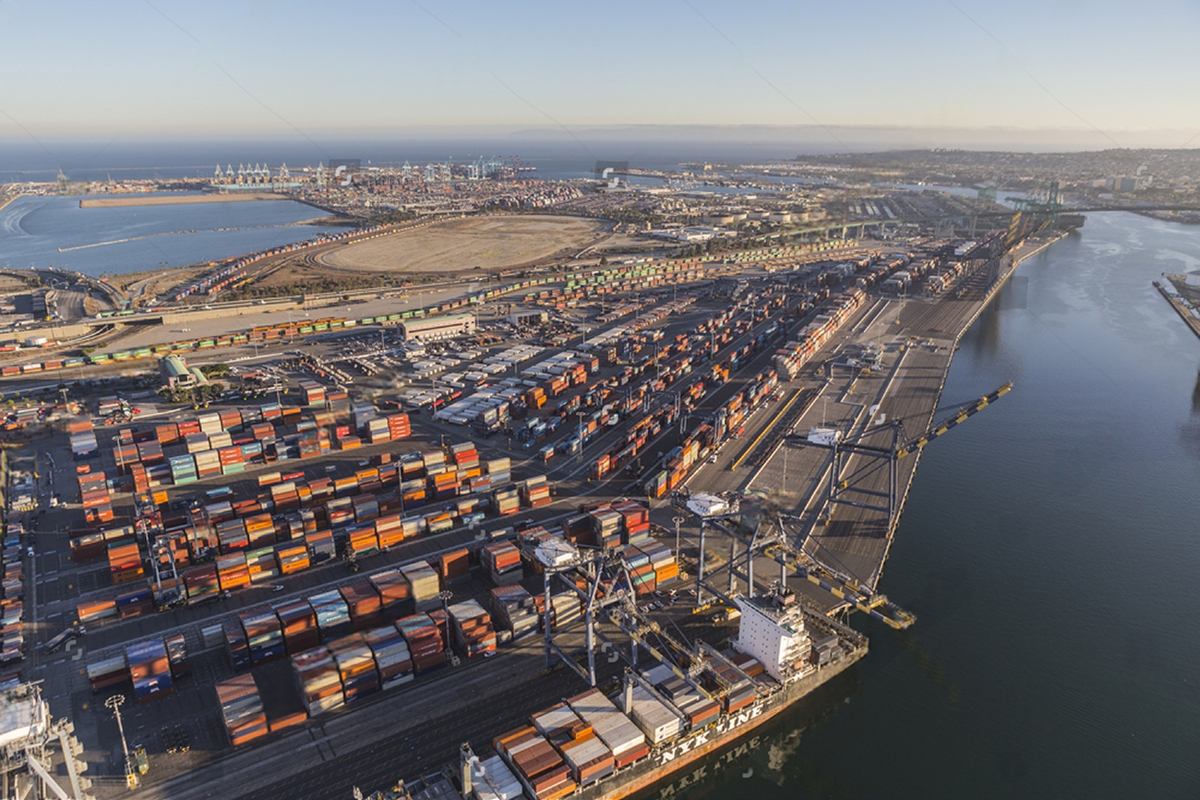
APM Terminals has completed a $73 million rail expansion project at the Port of Los Angeles, marking a significant step in enhancing one of the busiest trade gateways in the United States. The development comes as global supply chains continue to evolve, with increased emphasis on efficiency, resilience, and cost optimization amid shifting trade dynamics.
Infrastructure Investment Targets Bottlenecks
The expansion focuses on increasing on-dock rail capacity, enabling faster and more efficient movement of containers between ships and inland transportation networks. Ports have faced persistent congestion challenges in recent years, particularly during periods of elevated trade volumes.
By improving rail infrastructure, APM Terminals aims to reduce reliance on trucking, shorten dwell times, and enhance throughput. These improvements are critical for maintaining competitiveness in global trade, where delays can have cascading effects across supply chains.
For logistics operators and shipping companies, enhanced rail connectivity can translate into lower costs and improved reliability, key factors in an increasingly competitive environment.
Strategic Importance for Global Trade Flows
The Port of Los Angeles serves as a major entry point for goods entering the United States, handling a significant share of trans-Pacific trade. Investments in infrastructure at this scale reflect expectations of continued growth in global commerce, despite short-term economic fluctuations.
Efficient port operations are essential for managing trade volumes, particularly as supply chains become more complex and interconnected. The expansion aligns with broader efforts to modernize logistics networks and address vulnerabilities exposed during recent disruptions.
For global investors, including those in Israel with exposure to logistics and trade-related sectors, developments at key ports provide insight into macroeconomic activity and trade flow trends.
Economic and Sector Implications
The rail expansion has implications beyond the port itself, supporting industries ranging from manufacturing to retail. Improved cargo movement can enhance supply chain efficiency, reduce transportation costs, and support economic activity across multiple sectors.
From a market perspective, companies involved in logistics, transportation, and infrastructure development may benefit from increased demand and improved operational conditions. At the same time, the shift toward rail-based transport aligns with sustainability goals, as it can reduce emissions compared to road transport.
However, the full impact of such investments will depend on broader economic conditions, including trade volumes, consumer demand, and global growth trends. Infrastructure improvements can enhance capacity, but utilization ultimately depends on market activity.
Looking ahead, continued investment in port infrastructure, intermodal connectivity, and supply chain technology will be critical in shaping global trade efficiency. Investors will monitor cargo volumes, shipping rates, and economic indicators as signals of demand strength. While the completion of the rail expansion marks a significant milestone, its long-term value will depend on sustained trade activity and the ability of logistics networks to adapt to evolving global conditions. The intersection of infrastructure development and economic growth will remain a key theme in global markets.
Comparison, examination, and analysis between investment houses
Leave your details, and an expert from our team will get back to you as soon as possible
* This article, in whole or in part, does not contain any promise of investment returns, nor does it constitute professional advice to make investments in any particular field.
To read more about the full disclaimer, click here
- Ronny Mor
- •
- 6 Min Read
- •
- ago 30 minutes
SKN | Volvo’s New VNR Launch Targets Aging US Truck Fleet: Replacement Cycle Gaining Momentum?
Volvo is accelerating its push into the US trucking market with the launch of its updated VNR model, as
- ago 30 minutes
- •
- 6 Min Read

Volvo is accelerating its push into the US trucking market with the launch of its updated VNR model, as

- orshu
- •
- 6 Min Read
- •
- ago 4 hours
SKN | Trump’s $2.2 Trillion Budget Plan: Defense Expansion Signals Strategic Shift in US Fiscal Policy
Former President Donald Trump’s proposed $2.2 trillion federal budget is drawing attention across global financial markets, as it combines
- ago 4 hours
- •
- 6 Min Read

Former President Donald Trump’s proposed $2.2 trillion federal budget is drawing attention across global financial markets, as it combines
- Ronny Mor
- •
- 6 Min Read
- •
- ago 5 hours
SKN | SpaceX IPO at $2 Trillion? Valuation Ambitions Signal New Era for Private Space Markets
SpaceX is reportedly moving toward a confidential initial public offering, with discussions pointing to a potential valuation approaching $2
- ago 5 hours
- •
- 6 Min Read
SpaceX is reportedly moving toward a confidential initial public offering, with discussions pointing to a potential valuation approaching $2

- sagi habasov
- •
- 6 Min Read
- •
- ago 8 hours
SKN | Hyundai’s ‘Boulder’ Concept Signals US Manufacturing Push: Strategic Shift or Competitive Necessity?
Hyundai Motor’s unveiling of its Boulder concept underscores a broader strategic pivot toward localized manufacturing in the United States.
- ago 8 hours
- •
- 6 Min Read

Hyundai Motor’s unveiling of its Boulder concept underscores a broader strategic pivot toward localized manufacturing in the United States.

