






- sagi habasov
- •
- 8 Min Read
- •
- 14 seconds ago
Key Points
- Alphabet is reportedly committing more than 3 million future Tensor Processing Units (TPUs) to Intel manufacturing, marking a significant diversification of its AI chip supply chain.
- The agreement supports Alphabet’s broader AI expansion strategy following major capital raises and substantial investments in data centers, cloud infrastructure, and custom silicon.
- Investors are closely watching whether supply chain diversification improves long-term resilience or introduces additional costs and execution risks compared with relying primarily on TSMC.
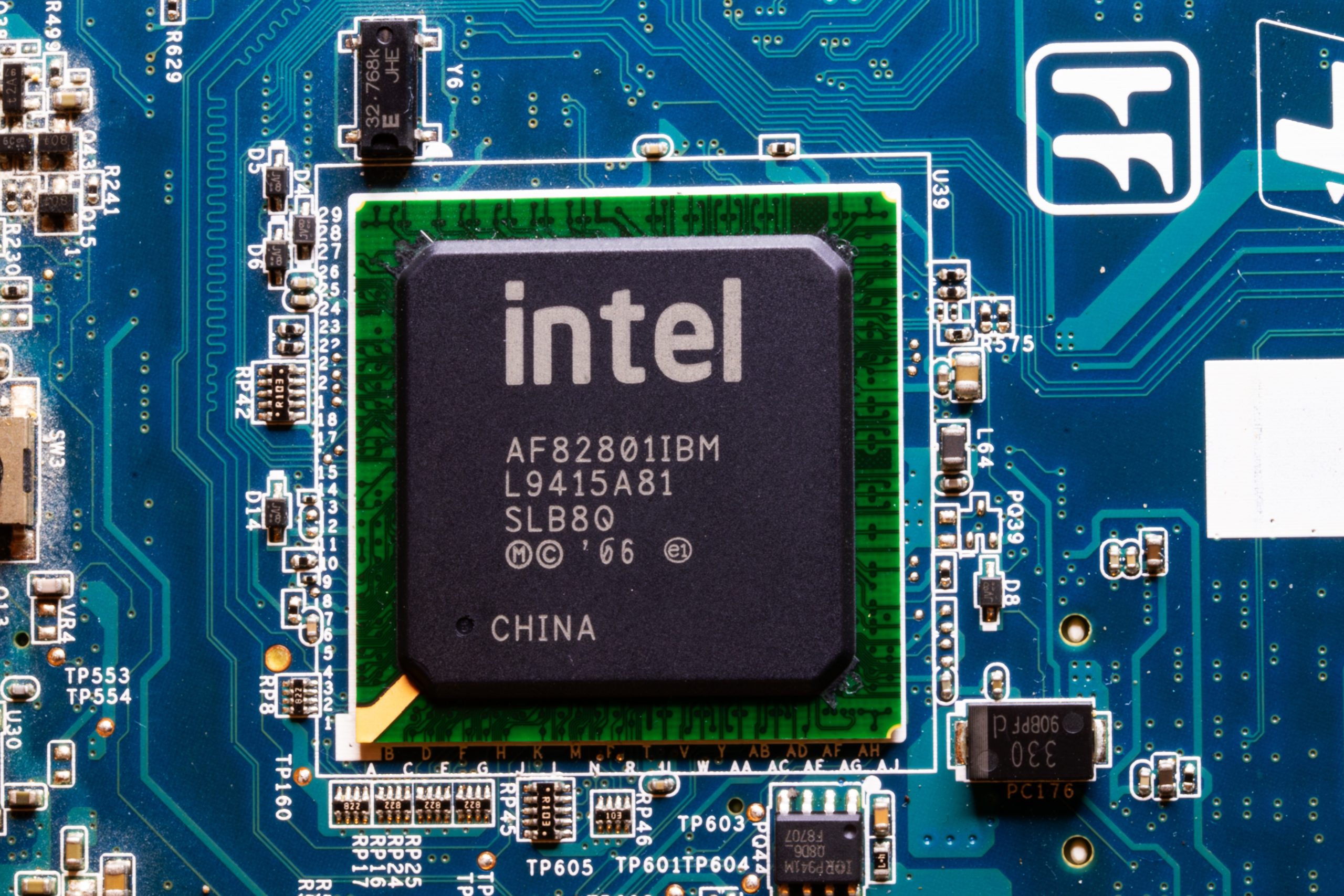
Alphabet Strengthens AI Infrastructure Strategy
Alphabet is taking another major step in its artificial intelligence expansion by reportedly committing significant future TPU production volume to Intel.
The agreement would see Intel manufacture more than 3 million Tensor Processing Units beginning in 2028, providing Alphabet with an additional source of advanced chip production as demand for AI computing capacity continues to accelerate.
The move highlights how access to semiconductor manufacturing has become one of the most important strategic considerations for technology companies competing in the AI race.
Reducing Dependence on a Single Supplier
For years, many leading technology firms have relied heavily on Taiwan Semiconductor Manufacturing Company (TSMC) for advanced chip production.
By allocating a substantial portion of future TPU manufacturing to Intel, Alphabet appears to be reducing its dependence on a single foundry partner and creating greater flexibility within its supply chain.
The strategy may help mitigate potential production bottlenecks, geopolitical risks, and capacity constraints that could emerge as AI infrastructure demand continues to grow.
Securing manufacturing capacity years in advance has become increasingly important as hyperscalers and AI developers compete for access to advanced semiconductor production.
AI Spending Continues to Accelerate
The reported Intel agreement comes amid Alphabet’s broader push to expand its artificial intelligence capabilities.
The company has already committed significant capital toward AI-related infrastructure, including data centers, custom chip development, cloud computing resources, and advanced AI model training.
Recent financing activities, including large equity and debt offerings, reflect the enormous scale of investment required to compete in the rapidly evolving AI sector.
These investments are intended to support growing demand across Google Cloud, enterprise AI services, consumer applications, and Alphabet’s Gemini AI platform.
Strategic Benefits for Alphabet
The Intel partnership could provide several long-term advantages.
First, diversified manufacturing relationships may improve supply security during periods of heightened demand.
Second, increased competition among suppliers could strengthen Alphabet’s negotiating position when securing future production capacity and pricing agreements.
Third, additional manufacturing options may allow Alphabet greater flexibility as it continues to develop increasingly sophisticated AI hardware.
As AI workloads become more complex and computationally intensive, securing reliable access to advanced chips is becoming as important as developing the software itself.
Potential Risks Remain
While diversification offers clear strategic benefits, it also introduces new challenges.
Manufacturing transitions can create execution risks, particularly when shifting production between different foundries with distinct technologies and processes.
There are also questions about how production costs, yields, and chip performance may compare across suppliers.
Some investors may view the move as evidence that AI infrastructure investments are becoming increasingly expensive, potentially delaying improvements in operating margins and profitability.
The long-term financial impact will depend on whether the additional costs associated with supply chain diversification are offset by greater reliability and strategic flexibility.
Implications for Intel
The reported agreement would represent a significant win for Intel as it continues efforts to expand its foundry business.
Securing a major AI customer such as Alphabet would strengthen Intel’s position within the global semiconductor manufacturing market and provide further validation of its advanced manufacturing capabilities.
The partnership could also help Intel attract additional large-scale customers seeking alternatives to traditional foundry providers.
For Intel, the deal represents another opportunity to participate directly in the growing demand for AI infrastructure beyond its traditional processor business.
Outlook
Alphabet’s reported commitment to Intel-manufactured TPUs demonstrates how AI competition is increasingly becoming a battle for computing capacity, manufacturing access, and supply chain control.
While the company’s AI strategy continues to focus on expanding Gemini, Google Cloud, and custom hardware capabilities, the ability to secure reliable chip production may prove equally important in determining long-term success.
For investors, the agreement reinforces that AI is no longer solely a software story. Capital allocation, semiconductor manufacturing partnerships, and infrastructure investments are becoming critical drivers of competitive advantage and future returns.
Comparison, examination, and analysis between investment houses
Leave your details, and an expert from our team will get back to you as soon as possible
* This article, in whole or in part, does not contain any promise of investment returns, nor does it constitute professional advice to make investments in any particular field.
To read more about the full disclaimer, click here
- omer bar
- •
- 8 Min Read
- •
- ago 2 hours
SKN | Apple Unveils iOS 27 With AI Upgrades and Expanded Child Safety Features
Apple Introduces iOS 27 at WWDC Apple unveiled iOS 27 during its Worldwide Developers Conference in Cupertino, California, highlighting a
- ago 2 hours
- •
- 8 Min Read

Apple Introduces iOS 27 at WWDC Apple unveiled iOS 27 during its Worldwide Developers Conference in Cupertino, California, highlighting a
- omer bar
- •
- 8 Min Read
- •
- ago 7 hours
SKN | Is the AI Hardware Rally Maturing? BofA Points to Uber and DoorDash as the Next Major Beneficiaries
The initial phase of the artificial intelligence investment cycle has been heavily defined by a concentrated institutional rush into semiconductors
- ago 7 hours
- •
- 8 Min Read

The initial phase of the artificial intelligence investment cycle has been heavily defined by a concentrated institutional rush into semiconductors

- Ronny Mor
- •
- 7 Min Read
- •
- ago 14 hours
SKN | Speculation Grows Over Potential SpaceX-Tesla Merger as Prediction Markets Turn Optimistic
Discussion surrounding a potential merger between SpaceX and Tesla has intensified as prediction markets increasingly price in the possibility of
- ago 14 hours
- •
- 7 Min Read

Discussion surrounding a potential merger between SpaceX and Tesla has intensified as prediction markets increasingly price in the possibility of
- omer bar
- •
- 7 Min Read
- •
- ago 17 hours
SKN | Can Domo Turn the Corner? Q1 Earnings May Reveal Whether Growth and AI Strategy Are Finally Aligning
Domo (NASDAQ: DOMO) is set to report its Q1 earnings, with investors closely watching whether the cloud-based business intelligence platform
- ago 17 hours
- •
- 7 Min Read

Domo (NASDAQ: DOMO) is set to report its Q1 earnings, with investors closely watching whether the cloud-based business intelligence platform




