





- omer bar
- •
- 6 Min Read
- •
- 14 seconds ago


Key Points
- American Airlines, United Airlines and Southwest Airlines are scaling back planned flights as higher jet fuel costs squeeze route profitability.
- The global average jet fuel price rose 6.1% in one week to $181.46 per barrel, adding significant pressure to airline operating costs.
- Strong travel demand is allowing airlines to raise fares, but the removal of lower-priced and less-profitable flights could further tighten capacity.
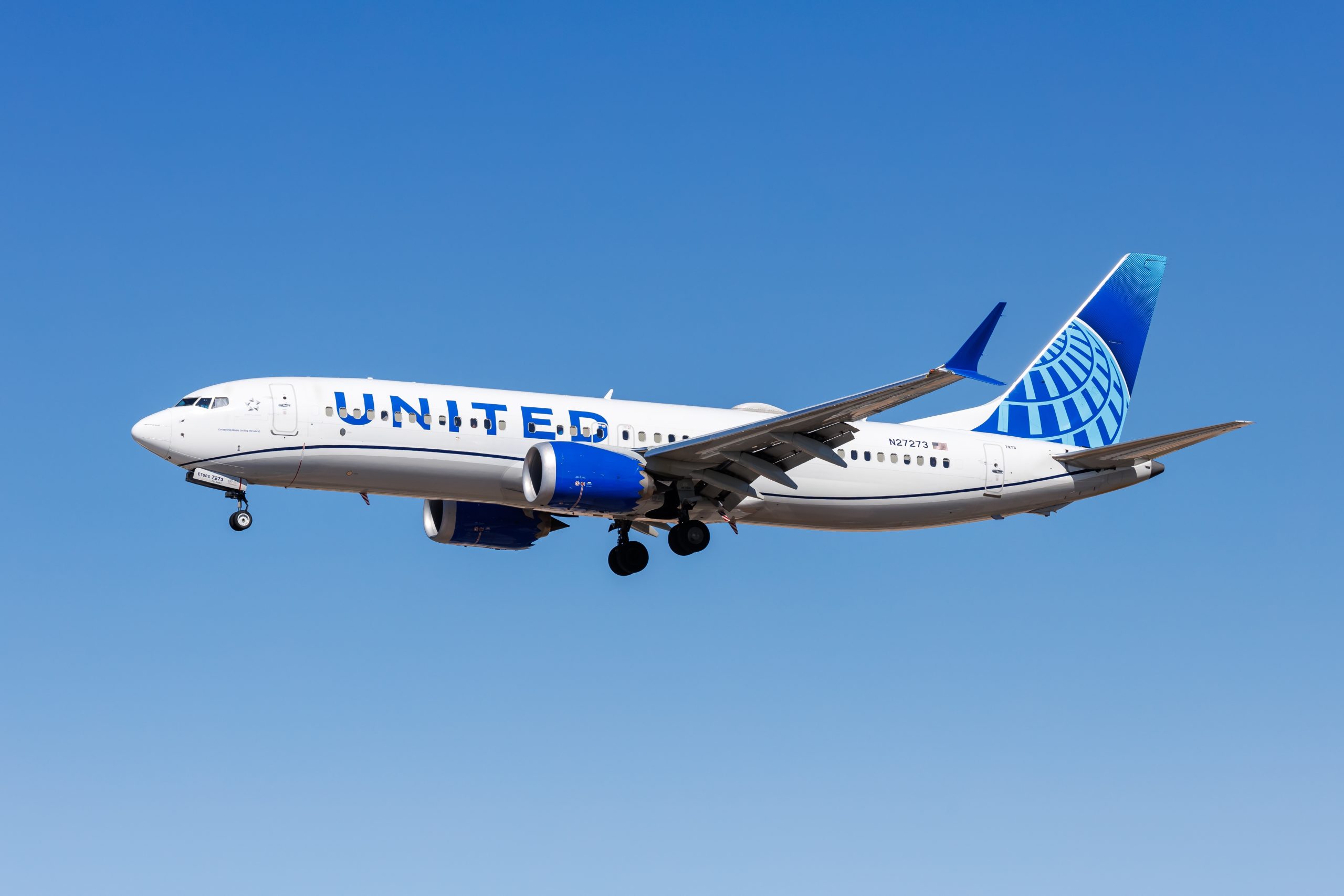
Airlines are cutting back on cheaper, less-profitable flights as another surge in jet fuel prices raises operating costs across the industry. The move highlights a broader shift in global air travel, where persistent energy inflation is pushing carriers to prioritize profitability and pricing power over rapid capacity growth even as passenger demand remains resilient.
Fuel Costs Are Reshaping Airline Capacity
Executives at American Airlines, United Airlines and Southwest Airlines have indicated that higher fuel prices are forcing them to reconsider flight schedules for the final months of 2026 and potentially into 2027. American Airlines estimates that the latest increase in fuel prices alone will add roughly $1 billion to its fourth-quarter fuel costs, while United Airlines has already removed some planned December flights and could make further adjustments if prices remain elevated.
Southwest has also reduced its planned capacity growth for 2026 and indicated that additional reductions could follow. Rather than eliminating large sections of their networks, airlines are increasingly focusing on routes where fares and passenger volumes do not justify the higher cost of operating each flight.
Cheap Fares Face Greater Pressure
The global average jet fuel price climbed 6.1% week over week to $181.46 per barrel last week, adding to a sharp increase in the cost base for carriers. Fuel is one of the largest variable expenses for airlines, meaning sustained increases can quickly affect margins, particularly on routes where airlines have limited ability to raise ticket prices.
That is changing the economics of lower-cost travel. Airlines can protect margins by raising fares, increasing ancillary fees and removing flights with weaker economics. United, American and Southwest have indicated that demand remains strong despite higher ticket prices and fees, giving carriers greater scope to recover some of the fuel increase through revenue rather than absorbing the entire shock.
Capacity Discipline Could Push Airfares Higher
The strategy creates an important trade-off for consumers and the wider travel market. Fewer flights mean less available capacity, particularly on routes that depend on low fares to attract passengers. With demand still holding up, airlines may be able to maintain higher average ticket prices as they selectively remove less-profitable services.
The capacity response also reflects a broader change in airline strategy. After years of emphasizing network expansion and passenger growth, carriers are increasingly focused on route economics, free cash flow and margins. For investors, the key issue is whether higher fares can continue to offset fuel inflation without eventually weakening demand.
Going forward, the direction of jet fuel and crude oil prices will remain central to airline earnings expectations. Any sustained decline in energy costs could give carriers room to restore capacity, while another prolonged increase could lead to deeper schedule reductions and higher airfares. Investors will also be watching booking trends, fuel-hedging positions, capacity plans for 2027 and whether consumers continue accepting higher prices without materially reducing travel demand.
Comparison, examination, and analysis between investment houses
Leave your details, and an expert from our team will get back to you as soon as possible
* This article, in whole or in part, does not contain any promise of investment returns, nor does it constitute professional advice to make investments in any particular field.
To read more about the full disclaimer, click here
- Ronny Mor
- •
- 7 Min Read
- •
- ago 3 hours
SKN | Oil Prices Ease as Markets Assess Middle East Supply Risks and Additional Saudi Output
Oil prices declined on Thursday as investors evaluated the potential impact of Middle East supply disruptions against reports that
- ago 3 hours
- •
- 7 Min Read

Oil prices declined on Thursday as investors evaluated the potential impact of Middle East supply disruptions against reports that

- Arik Arkadi Sluzki
- •
- 8 Min Read
- •
- ago 8 hours
SKN | Rising Oil Prices and Bond Yields Push Global Markets Toward Stagflation Risks
Global financial markets are moving closer to a potentially difficult combination of higher inflation and slower economic growth as
- ago 8 hours
- •
- 8 Min Read
Global financial markets are moving closer to a potentially difficult combination of higher inflation and slower economic growth as
- Ronny Mor
- •
- 6 Min Read
- •
- ago 1 day
SKN | Oil Prices Slide as Saudi Arabia Moves to Restore Key East-West Pipeline
Oil prices extended their sharpest decline in more than six weeks as expectations of a partial restart of Saudi Arabia’s
- ago 1 day
- •
- 6 Min Read

Oil prices extended their sharpest decline in more than six weeks as expectations of a partial restart of Saudi Arabia’s

- Lior mor
- •
- 7 Min Read
- •
- ago 1 day
SKN | Oil Prices Retreat as Saudi Arabia Offers Additional Crude Through Oman
Oil prices retreated on September 16 as indications of additional Saudi crude exports through Oman reduced some concerns over
- ago 1 day
- •
- 7 Min Read
Oil prices retreated on September 16 as indications of additional Saudi crude exports through Oman reduced some concerns over

