




- Lior mor
- •
- 6 Min Read
- •
- 20 seconds ago


Key Points
- The CBOE Volatility Index declined 33.66% over the reported five-day period, ending at 23.81.
- The latest reported session saw the VIX fall 11.16%, or 2.99 points, from its previous close of 26.80.
- Despite the substantial decline, the index remains above its 52-week low of 13.38, indicating that uncertainty in equity markets has not necessarily disappeared.
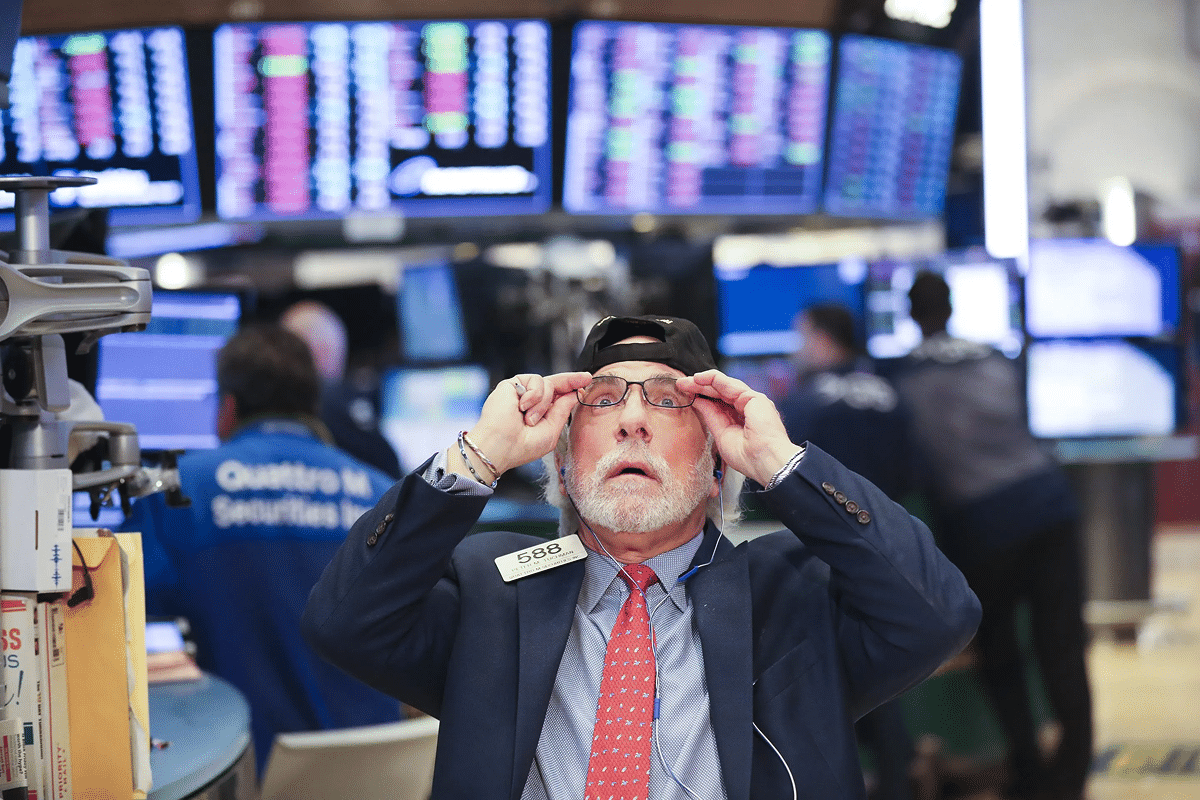
The CBOE Volatility Index, commonly known as the VIX, recorded a substantial decline over the reported five trading days, falling 33.66% to 23.81. The retreat in the market’s widely followed volatility gauge suggests a meaningful reduction in demand for short-term equity protection, although its latest reading indicates that investors may still be assigning a notable premium to uncertainty surrounding the outlook for U.S. equities.
VIX Records a Significant Weekly Decline
The VIX finished the latest reported session at 23.81, down 2.99 points, or 11.16%, from its previous close of 26.80. During the session, the index traded between 23.81 and 27.52, demonstrating that volatility expectations remained subject to considerable intraday movement despite the lower closing level.
The five-day decline of 33.66% represents a substantial retreat from the elevated readings recorded earlier in the period. The movement suggests that investors have reduced their immediate expectations of sharp market fluctuations. However, a falling VIX does not necessarily indicate that equity prices are advancing or that broader financial risks have been resolved. It primarily reflects changes in the market pricing of expected volatility derived from S&P 500 options.
Lower Volatility Expectations Offer Some Market Relief
The decline in the VIX can be interpreted as a sign of easing short-term market anxiety. When investors become less concerned about abrupt market movements, demand for protective options strategies may decrease, placing downward pressure on the index. This can accompany improved risk appetite and more stable trading conditions across U.S. equities.
Nevertheless, the available figures do not identify the specific catalysts behind the decline. Changes in Federal Reserve expectations, economic data, corporate earnings and geopolitical developments can all influence volatility pricing. For institutional investors, the speed of the decline is also relevant: a sharp reduction in implied volatility can reflect a rapid adjustment in positioning rather than a lasting improvement in underlying market conditions.
Annual Trading Range Keeps Risk Assessment in Focus
The reported 52-week range for the VIX extends from 13.38 to 40.03. At 23.81, the index is substantially below its annual high but remains above its lowest recorded level during the period. This positioning provides context for the recent improvement without suggesting that volatility has returned to historically subdued conditions.
Looking ahead, the sustainability of the decline will depend on whether economic and corporate developments continue to support investor confidence. Federal Reserve policy expectations, inflation data, employment conditions, geopolitical risks and technology-sector valuations will remain important factors influencing market sentiment. A renewed deterioration in these areas could quickly restore demand for portfolio protection. For Israeli institutional investors and global asset allocators, the latest VIX decline offers evidence of easing near-term anxiety, but maintaining attention to volatility exposure and downside risks remains important as market conditions evolve.
Comparison, examination, and analysis between investment houses
Leave your details, and an expert from our team will get back to you as soon as possible
* This article, in whole or in part, does not contain any promise of investment returns, nor does it constitute professional advice to make investments in any particular field.
To read more about the full disclaimer, click here
- Arik Arkadi Sluzki
- •
- 5 Min Read
- •
- ago 1 hour
U.S. Dollar Index Gains 0.20% on the Week to 104.01 as Dollar Strength Persists Near Annual High
The U.S. Dollar Index ended the reported trading period at 104.01, recording a weekly gain of 0.20% as the
- ago 1 hour
- •
- 5 Min Read

The U.S. Dollar Index ended the reported trading period at 104.01, recording a weekly gain of 0.20% as the

- sagi habasov
- •
- 5 Min Read
- •
- ago 2 hours
Dow Jones Gains 3.42% Over Five Trading Days to 50,774.94 as U.S. Equities Extend Recovery
The Dow Jones Industrial Average recorded a strong weekly advance, supported by a 1.18% gain in the latest trading
- ago 2 hours
- •
- 5 Min Read

The Dow Jones Industrial Average recorded a strong weekly advance, supported by a 1.18% gain in the latest trading

- orshu
- •
- 5 Min Read
- •
- ago 3 hours
S&P 500 Advances 1.70% Over Five Trading Days to 7,297.49 as U.S. Equities Extend Recovery
The S&P 500 continued its recovery, reaching 7,297.49 in the latest reported trading session and recording a 1.70% gain
- ago 3 hours
- •
- 5 Min Read

The S&P 500 continued its recovery, reaching 7,297.49 in the latest reported trading session and recording a 1.70% gain

- Ronny Mor
- •
- 6 Min Read
- •
- ago 3 hours
Russell 2000 Gains 3.59% Over Five Trading Days as U.S. Small-Cap Stocks Show Renewed Momentum
The Russell 2000 Index, a widely followed benchmark of U.S. small-cap equities, recorded a solid advance over the reported
- ago 3 hours
- •
- 6 Min Read

The Russell 2000 Index, a widely followed benchmark of U.S. small-cap equities, recorded a solid advance over the reported
