


- Lior mor
- •
- 9 Min Read
- •
- 2 hours ago
Key Points
- Oil prices dropped sharply (~5%) as diplomatic signals between the U.S. and Iran reduced the geopolitical risk premium.
- Markets are increasingly driven by sentiment and headlines, not just supply and demand fundamentals.
- Volatility remains elevated, with oil acting as a real-time indicator of geopolitical expectations and global market risk.
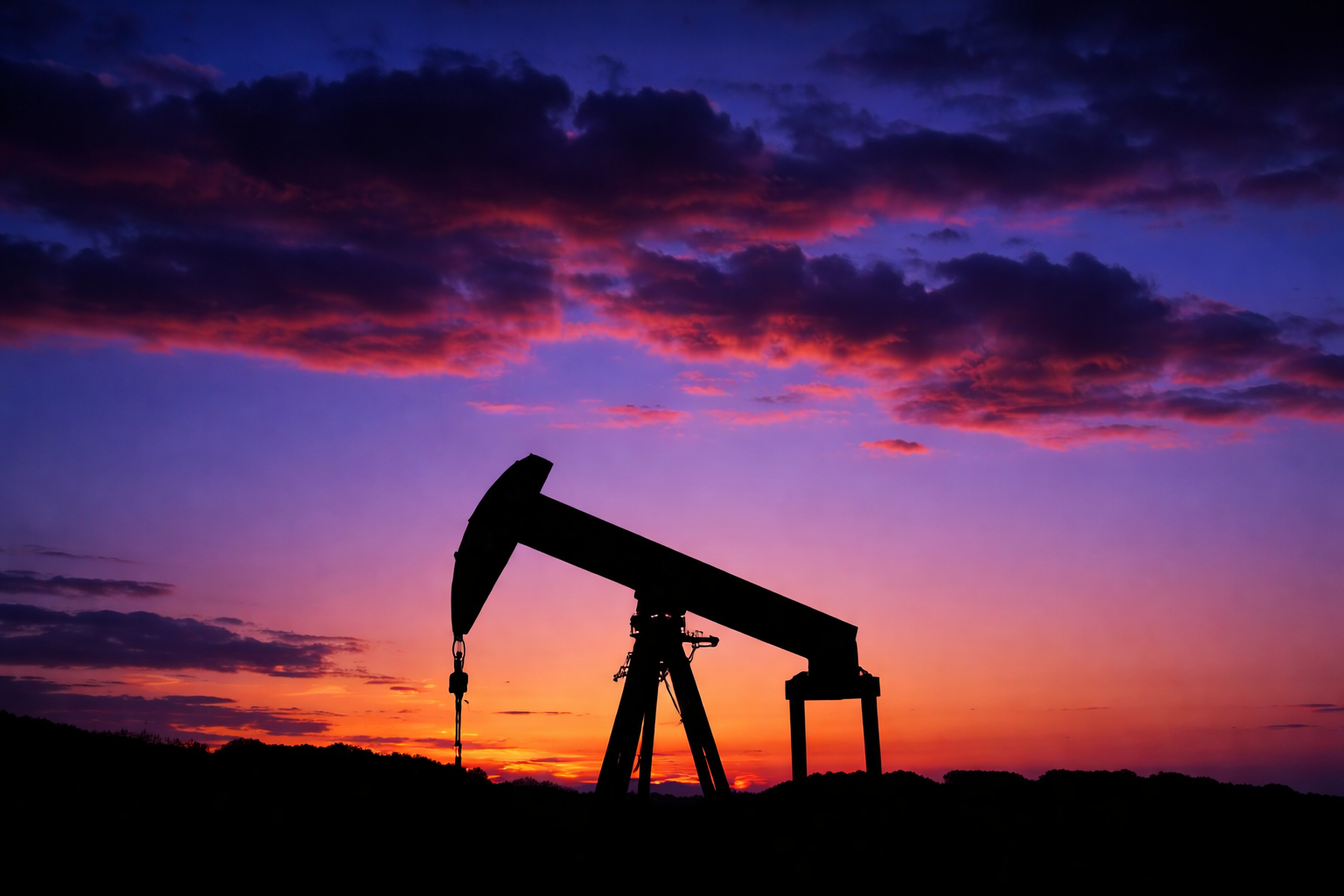
Brent crude prices fell sharply below $100 per barrel, dropping roughly 5% and reversing the previous session’s gains as markets reacted to renewed diplomatic signals between the United States and Iran. The move highlights how quickly oil markets can shift from pricing in geopolitical escalation to factoring in potential de-escalation.
This sudden reversal underscores a key reality: oil is no longer trading purely on supply and demand fundamentals. Instead, it is increasingly acting as a real-time indicator of geopolitical expectations. As headlines shift, so does pricing — often with significant speed and magnitude.
For investors, this signals a market driven as much by sentiment as by physical supply conditions.
Diplomatic Signals Trigger Rapid Repricing in Oil Markets
The latest decline was driven by reports that Washington is actively pursuing diplomatic channels to ease tensions with Iran. Indications of a potential short-term ceasefire and a structured proposal aimed at resolving the conflict have shifted near-term expectations.
For oil markets, diplomacy changes the risk equation.
The possibility of negotiations reduces the likelihood of prolonged supply disruptions, prompting traders to unwind the geopolitical risk premium that had been building into prices. This explains the sharp drop despite ongoing tensions in the region.
What makes this move notable is its speed. The same market that aggressively priced in conflict risk is now quickly adjusting to the possibility of de-escalation.
Strait of Hormuz Remains a Critical Risk Factor
Despite the pullback in oil prices, underlying risks remain firmly in place. The Strait of Hormuz continues to be one of the most strategically important oil transit routes in the world, handling a significant share of global crude and liquefied natural gas flows.
Earlier in the week, oil surged after signals that shipping conditions in the region could remain restricted. Concerns about potential disruptions have not disappeared, and any escalation affecting this route could immediately tighten global supply.
In addition, the involvement of key regional players such as Saudi Arabia and the United Arab Emirates adds another layer of uncertainty. Their role in maintaining or stabilizing energy flows will be closely watched by markets.
This creates a delicate balance: optimism around diplomacy versus the persistent threat of supply disruption.
Volatility Highlights a Market Driven by Expectations
The recent swings in oil prices — including a rapid rise followed by a sharp decline — reflect a market struggling to price uncertainty rather than fundamentals.
For investors, this environment presents challenges. While volatility can create short-term opportunities, it also increases the risk of sudden reversals driven by unexpected geopolitical developments.
Oil’s behavior is also influencing broader financial markets. Falling prices may provide temporary relief for inflation, easing pressure on consumers and businesses. However, continued volatility complicates the outlook for central banks, which must navigate between stabilizing prices and supporting economic growth.
This dynamic reinforces oil’s role as a central driver of global market sentiment.
Markets Shift From War Premium to Diplomacy Risk
One of the most important developments is the shift in how risk is being priced.
Previously, oil markets were dominated by a “war premium,” reflecting fears of escalating conflict and supply disruption. Now, that premium is being partially replaced by what can be described as “diplomacy risk” — the uncertainty surrounding whether negotiations will succeed or fail.
This shift does not eliminate volatility. Instead, it changes its source.
If diplomatic efforts gain traction, oil prices could stabilize or move lower. However, any breakdown in talks or renewed escalation could quickly reintroduce a significant risk premium, pushing prices higher again.
Outlook: Uncertainty Continues to Drive Oil Prices
Looking ahead, the direction of oil prices will depend heavily on geopolitical developments. Markets are likely to remain highly sensitive to headlines related to negotiations, military activity, and energy infrastructure.
In the short term, oil may trade within a wide range as investors weigh competing scenarios. Over the longer term, sustained de-escalation would be required to fully remove the geopolitical premium currently embedded in prices.
Until then, volatility is expected to remain elevated.
The shift in oil pricing is also influencing positioning across financial markets. Traders are adjusting exposure not only in energy but also in equities, currencies, and commodities tied to global growth. Lower oil prices may support risk assets in the short term, but persistent volatility continues to limit confidence. As a result, investors are likely to remain cautious, favoring flexibility and short-term positioning over long-term commitments.
The Bottom Line
Oil’s sharp decline does not signal stability — it signals a shift in risk perception.
Prices are falling as diplomacy gains attention.
Markets remain volatile as uncertainty persists.
The balance between conflict and negotiation will continue to shape oil prices and global market sentiment in the weeks ahead.
Comparison, examination, and analysis between investment houses
Leave your details, and an expert from our team will get back to you as soon as possible
* This article, in whole or in part, does not contain any promise of investment returns, nor does it constitute professional advice to make investments in any particular field.
To read more about the full disclaimer, click here
- sagi habasov
- •
- 9 Min Read
- •
- ago 6 hours
SKN | Strait of Hormuz Crisis: Why Western Powers May Face a Harder Test Than the Red Sea Failure
The escalating crisis around the Strait of Hormuz is rapidly becoming one of the most consequential geopolitical risks for global
- ago 6 hours
- •
- 9 Min Read
The escalating crisis around the Strait of Hormuz is rapidly becoming one of the most consequential geopolitical risks for global

- Ronny Mor
- •
- 7 Min Read
- •
- ago 2 days
SKN | Oil Prices Tumble as Trump Signals Possible De-Escalation With Iran
Oil markets reversed sharply as easing geopolitical tensions triggered a wave of selling, with crude prices falling after signals of
- ago 2 days
- •
- 7 Min Read

Oil markets reversed sharply as easing geopolitical tensions triggered a wave of selling, with crude prices falling after signals of
- Ronny Mor
- •
- 6 Min Read
- •
- ago 2 days
SKN | Will Oil Prices Surge Further as Trump’s Hormuz Ultimatum Raises Global Supply Risks?
Oil markets are entering a critical phase as geopolitical tensions escalate sharply, with prices hovering near multi-year highs. Brent crude
- ago 2 days
- •
- 6 Min Read
Oil markets are entering a critical phase as geopolitical tensions escalate sharply, with prices hovering near multi-year highs. Brent crude

- omer bar
- •
- 9 Min Read
- •
- ago 3 days
SKN | How Oil’s Surge Is Reshaping Global Industries and Threatening Economic Growth
Energy Shock Ripples Across the Global Economy The sharp rise in oil prices over the past three weeks is no
- ago 3 days
- •
- 9 Min Read
Energy Shock Ripples Across the Global Economy The sharp rise in oil prices over the past three weeks is no

