


- Lior mor
- •
- 7 Min Read
- •
- 26 minutes ago
Key Points
- Officials in the United States signal a potential diplomatic opening with Iran as the economic and strategic costs of conflict continue to rise.
- Global markets are closely watching developments due to potential implications for energy prices, trade routes, and Middle East stability.
- Investors remain sensitive to geopolitical risk shifts, particularly in oil markets, defense spending, and inflation expectations.
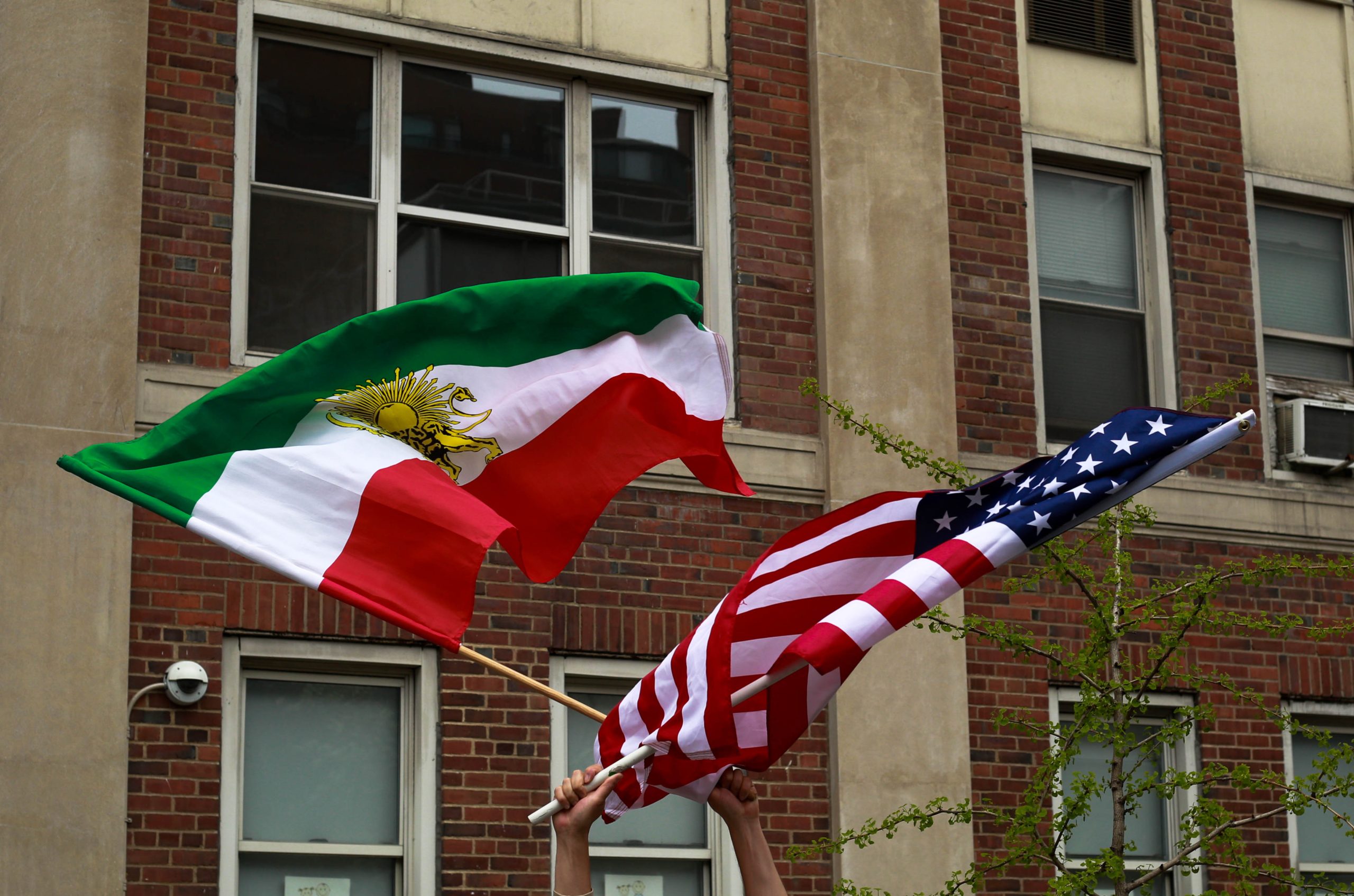
Geopolitical tensions between the United States and Iran may be entering a new phase as officials signal the possibility of diplomacy following months of rising conflict costs. The shift in tone comes at a time when global markets remain highly sensitive to developments in the Middle East, particularly because the region plays a critical role in global energy supply chains.
For investors and policymakers, evolving diplomatic signals highlight the close relationship between geopolitics and financial markets. Energy prices, inflation expectations, and defense spending trends are all influenced by the trajectory of the relationship between Washington and Tehran.
Mounting Economic and Strategic Costs
The financial burden of prolonged military tension in the Middle East has grown steadily, affecting both direct defense expenditures and broader economic stability. Military deployments, regional security operations, and disruptions to shipping routes have added to the cost of maintaining a sustained strategic posture.
Beyond immediate defense spending, geopolitical uncertainty can ripple through the global economy. Insurance costs for maritime shipping, energy transportation risks, and disruptions to trade corridors all carry measurable economic impacts. For countries dependent on stable oil flows through the Persian Gulf, the stakes remain particularly high.
Prolonged tensions can also increase volatility in global commodities markets. Crude oil prices have historically reacted sharply to shifts in the perceived probability of conflict involving Iran, one of the region’s most influential energy producers.
Market Sensitivity to Diplomatic Signals
Financial markets often respond quickly to any indication of diplomatic progress or escalation between Washington and Tehran. Oil traders, currency markets, and global equity markets frequently adjust to changes in geopolitical risk perceptions.
The possibility of renewed diplomacy can reduce the geopolitical risk premium embedded in energy prices. When investors believe the likelihood of conflict is declining, oil markets may experience downward price pressure as fears of supply disruptions ease.
For global investors, this dynamic can also influence broader asset allocation decisions. Energy equities, sovereign bonds, and inflation-linked securities may react to changes in geopolitical outlook. Defense-sector companies can also see valuation adjustments depending on expectations around military spending.
Strategic Calculations in Washington and Tehran
The potential reopening of diplomatic channels reflects strategic calculations on both sides. For Washington, reducing tensions could help stabilize global energy markets and limit the economic burden associated with prolonged military engagement.
For Tehran, diplomatic engagement could open the door to easing international pressure and improving economic prospects. Iran’s economy has faced significant constraints due to sanctions and limited access to global financial systems.
However, the path to meaningful diplomatic progress remains complex. Negotiations would likely involve multiple stakeholders and sensitive geopolitical considerations, including regional alliances, nuclear policy issues, and broader security concerns.
What Markets Will Watch in the Coming Weeks
Investors will closely monitor whether diplomatic signals translate into formal negotiations or concrete policy changes. Statements from Washington and Tehran, as well as responses from regional partners and global powers, will shape expectations about the future direction of relations.
Energy markets are expected to remain particularly sensitive to these developments. Signals of easing tensions could reduce geopolitical risk premiums embedded in oil prices, while renewed escalation could quickly reverse that trend.
At the same time, global investors are watching the broader macroeconomic environment, including inflation trends, central bank policy decisions, and global energy demand forecasts. The intersection of geopolitics and economic fundamentals will continue to shape market sentiment as policymakers evaluate the risks and opportunities associated with diplomacy.
Comparison, examination, and analysis between investment houses
Leave your details, and an expert from our team will get back to you as soon as possible
* This article, in whole or in part, does not contain any promise of investment returns, nor does it constitute professional advice to make investments in any particular field.
To read more about the full disclaimer, click here
- Lior mor
- •
- 6 Min Read
- •
- ago 2 days
SKN | Trump and Iran Exchange War Threats as Strait of Hormuz Tensions Escalate
Tensions between the United States and Iran intensified this week as both parties issued explicit war warnings concerning the Strait
- ago 2 days
- •
- 6 Min Read
Tensions between the United States and Iran intensified this week as both parties issued explicit war warnings concerning the Strait

- sagi habasov
- •
- 7 Min Read
- •
- ago 2 days
SKN | Could Deploying ICE Agents to Airports Escalate the U.S. Political Standoff?
The U.S. political deadlock over Department of Homeland Security funding has taken a dramatic turn, as President Donald Trump
- ago 2 days
- •
- 7 Min Read

The U.S. political deadlock over Department of Homeland Security funding has taken a dramatic turn, as President Donald Trump
- Lior mor
- •
- 8 Min Read
- •
- ago 1 week
SKN | Oil Prices Jump Above $100 as Middle East Conflict Escalates, Raising Global Supply Fears
Global markets are shifting rapidly as the escalating Middle East conflict pushes oil prices above $100 per barrel and raises
- ago 1 week
- •
- 8 Min Read
Global markets are shifting rapidly as the escalating Middle East conflict pushes oil prices above $100 per barrel and raises
- sagi habasov
- •
- 6 Min Read
- •
- ago 1 week
SKN | Trump’s Call for Chinese Warships Stirs Tensions Between Washington and Beijing
Former President Donald Trump’s recent remarks advocating for the deployment of Chinese warships have intensified scrutiny of U.S.-China relations. The
- ago 1 week
- •
- 6 Min Read
Former President Donald Trump’s recent remarks advocating for the deployment of Chinese warships have intensified scrutiny of U.S.-China relations. The

