


- omer bar
- •
- 7 Min Read
- •
- 2 hours ago
Key Points
- Oil prices declined following reports that the United States is exploring diplomatic efforts aimed at easing tensions with Iran.
- Energy markets reacted to the possibility that reduced geopolitical risk could lower supply disruption concerns in the Middle East.
- Investors are closely monitoring diplomatic developments alongside global demand signals and producer policy decisions.
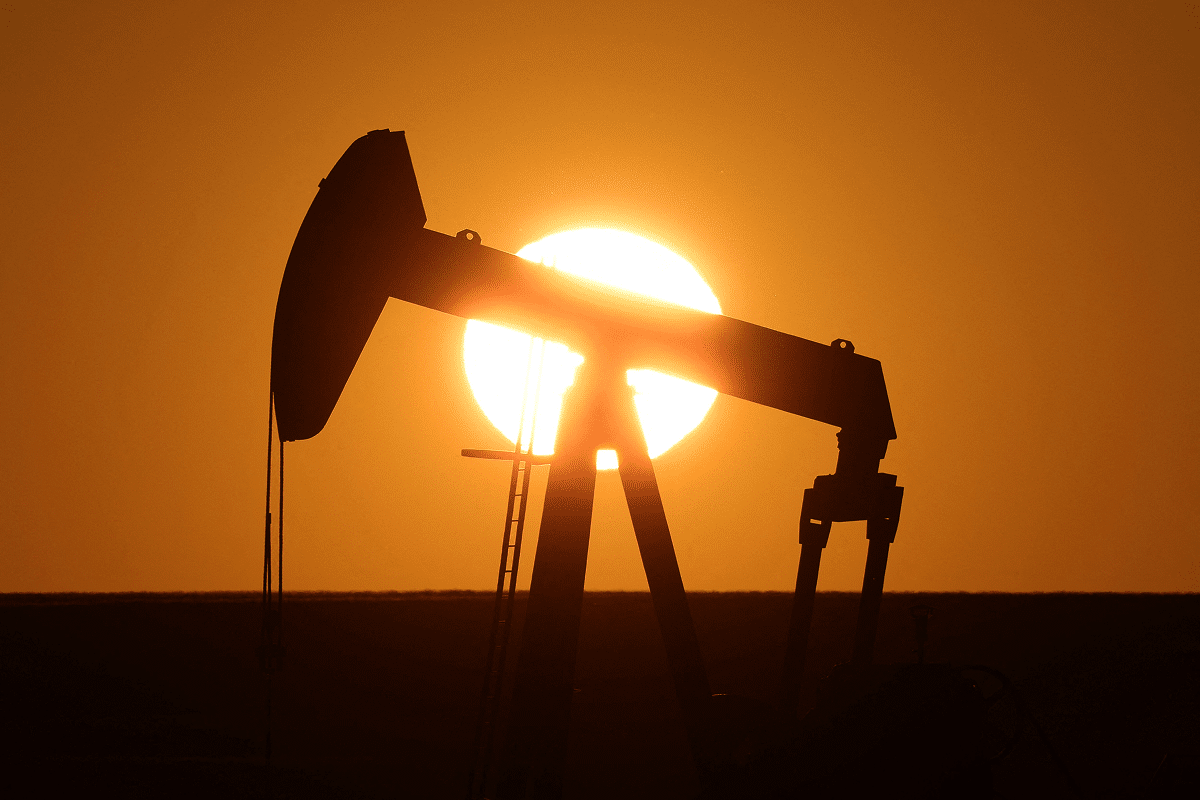
Global oil prices moved lower after reports indicated that Washington may be pursuing renewed diplomatic channels to ease tensions with Tehran. The prospect of a diplomatic push aimed at ending hostilities between the United States and Iran has reduced immediate concerns about supply disruptions in one of the world’s most critical oil-producing regions.
The reaction highlights how sensitive energy markets remain to geopolitical signals. Even tentative indications of de-escalation in the Middle East can quickly shift trader expectations, particularly at a time when global oil supply dynamics are already being shaped by production decisions, economic growth forecasts, and strategic reserves management.
Diplomatic Developments Shift Market Sentiment
Energy traders closely monitor political developments involving the United States and Iran because of their potential to influence global oil supply. Iran holds some of the world’s largest proven oil reserves and has historically been a major exporter, although sanctions and geopolitical tensions have constrained its ability to fully access international markets.
Reports suggesting that U.S. officials may be exploring diplomatic pathways to reduce or end the conflict with Iran immediately altered market sentiment. Reduced geopolitical risk typically lowers the probability of supply shocks in the Persian Gulf, a region responsible for roughly one-third of global seaborne crude oil shipments.
As a result, traders recalibrated their expectations for near-term supply disruptions. When geopolitical tensions appear likely to ease, risk premiums embedded in oil prices often decline, leading to short-term price adjustments in global benchmarks.
Energy Markets Balance Geopolitics and Fundamentals
While geopolitical developments can drive immediate volatility in oil markets, longer-term price movements are also shaped by fundamental supply and demand dynamics. Global demand forecasts remain closely tied to economic growth expectations in major economies including the United States, China, and the European Union.
On the supply side, production strategies from major producers and alliances such as OPEC and its partners continue to influence the overall balance of the market. Production cuts, export policies, and inventory levels all contribute to determining whether oil markets remain tight or move toward surplus conditions.
The potential normalization of relations involving Iran could eventually have broader implications for supply if sanctions policies were to change in the future. Although such developments remain uncertain and would likely require complex negotiations, even the possibility of additional Iranian crude entering global markets can influence investor expectations.
Implications for Global Investors and Energy Markets
For global investors, oil price movements carry implications across multiple asset classes. Energy equities, inflation expectations, currency markets, and sovereign bond yields can all respond to changes in crude prices.
Lower oil prices, if sustained, may help ease inflationary pressures in energy-importing economies while also affecting fiscal revenues in countries heavily dependent on hydrocarbon exports. For Israel and other energy-importing nations, declining oil prices can influence transportation costs, industrial input expenses, and broader economic conditions.
Energy traders and institutional investors therefore continue to track geopolitical developments alongside macroeconomic indicators and policy signals from central banks and governments.
What Markets Will Be Watching Next
Looking ahead, the trajectory of oil prices will likely depend on whether diplomatic signals translate into tangible negotiations or agreements. Market participants will watch closely for official statements from Washington and Tehran, as well as reactions from regional actors and global energy producers.
At the same time, broader economic factors remain critical. Global demand trends, OPEC production decisions, inventory data, and shipping flows through strategic waterways such as the Strait of Hormuz will all shape the outlook for crude markets. Any renewed escalation, policy shifts, or supply disruptions could quickly reverse the recent decline in prices, underscoring the continued sensitivity of energy markets to geopolitical developments.
Comparison, examination, and analysis between investment houses
Leave your details, and an expert from our team will get back to you as soon as possible
* This article, in whole or in part, does not contain any promise of investment returns, nor does it constitute professional advice to make investments in any particular field.
To read more about the full disclaimer, click here
- omer bar
- •
- 6 Min Read
- •
- ago 55 seconds
SKN | Could the Oil Crisis Be a Boost for China’s Struggling EV Giants?
The world is witnessing one of the most severe oil crises in modern history, a situation that paradoxically comes as
- ago 55 seconds
- •
- 6 Min Read

The world is witnessing one of the most severe oil crises in modern history, a situation that paradoxically comes as

- orshu
- •
- 6 Min Read
- •
- ago 8 hours
SKN | Rio Tinto Targets Mid-2030s Launch for Resolution Copper—A Strategic Bet on Future Supply?
Rio Tinto has indicated that its Resolution Copper project in Arizona is expected to begin production by the mid-2030s,
- ago 8 hours
- •
- 6 Min Read
Rio Tinto has indicated that its Resolution Copper project in Arizona is expected to begin production by the mid-2030s,
- orshu
- •
- 6 Min Read
- •
- ago 9 hours
SKN | US Oil Fund Surges as Energy Markets Strengthen and Demand Outlook Improves
The United States Oil Fund (USO) posted a strong gain on March 24, reflecting renewed strength in global oil
- ago 9 hours
- •
- 6 Min Read
The United States Oil Fund (USO) posted a strong gain on March 24, reflecting renewed strength in global oil

- sagi habasov
- •
- 6 Min Read
- •
- ago 22 hours
SKN | Oil Surges as Middle East Tensions Raise Fears of Escalating Conflict
Crude oil markets rebounded as investors responded to renewed concerns over potential escalation in the Middle East. Rising geopolitical risk
- ago 22 hours
- •
- 6 Min Read

Crude oil markets rebounded as investors responded to renewed concerns over potential escalation in the Middle East. Rising geopolitical risk

