





- sagi habasov
- •
- 6 Min Read
- •
- 3 months ago
Key Points
- Moving capital is not about location — it’s about control.
- Most investors ask the wrong questions too late.
- The right structure answers problems before they appear. ⸻

The Wrong Way to Think About “Moving Money”
Most people think moving capital abroad is about opportunity.
Better returns. Better investments. Better markets.
That’s the wrong lens.
Serious investors move capital for one reason:
to gain control over risk they cannot control locally.
⸻
Question #1: What Happens If My Local System Changes?
This is the question almost no one asks — until it’s too late.
Tax changes. Regulation shifts. Capital controls.
If your entire portfolio is tied to one system, you are fully exposed.
Smart investors assume change will happen.
They position accordingly.
⸻
Question #2: Is My Capital Structurally Protected — Or Just Invested?
Being invested is not the same as being protected.
You can have a diversified portfolio and still be exposed to systemic risk.
Protection starts at the jurisdiction level, not the asset level.
⸻
Question #3: Can I Stay Invested During Stress?
This is one of the most important questions.
When markets drop, can you:
• Stay invested
• Rebalance
• Take advantage of opportunities
Or are you forced to react?
The answer depends on structure — not skill.
⸻
Question #4: Do I Actually Control My Capital?
Control is often misunderstood.
It’s not just about access. It’s about:
• Legal clarity
• Regulatory consistency
• Institutional reliability
If those are weak, control is an illusion.
⸻
Question #5: What System Is My Wealth Dependent On?
Every portfolio is tied to a system.
The question is whether that system is:
• Stable or reactive
• Predictable or political
• Long-term or short-term driven
Smart investors choose their system deliberately.
⸻
Question #6: Am I Building Wealth — Or Just Managing Exposure?
There is a difference.
Managing exposure is reactive.
Building wealth is strategic.
When capital is placed inside the right framework, decisions become proactive instead of defensive.
⸻
The Shift From Opportunity to Structure
At a certain level, investors stop chasing returns and start optimizing structure.
They understand that:
• Returns are uncertain
• Systems are not
This is why sophisticated capital moves quietly.
⸻
Where Swiss Banking Fits In
Swiss banking does not offer better trades.
It offers a better environment for capital.
A system where:
• Rules are stable
• Governance is conservative
• Capital is treated seriously
This changes how investors behave — and how capital performs over time.
⸻
Bottom Line
Moving capital is not about leaving one place.
It’s about choosing a system that works for you —
not against you.
Comparison, examination, and analysis between investment houses
Leave your details, and an expert from our team will get back to you as soon as possible
* This article, in whole or in part, does not contain any promise of investment returns, nor does it constitute professional advice to make investments in any particular field.
To read more about the full disclaimer, click here
- omer bar
- •
- 9 Min Read
- •
- ago 5 hours
SKN | The Secular Tortoise Framework: Why Ken Fisher’s AI Thesis Dampens Wall Street’s Speculative Noise
Systemic realignments across global corporate operations and localized capital allocation tracks are processing high volumes of behavioral noise and psychological
- ago 5 hours
- •
- 9 Min Read
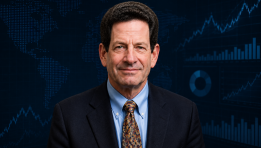
Systemic realignments across global corporate operations and localized capital allocation tracks are processing high volumes of behavioral noise and psychological

- Lior mor
- •
- 6 Min Read
- •
- ago 2 months
SKN | Investing Isn’t About Guessing Right — It’s About Knowing What Happens When You’re Wrong
There's a meaningful difference between an investor who profits because they guessed correctly — and one who profits because they
- ago 2 months
- •
- 6 Min Read

There's a meaningful difference between an investor who profits because they guessed correctly — and one who profits because they
- Ronny Mor
- •
- 6 Min Read
- •
- ago 3 months
SKN | 5 Wealth Moves People Make Right After Crossing $1 Million — And What They Get Wrong
The Moment Everything Shifts Crossing the $1 million mark feels like an arrival point. In reality, it’s a transition. Until
- ago 3 months
- •
- 6 Min Read
The Moment Everything Shifts Crossing the $1 million mark feels like an arrival point. In reality, it’s a transition. Until

- sagi habasov
- •
- 4 Min Read
- •
- ago 5 months
SKN | JPMorgan: Bitcoin Now More Attractive Than Gold Long Term
Investment bank JPMorgan suggests a significant shift in Bitcoin's status as a long-term investment asset compared to gold. According to
- ago 5 months
- •
- 4 Min Read
Investment bank JPMorgan suggests a significant shift in Bitcoin's status as a long-term investment asset compared to gold. According to


