


- orshu
- •
- 6 Min Read
- •
- 29 minutes ago
Key Points
- US Dollar Index (DXY) rose by 0.57%, signaling renewed strength in the greenback.
- Intraday momentum improved, with the index climbing steadily toward session highs.
- Macro expectations and rate outlook continue to drive currency positioning and capital flows.
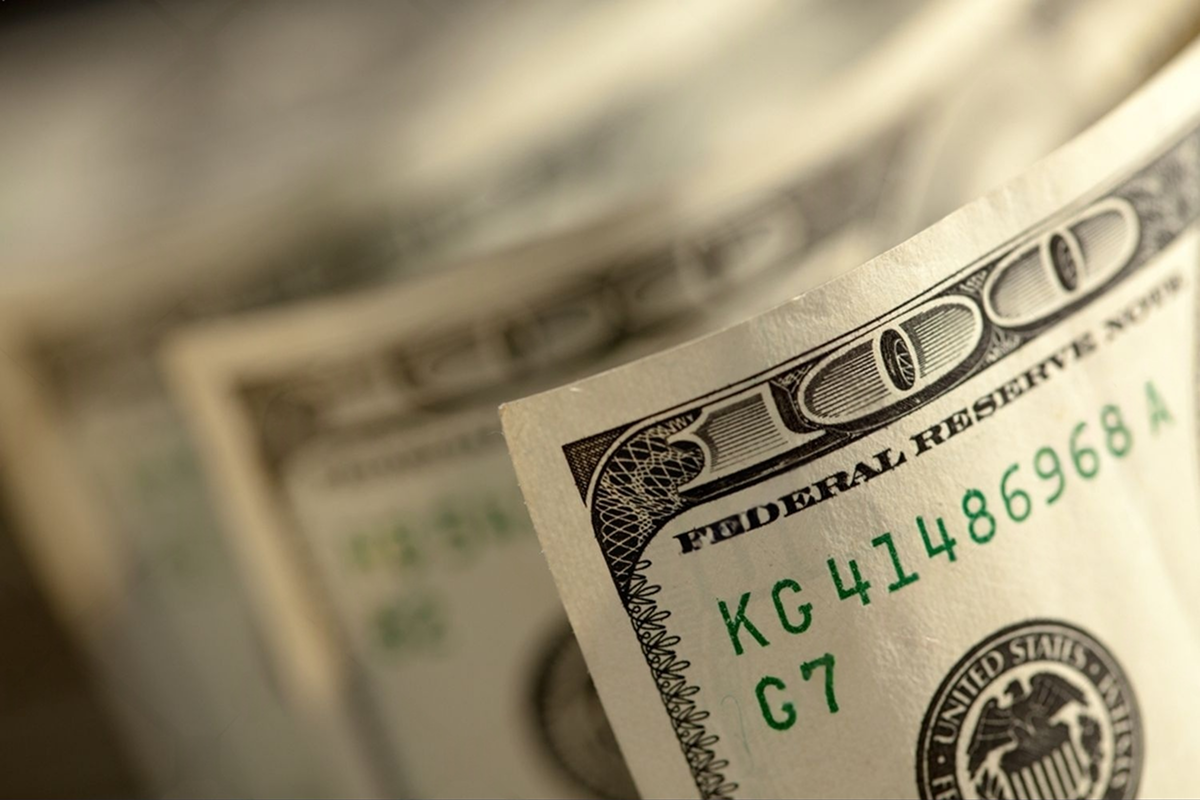
The US Dollar Index (DXY) advanced during trading on March 24, reflecting a shift in market sentiment as investors reassessed interest rate expectations and broader macroeconomic conditions. The move higher suggests renewed demand for the dollar amid evolving global financial dynamics.
Dollar Gains Momentum Through the Session
The US Dollar Index climbed by 0.57% to reach 99.52, marking a steady upward trajectory throughout the trading session. After opening at 99.14, the index traded within a relatively tight range before pushing higher in the latter half of the day, approaching its intraday peak.
This upward movement reflects consistent buying interest, with the dollar benefiting from a combination of defensive positioning and shifting expectations حول monetary policy. The ability to sustain gains throughout the session suggests underlying strength rather than short-term volatility-driven movement.
Compared to its previous close of 98.95, the dollar’s advance indicates a continuation of its recent recovery trend, although it remains within its broader 52-week range of 95.55 to 104.68. This positioning highlights that while the dollar is strengthening, it has not yet reached extreme levels.
Interest Rate Expectations Remain a Key Driver
The dollar’s performance is closely tied to expectations حول Federal Reserve policy. A stronger dollar often reflects market anticipation of higher-for-longer interest rates or a more cautious approach to monetary easing.
Recent macroeconomic signals, including inflation trends and labor market resilience, have contributed to a reassessment of the rate path. As a result, investors are adjusting their currency exposure, favoring the dollar as a yield-supported asset.
Higher interest rates increase the attractiveness of dollar-denominated assets, driving capital inflows and supporting the currency. This dynamic remains central to the dollar’s current strength and is likely to continue influencing its trajectory in the near term.
Global Implications for Equities and Risk Assets
A stronger US dollar has important implications across global markets. For equities, particularly multinational companies, dollar strength can weigh on overseas earnings when translated back into US currency. This may create headwinds for certain sectors, especially technology and export-driven industries.
At the same time, dollar strength can tighten global financial conditions, particularly in emerging markets where debt is often denominated in US dollars. This can lead to capital outflows from riskier assets and increased volatility in global markets.
However, the dollar’s strength can also reflect its role as a safe-haven asset, attracting demand during periods of uncertainty. The current move suggests a balance between defensive positioning and macro-driven capital allocation rather than outright risk aversion.
Looking ahead, the trajectory of the US Dollar Index will depend on incoming economic data, particularly inflation and employment figures, as well as signals from the Federal Reserve بشأن future policy direction. Investors will also monitor global developments, including geopolitical risks and relative economic performance across major regions. While the dollar’s recent strength underscores its resilience, potential shifts in rate expectations or improvements in global risk sentiment could alter its path. As such, currency markets remain highly sensitive to both macroeconomic trends and investor positioning in the current environment.
Comparison, examination, and analysis between investment houses
Leave your details, and an expert from our team will get back to you as soon as possible
* This article, in whole or in part, does not contain any promise of investment returns, nor does it constitute professional advice to make investments in any particular field.
To read more about the full disclaimer, click here
- Ronny Mor
- •
- 7 Min Read
- •
- ago 4 days
SKN | Why Is Colombia Unwinding Its $9 Billion Swiss Franc Swap — and What Does It Signal for Debt Strategy?
Colombia is moving to unwind its controversial $9.3 billion Swiss franc-linked swap ahead of its upcoming presidential election, marking a
- ago 4 days
- •
- 7 Min Read
Colombia is moving to unwind its controversial $9.3 billion Swiss franc-linked swap ahead of its upcoming presidential election, marking a

- orshu
- •
- 6 Min Read
- •
- ago 6 days
SKN | U.S. Dollar Index Climbs Above 100 as Momentum Builds in Currency Markets
The U.S. Dollar Index (DXY) strengthened during the March 18 trading session, rising 0.53% to 100.10 and breaking above
- ago 6 days
- •
- 6 Min Read

The U.S. Dollar Index (DXY) strengthened during the March 18 trading session, rising 0.53% to 100.10 and breaking above

- Lior mor
- •
- 7 Min Read
- •
- ago 1 week
SKN | Why the Japanese Yen Is Losing Its Safe-Haven Status During Global Crises
For decades, the Japanese yen was considered one of the world’s most reliable safe-haven currencies, typically strengthening during periods of
- ago 1 week
- •
- 7 Min Read

For decades, the Japanese yen was considered one of the world’s most reliable safe-haven currencies, typically strengthening during periods of

- sagi habasov
- •
- 6 Min Read
- •
- ago 2 weeks
SKN | Why Japan May Hesitate to Intervene as the Yen Weakens Toward 160 per Dollar
Japan is facing renewed pressure on its currency as the yen drifts closer to the psychologically important 160-per-dollar level, yet
- ago 2 weeks
- •
- 6 Min Read

Japan is facing renewed pressure on its currency as the yen drifts closer to the psychologically important 160-per-dollar level, yet

