


- orshu
- •
- 5 Min Read
- •
- 2 hours ago
Key Points
- Iran has begun charging select commercial vessels transit fees for passage through the strategic Strait of Hormuz.
- The move underscores Tehran’s growing leverage over global oil shipping routes and energy supply chains.
- Market watchers are evaluating potential impacts on crude prices, shipping costs, and regional trade stability.
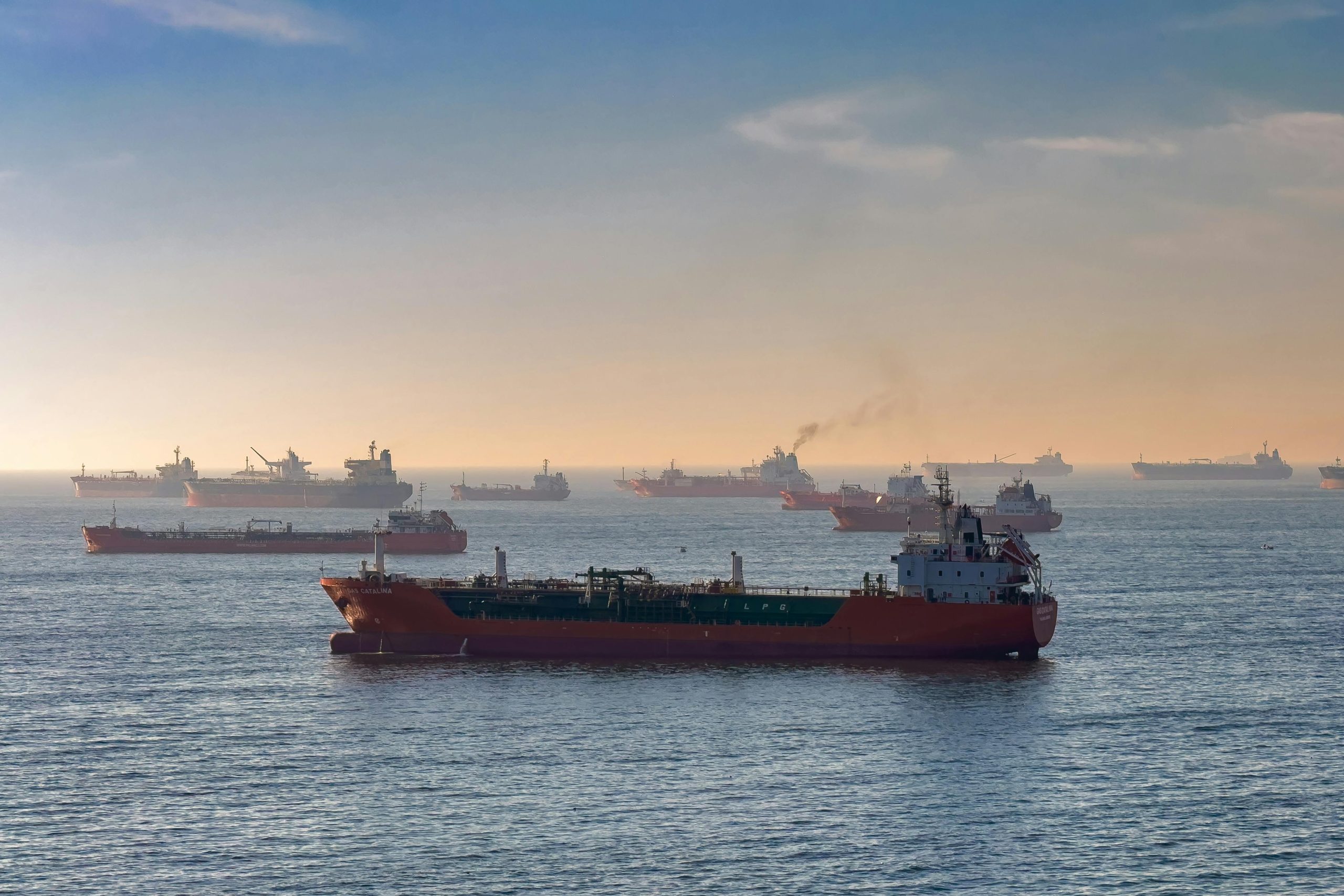
Iran has announced that some ships navigating the Strait of Hormuz will now be subject to fees for “safe passage,” according to recent statements from Iranian authorities. The strait, a critical chokepoint for approximately one-fifth of global crude oil exports, has long been a focal point for geopolitical tensions in the Middle East. Analysts note that these developments could influence oil market volatility and shipping costs, with broader implications for global energy supply chains.
Strategic Significance of Hormuz
The Strait of Hormuz connects the Persian Gulf with the Gulf of Oman and the Arabian Sea, serving as a critical artery for energy exports from major producers, including Saudi Arabia, Iraq, and the UAE. Iran’s control of one side of the narrow waterway provides it with a strategic lever in regional geopolitics. By instituting transit fees, Tehran signals its ability to monetize this leverage while reinforcing maritime security protocols, particularly amid heightened U.S.-Iran tensions.
Market and Economic Implications
Shipping companies and global energy traders are closely monitoring the impact of Iran’s fees on logistics and operational costs. While not all vessels are currently subject to charges, uncertainty could contribute to higher freight rates and potential insurance costs for tankers navigating the route. Commodity markets may react to any perceived risks to oil supply, particularly in Europe and Asia, which rely heavily on Gulf crude shipments.
Regional and Global Considerations
For Israeli and international investors, the development highlights the intersection of geopolitics and energy markets. Any escalation or miscalculation could affect crude oil pricing, maritime insurance premiums, and broader trade flows. Policymakers in the EU, U.S., and Gulf states will likely monitor compliance and response measures, including alternative routing or diplomatic engagement.
Looking forward, markets will be assessing how widespread the fees will be, the potential for reciprocal measures, and the reaction of global shipping and energy sectors. Investors should track oil price movements, tanker traffic reports, and diplomatic signals from Tehran and international stakeholders to gauge emerging risks and opportunities in energy logistics.
Comparison, examination, and analysis between investment houses
Leave your details, and an expert from our team will get back to you as soon as possible
* This article, in whole or in part, does not contain any promise of investment returns, nor does it constitute professional advice to make investments in any particular field.
To read more about the full disclaimer, click here
- sagi habasov
- •
- 5 Min Read
- •
- ago 9 minutes
SKN | Are Markets Overpricing the Risk of Another Rate Hike?
Investors are increasingly pricing in the possibility of further interest rate hikes, even as central bank signals suggest a
- ago 9 minutes
- •
- 5 Min Read

Investors are increasingly pricing in the possibility of further interest rate hikes, even as central bank signals suggest a

- Ronny Mor
- •
- 5 Min Read
- •
- ago 5 hours
SKN | Risk-On Returns as Deal Optimism Lifts Equities and Pressures Oil
Global markets opened the session with a constructive tone, as optimism around a potential deal, geopolitical or economic, lifted
- ago 5 hours
- •
- 5 Min Read

Global markets opened the session with a constructive tone, as optimism around a potential deal, geopolitical or economic, lifted

- omer bar
- •
- 5 Min Read
- •
- ago 6 hours
SKN | Iran Strikes Continue Despite Talk of Diplomacy — Markets Weigh Escalation Risk
Military strikes involving Iran have continued despite claims that diplomatic efforts are underway to end the conflict. The divergence
- ago 6 hours
- •
- 5 Min Read

Military strikes involving Iran have continued despite claims that diplomatic efforts are underway to end the conflict. The divergence

- orshu
- •
- 6 Min Read
- •
- ago 8 hours
SKN | Tel Aviv Markets Dip Across Major Indices Amid Rising Caution
The Tel Aviv stock market opened lower today, reflecting a broader cautious tone among investors amid mixed economic signals and
- ago 8 hours
- •
- 6 Min Read

The Tel Aviv stock market opened lower today, reflecting a broader cautious tone among investors amid mixed economic signals and

