


- Lior mor
- •
- 7 Min Read
- •
- 27 minutes ago
Key Points
- Terafab aims to vertically integrate chip production to address growing AI and robotics demand.
- The project reflects a strategic shift toward controlling compute as a core competitive advantage.
- High capital costs and execution complexity introduce significant risks despite transformative potential.
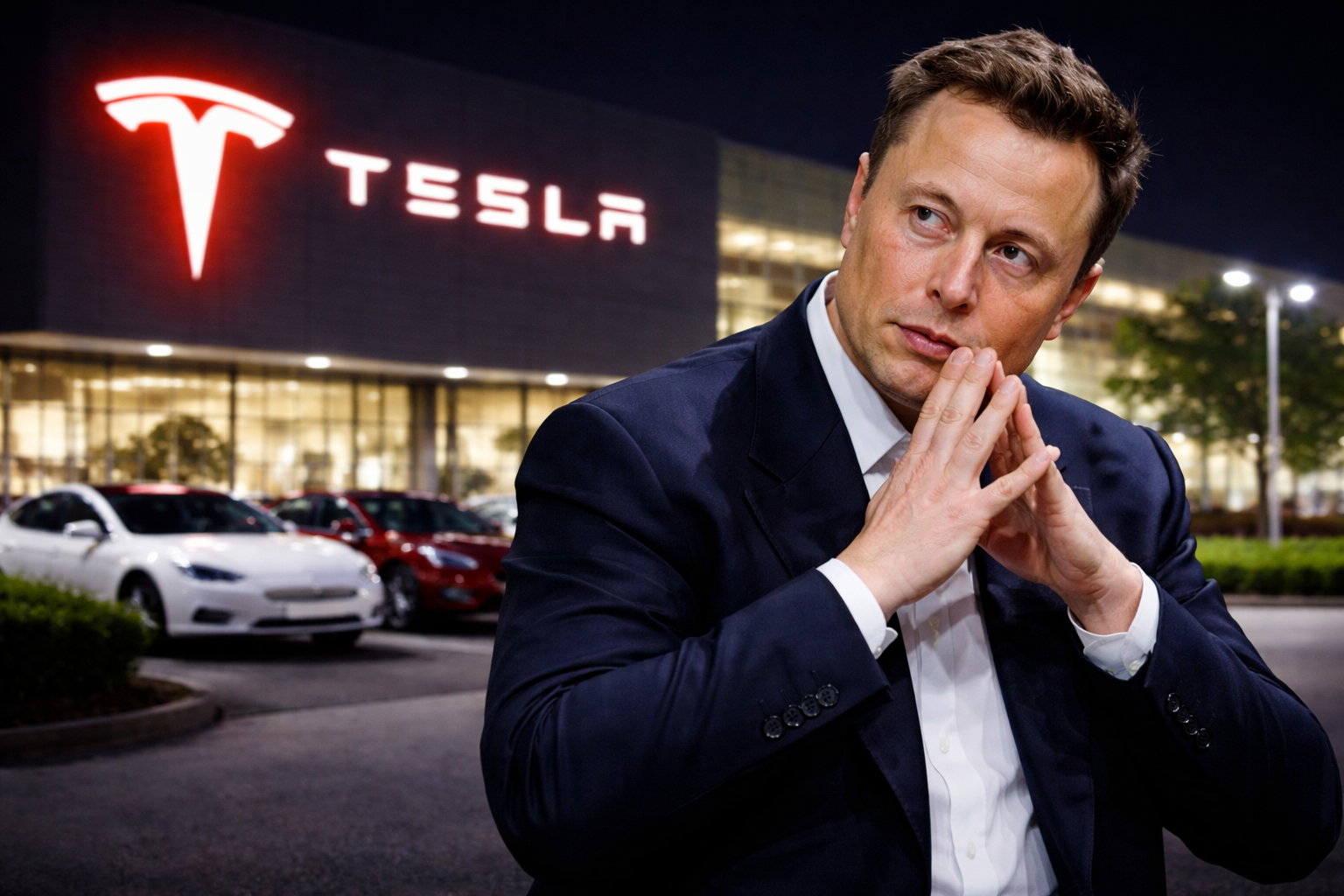
Elon Musk has unveiled one of his most ambitious projects yet: Terafab, a massive semiconductor complex designed to vertically integrate chip production across Tesla, SpaceX, and xAI. Positioned as a response to global chip supply constraints, the project aims to bring design, fabrication, and deployment under one roof. But beyond the headline scale, Terafab reflects a deeper shift in the global tech landscape—where access to compute power is becoming the ultimate strategic advantage.
The Strategic Bet on Vertical Integration
Terafab represents a radical departure from the traditional semiconductor model, where companies rely on foundries like TSMC and Samsung Electronics. Musk’s rationale is straightforward: existing chipmakers cannot scale fast enough to meet the exponential demand driven by artificial intelligence, robotics, and autonomous systems.
By internalizing chip production, Tesla and SpaceX aim to remove what Musk sees as the single biggest bottleneck to growth—compute availability. This is particularly critical as Tesla expands beyond electric vehicles into AI-driven ecosystems, including Full Self-Driving, Robotaxi networks, and humanoid robotics.
However, vertical integration at this scale is not just a technological challenge—it is a capital-intensive, operationally complex endeavor that even established semiconductor leaders have spent decades perfecting.
AI, Robotics, and the Explosion of Chip Demand
The core driver behind Terafab is demand—specifically, the unprecedented scale required for AI and robotics. Tesla’s Optimus humanoid robot program alone could require tens of millions of chips annually, far exceeding the company’s current automotive-related needs.
If Tesla achieves its long-term vision of producing tens of millions of robots per year, chip demand could increase more than fiftyfold. At the same time, SpaceX’s ambitions for orbital data centers and AI-powered satellite networks introduce a new frontier for compute infrastructure—one that extends beyond Earth.
Terafab’s focus on advanced 2-nanometer process technology places it at the cutting edge of semiconductor innovation. Yet this also amplifies execution risk, as even industry leaders are only beginning to scale production at this level. The gap between ambition and operational reality remains significant.
Execution Risks, Capital Intensity, and Market Implications
While initial estimates place Terafab’s cost between $20 billion and $25 billion, analysts suggest total investment could reach as high as $45 billion. This level of capital commitment introduces substantial financial risk, particularly in an industry known for cyclical demand and long payback periods.
Moreover, Musk’s lack of direct experience in semiconductor manufacturing adds another layer of uncertainty. Building advanced fabs requires not only capital but also deep technical expertise, supply chain coordination, and long-term process optimization.
Still, the strategic logic is difficult to ignore. As AI becomes the defining technology of the next decade, control over compute resources may determine which companies lead—and which fall behind. Terafab, if successful, could position Tesla and SpaceX as vertically integrated AI powerhouses, reducing reliance on external suppliers and reshaping competitive dynamics across industries.
Looking ahead, the timeline remains uncertain, with initial production unlikely before 2028. Investors and industry observers will be watching closely to see whether Terafab becomes a transformative breakthrough—or a costly overextension. Either way, it signals a new era where chips are no longer just components, but the foundation of technological power.
Comparison, examination, and analysis between investment houses
Leave your details, and an expert from our team will get back to you as soon as possible
* This article, in whole or in part, does not contain any promise of investment returns, nor does it constitute professional advice to make investments in any particular field.
To read more about the full disclaimer, click here
- omer bar
- •
- 6 Min Read
- •
- ago 26 seconds
SKN | Can Samsung Avoid a Disruptive Strike as Bonus Talks Resume With Its Workforce?
Samsung Electronics has reopened negotiations with its powerful labor union over employee bonuses, a move that could determine whether the
- ago 26 seconds
- •
- 6 Min Read
Samsung Electronics has reopened negotiations with its powerful labor union over employee bonuses, a move that could determine whether the

- Ronny Mor
- •
- 7 Min Read
- •
- ago 1 hour
SKN | Is SK Hynix’s $8 Billion EUV Bet the Key to Winning the Next Memory Chip Cycle?
SK Hynix is making a decisive move to secure its position in the next generation of semiconductor manufacturing, committing nearly
- ago 1 hour
- •
- 7 Min Read
SK Hynix is making a decisive move to secure its position in the next generation of semiconductor manufacturing, committing nearly
- omer bar
- •
- 7 Min Read
- •
- ago 1 hour
SKN | Is Alibaba’s New AI Chip a Turning Point in the Global Race for Agentic Intelligence?
Alibaba is accelerating its push into advanced artificial intelligence infrastructure with the unveiling of its next-generation XuanTie C950 processor, signaling
- ago 1 hour
- •
- 7 Min Read
Alibaba is accelerating its push into advanced artificial intelligence infrastructure with the unveiling of its next-generation XuanTie C950 processor, signaling
- omer bar
- •
- 7 Min Read
- •
- ago 8 hours
SKN | Is OpenAI Too Dependent on Microsoft Ahead of Its Expected IPO?
OpenAI is signaling a critical vulnerability as it prepares for a potential public market debut: its deep reliance on Microsoft.
- ago 8 hours
- •
- 7 Min Read

OpenAI is signaling a critical vulnerability as it prepares for a potential public market debut: its deep reliance on Microsoft.

