


- Lior mor
- •
- 7 Min Read
- •
- 2 days ago
Key Points
- The Australia–EU deal reflects a strategic push to reduce reliance on China for critical minerals.
- Trade-offs between geopolitical goals and agricultural access reveal underlying economic tensions.
- The agreement may reshape investment flows and supply chains across energy and industrial sectors.
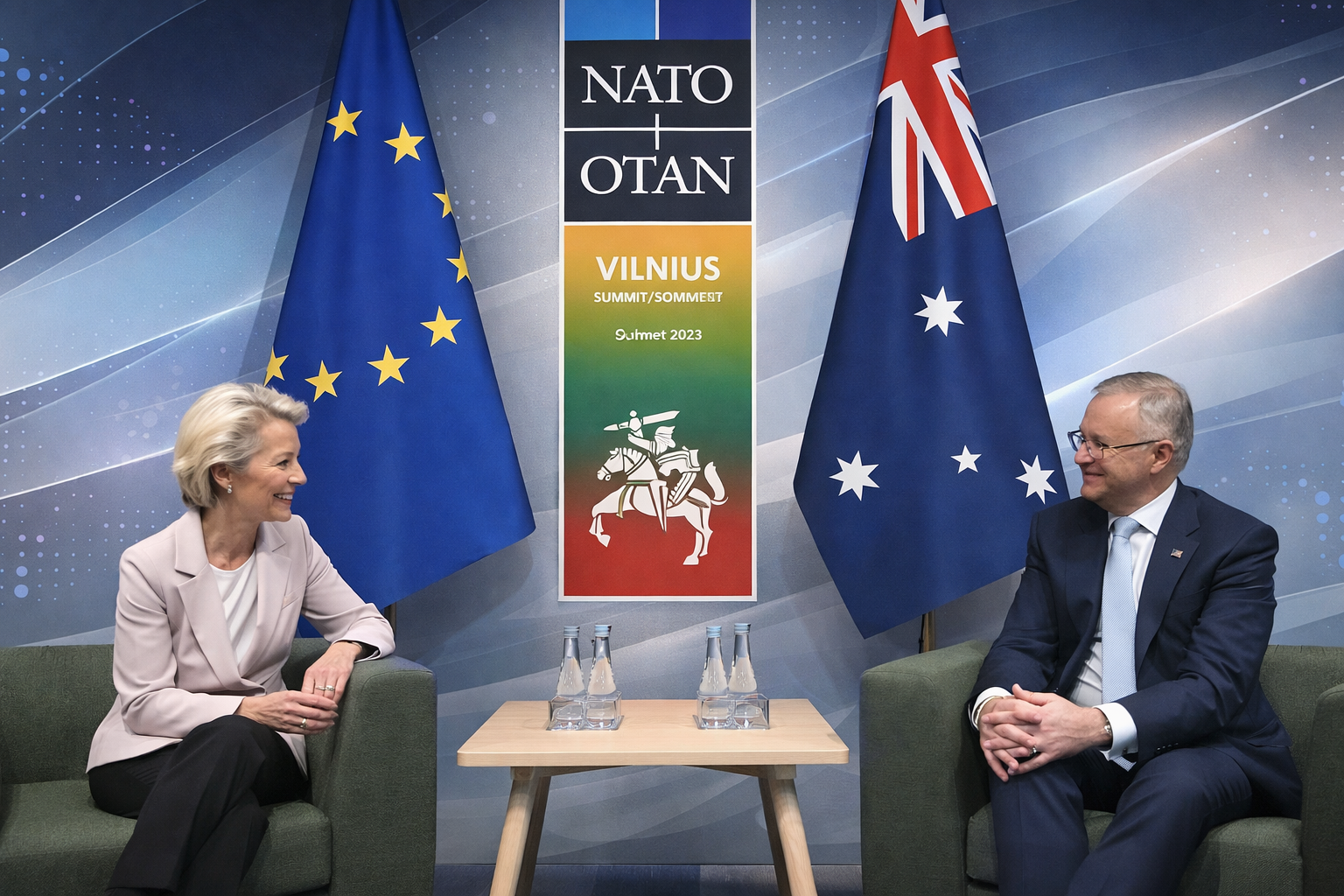
Australia and the European Union have finalized a long-awaited trade agreement that signals more than just tariff reductions—it marks a strategic shift in global supply chains. After eight years of negotiations, the pact reflects a growing urgency among Western economies to reduce reliance on China for critical minerals and industrial inputs. As geopolitical tensions reshape trade priorities, this agreement positions both Australia and Europe to strengthen economic resilience while navigating competing domestic interests.
Strategic Realignment Around Critical Minerals
At the core of the agreement is a shared objective: securing access to critical minerals essential for energy transition technologies, including electric vehicles and renewable infrastructure. European Commission President Ursula von der Leyen emphasized the need to avoid overdependence on a single supplier, underscoring China’s dominant role in global mineral processing.
Australia, rich in lithium and other key resources, stands to benefit from increased export access to European markets. In return, the EU gains a more stable and diversified supply chain, reducing exposure to geopolitical risks in Asia. This alignment reflects a broader trend, as Europe expands its economic footprint in the Indo-Pacific through similar agreements with countries like India and Indonesia.
Trade Gains Offset by Agricultural Tensions
Despite the strategic upside, the deal has exposed friction within Australia’s domestic economy. While tariffs will be eliminated on most European goods—including wine, chocolate, and produce—key Australian agricultural exports face limitations. Beef and sheep meat, among the country’s most valuable exports, will be subject to quotas, restricting full market access.
This compromise has drawn criticism from industry groups, with the National Farmers Federation describing the outcome as commercially insufficient. The tension highlights a recurring challenge in modern trade agreements: balancing strategic objectives with sector-specific economic interests. For policymakers, the agreement represents a calculated trade-off between long-term geopolitical positioning and short-term domestic concerns.
Economic Impact and Market Implications
The economic scale of the relationship underscores the importance of the deal. The EU exported €37 billion in goods to Australia in 2025, alongside €28 billion in services in 2023, while also serving as a major source of foreign investment. For Europe, improved access to Australian resources supports industrial policy goals, particularly in green energy and advanced manufacturing.
From a market perspective, the agreement could influence capital flows and sector performance. European electric vehicle manufacturers, for example, will benefit from reduced taxes in Australia, with changes to the luxury car tax threshold making a majority of EU-made EVs more competitive. Meanwhile, Australian mining companies may see increased demand and pricing power as Europe diversifies supply chains.
Beyond economics, the deal reflects a broader psychological shift among investors and policymakers. Supply chain security is increasingly viewed as a strategic asset, not just a cost consideration. This could lead to sustained investment in resource-rich regions like Australia, while accelerating the fragmentation of global trade into regional blocs.
Looking ahead, the success of the agreement will depend on execution and geopolitical stability. If tensions with China persist, partnerships like this are likely to deepen, reinforcing a multi-polar trade environment. However, unresolved domestic concerns—particularly in agriculture—could shape future negotiations and political support. For investors, the key will be tracking how supply chain diversification translates into long-term economic and market outcomes.
Comparison, examination, and analysis between investment houses
Leave your details, and an expert from our team will get back to you as soon as possible
* This article, in whole or in part, does not contain any promise of investment returns, nor does it constitute professional advice to make investments in any particular field.
To read more about the full disclaimer, click here
- Lior mor
- •
- 6 Min Read
- •
- ago 13 hours
SKN | How the Fed Could Shrink Its Balance Sheet: Insights from Brookings Institution
The Federal Reserve’s unprecedented expansion of its balance sheet during the COVID-19 pandemic and subsequent economic interventions has left policymakers
- ago 13 hours
- •
- 6 Min Read
The Federal Reserve’s unprecedented expansion of its balance sheet during the COVID-19 pandemic and subsequent economic interventions has left policymakers
- Lior mor
- •
- 7 Min Read
- •
- ago 3 days
SKN | Australia and EU Finalize Long-Awaited Trade Deal Amid Global Trade Tensions
Australia and the European Union have reached a long-anticipated trade agreement designed to enhance economic ties and expand market access.
- ago 3 days
- •
- 7 Min Read

Australia and the European Union have reached a long-anticipated trade agreement designed to enhance economic ties and expand market access.
- Lior mor
- •
- 7 Min Read
- •
- ago 6 days
SKN | Will the Nexstar-Tegna Merger Face a Last-Minute Block Despite Federal Approval?
A $3.5 billion media merger between Nexstar and Tegna is facing fresh legal resistance, even after securing federal approval and
- ago 6 days
- •
- 7 Min Read

A $3.5 billion media merger between Nexstar and Tegna is facing fresh legal resistance, even after securing federal approval and

- omer bar
- •
- 6 Min Read
- •
- ago 2 weeks
SKN | Could Rule Changes Fast-Track SpaceX Into the S&P 500 After Its IPO?
S&P Dow Jones Indices is reportedly evaluating potential rule changes that could accelerate the inclusion of newly public companies into
- ago 2 weeks
- •
- 6 Min Read

S&P Dow Jones Indices is reportedly evaluating potential rule changes that could accelerate the inclusion of newly public companies into

