


- sagi habasov
- •
- 6 Min Read
- •
- 29 minutes ago
Key Points
- Crude oil prices resumed gains on growing concerns that regional conflict in the Middle East may escalate.
- Investor sentiment was cautious, balancing higher energy prices with potential global economic implications.
- Markets across equities and bonds reacted to geopolitical uncertainty, highlighting sensitivity to oil supply risks.
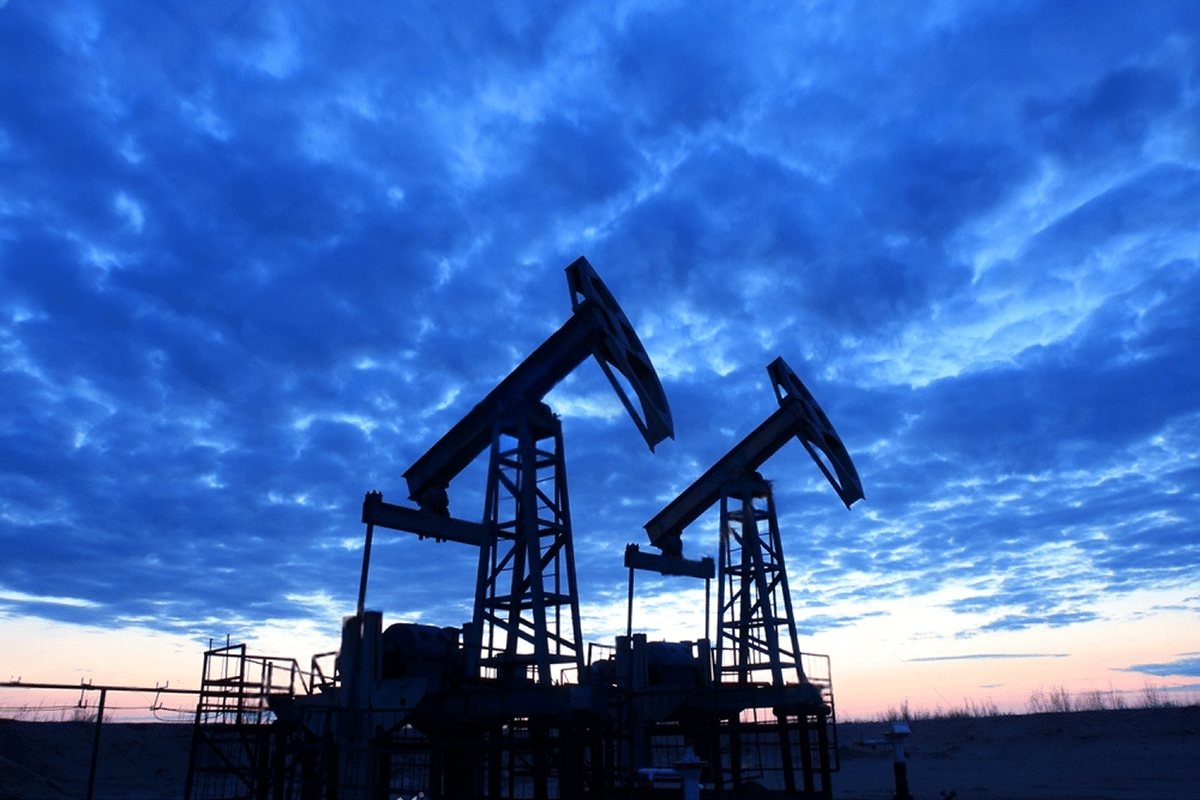
Crude oil markets rebounded as investors responded to renewed concerns over potential escalation in the Middle East. Rising geopolitical risk has driven crude prices higher, reflecting market anxiety about disruptions to critical energy supply routes. Financial markets globally are adjusting to the uncertainty, with equities and bond yields reflecting a mix of risk-off sentiment and cautious optimism.
Oil Market Dynamics
Brent crude futures rose 2.9% to $89.40 per barrel, while West Texas Intermediate (WTI) advanced 2.7% to $83.10, as traders priced in potential supply disruptions. Tensions in key oil-producing regions, including the Strait of Hormuz, have heightened concerns about global energy flows. Analysts note that any escalation of military activity could trigger sharp price spikes, whereas diplomatic interventions may temporarily stabilize markets.
The energy sector showed mixed performance: oil majors saw gains in share prices, while regional shipping and logistics firms experienced volatility due to potential risks to tanker operations. Short-term traders closely monitored inventory data and tanker movements for signals on supply security, while forward contracts implied elevated risk premiums for the coming weeks.
Global Market Reactions
Equity markets exhibited cautious responses to the uptick in oil prices. Major U.S. indices, including the S&P 500 and Nasdaq, gained approximately 1.1% and 1.3% respectively, supported by energy sector strength but constrained by uncertainty over broader geopolitical impacts. European equities, led by the EURO STOXX 50 and DAX, rose 1.2% and 1.1%, reflecting mixed regional sentiment. Bond markets reacted with modest declines in yields for safe-haven instruments, indicating investor hedging against potential volatility.
Currency markets also reflected risk sensitivity, with the U.S. Dollar Index marginally higher at 99.65, signaling a cautious approach among investors to preserve liquidity amid heightened tensions. Volatility indices, including the VIX, remained slightly elevated, underlining persistent market anxiety despite short-term gains in equities.
Strategic and Economic Implications
The upward movement in crude prices emphasizes the strategic importance of energy security for both developed and emerging economies. Supply disruptions or perceived threats in the Middle East directly influence inflation expectations, monetary policy decisions, and broader market sentiment. For Israel, heightened regional risk factors could affect domestic energy costs, corporate margins, and market volatility in sensitive sectors.
Market analysts are watching both geopolitical developments and fundamental indicators, including global oil inventories, shipping routes, and production levels in OPEC and non-OPEC countries. Energy sector performance will remain a barometer for global investor sentiment, with ripple effects across equities, bonds, and currency markets.
Forward-Looking Outlook
Investors should monitor diplomatic communications, potential military developments, and energy supply reports closely. Oil price trajectories will continue to influence both risk sentiment and macroeconomic projections, while global markets may remain reactive to news on regional tensions. The stability of critical chokepoints such as the Strait of Hormuz, upcoming economic data releases, and corporate earnings in energy-dependent sectors will remain central to market forecasts.
Comparison, examination, and analysis between investment houses
Leave your details, and an expert from our team will get back to you as soon as possible
* This article, in whole or in part, does not contain any promise of investment returns, nor does it constitute professional advice to make investments in any particular field.
To read more about the full disclaimer, click here
- orshu
- •
- 6 Min Read
- •
- ago 41 minutes
SKN | Oil Climbs Back After Iran Official Denies U.S. Negotiations: Market Stability Tested
Crude oil prices regained ground after earlier losses as investors weighed conflicting reports on U.S.-Iran diplomatic engagement. While a temporary
- ago 41 minutes
- •
- 6 Min Read

Crude oil prices regained ground after earlier losses as investors weighed conflicting reports on U.S.-Iran diplomatic engagement. While a temporary

- Ronny Mor
- •
- 6 Min Read
- •
- ago 3 hours
SKN | Can a Five‑Day Pause in U.S.–Iran Tensions Stabilize Markets and Energy Flows?
U.S. President Donald Trump announced on March 23 that Washington will postpone planned strikes on Iranian energy and power facilities
- ago 3 hours
- •
- 6 Min Read
U.S. President Donald Trump announced on March 23 that Washington will postpone planned strikes on Iranian energy and power facilities

- omer bar
- •
- 8 Min Read
- •
- ago 4 hours
SKN | Could a 100% Oil Price Surge From an Iran Conflict Shake Global Stock Markets?
Rising geopolitical tensions involving Iran have revived concerns about potential disruptions to global oil supply. If a conflict were to
- ago 4 hours
- •
- 8 Min Read

Rising geopolitical tensions involving Iran have revived concerns about potential disruptions to global oil supply. If a conflict were to

- sagi habasov
- •
- 8 Min Read
- •
- ago 4 hours
SKN | Oil Stabilizes After Sharp Selloff as Trump Softens Iran Energy Threats
Oil prices held near recent lows after a steep decline, as former U.S. President Donald Trump appeared to walk back
- ago 4 hours
- •
- 8 Min Read
Oil prices held near recent lows after a steep decline, as former U.S. President Donald Trump appeared to walk back

