


- Lior mor
- •
- 7 Min Read
- •
- 3 days ago
Key Points
- Australia and the European Union have agreed on a comprehensive trade deal aimed at boosting bilateral trade and reducing tariffs.
- The agreement comes amid ongoing global trade tensions and uncertainty over supply chains and market access.
- Export-oriented sectors, particularly agriculture and manufacturing, are expected to benefit, while investors assess broader macroeconomic impacts.

Australia and the European Union have reached a long-anticipated trade agreement designed to enhance economic ties and expand market access. The deal, formalized this week, comes at a time when global trade faces ongoing friction from geopolitical tensions, supply chain disruptions, and shifts in global economic growth patterns.
For investors in Israel and globally, the deal signals a potential boost to sectors exposed to export opportunities, while also highlighting the strategic importance of trade diversification in a volatile international environment.
Details of the Australia-EU Trade Agreement
The agreement includes significant reductions in tariffs and non-tariff barriers, particularly for Australian agricultural exports such as beef, lamb, wine, and dairy products. European exporters will similarly benefit from improved access to the Australian market, especially in sectors like machinery, pharmaceuticals, and processed foods.
Negotiators emphasized that the deal also incorporates provisions on sustainable trade, regulatory alignment, and standards for digital services. These measures aim to facilitate smoother cross-border trade while protecting environmental and consumer standards.
Financial markets have reacted cautiously, with investors evaluating potential gains for listed companies in both regions. While the immediate effect on equity prices has been moderate, analysts note that long-term benefits could emerge from enhanced export volumes and improved business confidence.
Macroeconomic Implications and Market Reactions
Economically, the agreement could strengthen bilateral trade flows, supporting GDP growth in both regions. Australian exporters are positioned to gain from reduced tariff burdens, which may enhance profit margins and stimulate production. In Europe, manufacturers and service providers could see expanded access to a stable, resource-rich market.
From a market perspective, sectors with high exposure to international trade are likely to experience gradual revaluation. Investors may monitor currency movements as stronger trade flows could affect the Australian dollar and euro, influencing investment strategies in equities and fixed-income instruments.
The broader implication for global investors is the reminder that trade agreements can act as stabilizing factors in an otherwise volatile international trade environment, providing predictability for businesses reliant on cross-border transactions.
Strategic Considerations and Sector Impact
Sectors likely to benefit include agriculture, manufacturing, and industrial exports in Australia, alongside European machinery, pharmaceuticals, and food processing companies. By contrast, domestic-focused industries may see limited direct impact.
Investors may also consider the geopolitical dimension. Strengthening EU-Australia trade ties could influence global supply chains and reduce dependency on other trade partners facing higher risks or tariffs, a factor increasingly relevant to portfolio allocation decisions.
For Israeli investors, companies with exposure to European and Australian markets could see indirect benefits through trade-linked revenue streams, particularly in commodities and industrial goods sectors.
Looking Ahead: Opportunities and Risks
As the agreement moves toward implementation, key factors to watch include regulatory harmonization timelines, customs and tariff reductions, and sector-specific uptake of trade benefits. Potential risks include delays in ratification, unforeseen market adjustments, and broader geopolitical disruptions that could affect trade flows.
For global and Israeli investors, the deal highlights the importance of monitoring international trade developments, sector-specific performance, and currency impacts. The agreement may offer opportunities for companies positioned to capitalize on expanded market access, while also underscoring the need for strategic diversification in a globally interconnected economy.
Comparison, examination, and analysis between investment houses
Leave your details, and an expert from our team will get back to you as soon as possible
* This article, in whole or in part, does not contain any promise of investment returns, nor does it constitute professional advice to make investments in any particular field.
To read more about the full disclaimer, click here
- Lior mor
- •
- 6 Min Read
- •
- ago 13 hours
SKN | How the Fed Could Shrink Its Balance Sheet: Insights from Brookings Institution
The Federal Reserve’s unprecedented expansion of its balance sheet during the COVID-19 pandemic and subsequent economic interventions has left policymakers
- ago 13 hours
- •
- 6 Min Read
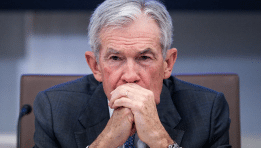
The Federal Reserve’s unprecedented expansion of its balance sheet during the COVID-19 pandemic and subsequent economic interventions has left policymakers
- Lior mor
- •
- 7 Min Read
- •
- ago 2 days
SKN | Can the Australia–EU Trade Deal Redefine Supply Chains Away From China?
Australia and the European Union have finalized a long-awaited trade agreement that signals more than just tariff reductions—it marks a
- ago 2 days
- •
- 7 Min Read

Australia and the European Union have finalized a long-awaited trade agreement that signals more than just tariff reductions—it marks a
- Lior mor
- •
- 7 Min Read
- •
- ago 6 days
SKN | Will the Nexstar-Tegna Merger Face a Last-Minute Block Despite Federal Approval?
A $3.5 billion media merger between Nexstar and Tegna is facing fresh legal resistance, even after securing federal approval and
- ago 6 days
- •
- 7 Min Read

A $3.5 billion media merger between Nexstar and Tegna is facing fresh legal resistance, even after securing federal approval and

- omer bar
- •
- 6 Min Read
- •
- ago 2 weeks
SKN | Could Rule Changes Fast-Track SpaceX Into the S&P 500 After Its IPO?
S&P Dow Jones Indices is reportedly evaluating potential rule changes that could accelerate the inclusion of newly public companies into
- ago 2 weeks
- •
- 6 Min Read

S&P Dow Jones Indices is reportedly evaluating potential rule changes that could accelerate the inclusion of newly public companies into

