


- omer bar
- •
- 8 Min Read
- •
- 3 hours ago
Key Points
- Historical oil shocks linked to geopolitical conflicts have often triggered short-term volatility in global stock markets.
- A potential 100% surge in oil prices could intensify inflation pressures and complicate central bank policy decisions.
- Energy exporters could benefit while energy-importing economies and equity markets may face near-term headwinds.

Rising geopolitical tensions involving Iran have revived concerns about potential disruptions to global oil supply. If a conflict were to drive crude prices sharply higher, including a hypothetical doubling of prices, investors would likely face ripple effects across equity markets, currencies, and global economic growth.
Energy shocks have historically played a major role in shaping market cycles. For global investors—including those in Israel, where energy imports remain a key macroeconomic factor—understanding how oil price spikes influence equity markets provides important context for evaluating risk in volatile geopolitical environments.
Historical Oil Shocks and Equity Market Reactions
History shows that sudden oil price spikes often coincide with periods of heightened volatility in global equity markets. One of the most notable examples occurred during the 1973 oil embargo, when crude prices quadrupled within months after Middle Eastern producers restricted exports. The shock contributed to a global economic slowdown and a prolonged bear market in U.S. and international equities.
Another significant episode followed the 1979 Iranian Revolution, which disrupted oil production and pushed prices sharply higher. Global equities again faced significant pressure as energy costs surged and inflation accelerated across major economies.
More recently, the 1990 Gulf War briefly triggered a spike in oil prices as markets feared supply disruptions from the Middle East. However, once military operations began and supply fears eased, oil prices quickly retreated and equity markets recovered.
These historical cases suggest that stock markets often react strongly in the short term to oil shocks, particularly when uncertainty about supply disruptions dominates investor sentiment.
Inflation, Interest Rates, and Economic Growth
A sharp rise in oil prices can affect equity markets through several macroeconomic channels. Higher energy costs increase production expenses for businesses, reduce consumer purchasing power, and can drive broader inflation across the economy.
Central banks may face difficult policy choices in such scenarios. If inflation accelerates because of rising energy prices, monetary authorities might maintain higher interest rates for longer periods or delay planned rate cuts. Higher borrowing costs can weigh on corporate investment and equity valuations.
A hypothetical doubling of oil prices could therefore create a stagflation-like environment in some economies—characterized by slower growth combined with elevated inflation. Such conditions have historically been challenging for risk assets, including equities.
For Israel and other energy-importing economies, sustained oil price increases can also influence currency movements, trade balances, and inflation expectations.
Sector Winners and Losers in an Oil Shock
While broad equity markets often face pressure during oil shocks, the impact is rarely uniform across sectors. Energy producers and oil-related companies typically benefit from rising crude prices, which can boost revenue and profit margins.
Conversely, sectors heavily dependent on fuel costs—such as airlines, transportation, and manufacturing—often face margin pressure when energy prices spike. Consumer-focused industries may also struggle if higher fuel costs reduce household spending power.
Financial markets tend to quickly reprice these sector dynamics. Investors often shift capital toward energy-linked assets while reducing exposure to industries vulnerable to higher operating costs.
In Israel, the performance of energy-related companies and natural gas producers could diverge from broader equity market trends if global energy prices surge.
What Investors May Watch in the Months Ahead
If geopolitical tensions involving Iran were to escalate significantly, investors would likely monitor several key indicators. These include crude oil supply flows through the Strait of Hormuz, production decisions from OPEC+, and the response of major central banks to potential inflation shocks.
Equity market reactions would also depend on the duration and scale of any supply disruption. Short-lived spikes in oil prices may create temporary volatility, while sustained price increases could have broader implications for global growth and corporate earnings.
For global and Israeli investors alike, the intersection of geopolitical developments, energy markets, and macroeconomic policy will remain a crucial factor shaping market sentiment. Monitoring oil price movements alongside inflation trends and monetary policy signals may provide early clues about how equity markets could respond if energy prices experience another major shock.
Comparison, examination, and analysis between investment houses
Leave your details, and an expert from our team will get back to you as soon as possible
* This article, in whole or in part, does not contain any promise of investment returns, nor does it constitute professional advice to make investments in any particular field.
To read more about the full disclaimer, click here
- Ronny Mor
- •
- 6 Min Read
- •
- ago 2 hours
SKN | Can a Five‑Day Pause in U.S.–Iran Tensions Stabilize Markets and Energy Flows?
U.S. President Donald Trump announced on March 23 that Washington will postpone planned strikes on Iranian energy and power facilities
- ago 2 hours
- •
- 6 Min Read

U.S. President Donald Trump announced on March 23 that Washington will postpone planned strikes on Iranian energy and power facilities

- sagi habasov
- •
- 8 Min Read
- •
- ago 3 hours
SKN | Oil Stabilizes After Sharp Selloff as Trump Softens Iran Energy Threats
Oil prices held near recent lows after a steep decline, as former U.S. President Donald Trump appeared to walk back
- ago 3 hours
- •
- 8 Min Read
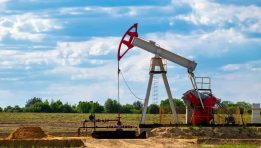
Oil prices held near recent lows after a steep decline, as former U.S. President Donald Trump appeared to walk back

- orshu
- •
- 6 Min Read
- •
- ago 7 hours
SKN | Gold Rebounds From Session Lows as Trump Signals ‘Productive’ Iran Talks—Safe-Haven Demand Eases?
Gold prices trimmed earlier losses after former U.S. President Donald Trump described recent discussions with Iran as “productive,” easing
- ago 7 hours
- •
- 6 Min Read

Gold prices trimmed earlier losses after former U.S. President Donald Trump described recent discussions with Iran as “productive,” easing
- sagi habasov
- •
- 6 Min Read
- •
- ago 10 hours
SKN | Is Gold Losing Its Safe-Haven Status as Geopolitics Give Way to Inflation Fears?
Gold and silver markets are undergoing a sharp recalibration as geopolitical tensions momentarily ease while inflation pressures intensify. After suffering
- ago 10 hours
- •
- 6 Min Read

Gold and silver markets are undergoing a sharp recalibration as geopolitical tensions momentarily ease while inflation pressures intensify. After suffering

