


- Lior mor
- •
- 7 Min Read
- •
- 18 hours ago
Key Points
- Musk plans two chip fabs in Austin under the “Terafab” project.
- Factories will produce chips for EVs, humanoid robots, and AI satellites.
- The move reflects rising demand that could exceed global chip supply.
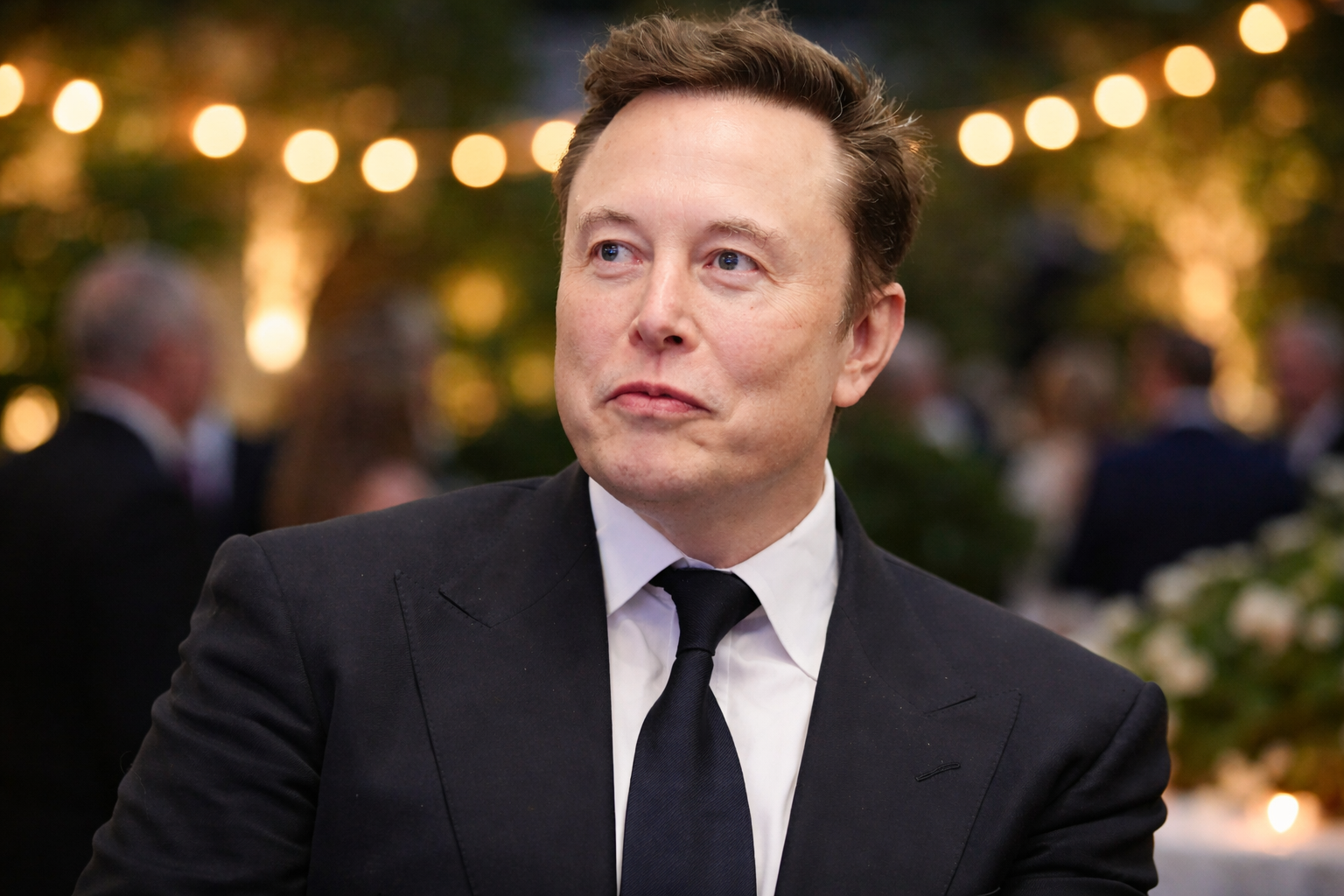
Elon Musk is escalating the race for artificial intelligence dominance with plans to build two advanced chip factories in Austin, Texas—an ambitious move that could reshape the semiconductor landscape. By integrating Tesla and SpaceX into a unified chip strategy, Musk is signaling that future competitiveness in AI, robotics, and space infrastructure will depend on owning the full stack—from software to silicon.
A Dual-Fab Strategy for AI and Robotics
At the core of the “Terafab” concept is a two-factory system, each focused on a single specialized chip design. One will power Tesla’s ecosystem, including autonomous vehicles and the Optimus humanoid robot, while the other will target high-performance chips designed for AI infrastructure in space.
Elon Musk emphasized that existing semiconductor supply will not be sufficient to meet the long-term needs of his companies. This reflects a broader industry trend where leading technology firms are increasingly seeking vertical integration to secure critical components.
By designing chips in-house and manufacturing them at scale, Tesla and SpaceX aim to reduce reliance on third-party suppliers while optimizing performance for highly specific use cases.
AI in Space: A New Frontier for Computing
One of the most striking aspects of Musk’s announcement is the focus on space-based AI computing. The second fab will produce chips designed for satellites, capable of operating in extreme conditions such as high radiation and temperature variability.
This aligns with SpaceX’s broader strategy of expanding satellite networks and enabling real-time data processing in orbit. If successful, it could significantly reduce latency and enhance the capabilities of space-based AI systems, opening new possibilities in communications, defense, and global data infrastructure.
Challenging the Semiconductor Status Quo
Musk acknowledged current reliance on major chipmakers such as TSMC, Samsung, and Micron, but suggested that demand from AI-driven applications could soon outstrip global production capacity.
This reflects a growing concern across the tech industry: the AI boom is placing unprecedented pressure on semiconductor supply chains. Hyperscalers and technology firms are increasingly investing in custom silicon to differentiate performance and secure long-term capacity.
Musk’s approach mirrors a broader shift toward vertical integration seen across the sector, where companies seek greater control over critical infrastructure.
Scale and Ambition: A Terawatt Vision
The proposed output of the Terafab project is staggering. Musk estimates the facility could eventually generate one terawatt of computing capacity annually—roughly double the current total capacity produced in the United States.
Such scale underscores the magnitude of future AI demand, particularly as applications expand into autonomous systems, robotics, and large-scale data processing. However, Musk’s track record of ambitious timelines introduces uncertainty around execution, funding, and delivery.
Forward Outlook: Visionary Leap or Execution Risk?
The Terafab initiative represents one of the boldest bets on the future of AI infrastructure, positioning Tesla and SpaceX at the intersection of semiconductors, robotics, and space technology. If realized, it could redefine competitive dynamics in multiple industries. Yet the project also carries significant risks, including technological complexity, capital intensity, and potential delays. For investors and industry observers, the key question is whether Musk can translate vision into execution in a sector where scale, precision, and timing are critical to success.
Comparison, examination, and analysis between investment houses
Leave your details, and an expert from our team will get back to you as soon as possible
* This article, in whole or in part, does not contain any promise of investment returns, nor does it constitute professional advice to make investments in any particular field.
To read more about the full disclaimer, click here
- Ronny Mor
- •
- 5 Min Read
- •
- ago 6 hours
SKN | Trustpilot Hit With €4M Fine—Are Online Reviews Losing Consumer Trust?
Italy’s competition regulator has fined Trustpilot €4 million ($4.6 million), raising fresh concerns about the reliability of online review systems.
- ago 6 hours
- •
- 5 Min Read

Italy’s competition regulator has fined Trustpilot €4 million ($4.6 million), raising fresh concerns about the reliability of online review systems.
- Ronny Mor
- •
- 6 Min Read
- •
- ago 6 hours
SKN | Why Private Capital Is Rotating From Software to “Hard Assets” in the AI Era
Private capital is undergoing a major strategic pivot as the rise of artificial intelligence forces investors to reassess risk, durability,
- ago 6 hours
- •
- 6 Min Read
Private capital is undergoing a major strategic pivot as the rise of artificial intelligence forces investors to reassess risk, durability,

- omer bar
- •
- 6 Min Read
- •
- ago 6 hours
SKN | Why Is Korea’s AI Startup Upstage Turning to AMD in the Race for AI Independence?
South Korea’s push to become a global AI powerhouse is accelerating, and a key battleground is emerging in semiconductor sourcing.
- ago 6 hours
- •
- 6 Min Read
South Korea’s push to become a global AI powerhouse is accelerating, and a key battleground is emerging in semiconductor sourcing.

- Lior mor
- •
- 6 Min Read
- •
- ago 6 hours
SKN | Is STMicro’s China Production Move a Strategic Shift in the Global Chip Supply Chain?
STMicroelectronics has begun delivering STM32 microcontrollers produced entirely in China, marking a notable step in the evolving global semiconductor landscape.
- ago 6 hours
- •
- 6 Min Read
STMicroelectronics has begun delivering STM32 microcontrollers produced entirely in China, marking a notable step in the evolving global semiconductor landscape.

