





- Lior mor
- •
- 6 Min Read
- •
- 7 months ago


Key Points
- Gas prices have surged nearly $1 per gallon, adding billions in consumer costs.
- Higher fuel expenses are squeezing household budgets and threatening spending.
- The Federal Reserve faces a growing dilemma between inflation risks and weakening demand.

Surging gasoline prices are increasingly acting as an invisible tax on American consumers, raising fresh concerns about inflation, spending power, and the Federal Reserve’s policy path. With fuel costs jumping nearly $1 per gallon in just a month and oil prices holding near multi-year highs, economists warn that the ripple effects are beginning to spread across the broader economy—just as markets were hoping for stability.
The “Energy Tax” Is Hitting Consumers Fast
Gasoline prices are approaching $4 per gallon, with Americans now spending roughly $370 million more per day on fuel compared to a month ago. Economists describe this phenomenon as an “energy tax”—a cost burden that consumers cannot easily avoid.
Unlike discretionary spending, fuel is a necessity. As a result, rising gasoline prices force households to reallocate budgets, often cutting back on services, retail purchases, and travel. This dynamic creates an immediate drag on consumer-driven economic growth.
Inflation Pressures Are Building Across the Economy
Higher energy costs are feeding directly into inflation. Oil prices near $100 per barrel are already pushing up gasoline, diesel, and transportation expenses. Since roughly 70% of goods in the U.S. are transported by truck, rising diesel prices are quickly filtering into supply chains.
Jerome Powell has acknowledged that energy prices will likely lift headline inflation in the near term, though the longer-term impact remains uncertain. The key issue is whether these cost increases become embedded in broader price levels or remain temporary shocks.
The Fed Faces a Policy Dilemma
At the center of the debate is how the Federal Reserve should respond. Traditionally, rising inflation would argue for keeping interest rates elevated. However, the current situation is more complex.
If higher fuel costs significantly weaken consumer spending, they could slow economic growth—potentially offsetting inflationary pressures. This creates a policy dilemma: tighten to fight inflation or ease to support demand.
Some economists argue that if consumer weakness intensifies, the Fed may still be forced to cut rates despite rising energy-driven inflation. Others believe persistent price pressures could delay any easing cycle.
Corporate Earnings and Markets Under Pressure
Markets are already reacting to the uncertainty. The S&P 500 has declined roughly 5% since the onset of geopolitical tensions, reflecting investor concerns about both inflation and growth.
Rising input costs—particularly fuel and transportation—are expected to weigh on corporate margins in upcoming earnings reports. While the full impact may not yet be visible, analysts warn that companies will likely begin adjusting guidance as cost pressures persist.
Forward Outlook: Inflation Shock or Growth Slowdown?
The trajectory of gasoline and oil prices will be critical in shaping the economic outlook. If prices continue to rise toward the $140–$150 per barrel range, the burden on consumers could outweigh fiscal support measures and significantly slow growth. On the other hand, if energy markets stabilize, the current shock may prove temporary. For now, the “energy tax” is emerging as a central force in the economy—one that could redefine inflation trends, consumer behavior, and monetary policy decisions in the months ahead.
Comparison, examination, and analysis between investment houses
Leave your details, and an expert from our team will get back to you as soon as possible
* This article, in whole or in part, does not contain any promise of investment returns, nor does it constitute professional advice to make investments in any particular field.
To read more about the full disclaimer, click here
- Ronny Mor
- •
- 8 Min Read
- •
- ago 13 hours
SKN | The US Corporate Debt Maturity Wall: $1.9 Trillion in Speculative-Grade Debt Faces Refinancing Pressure
US companies are approaching a substantial corporate debt refinancing period, with approximately $1.9 trillion in speculative-grade bonds and loans
- ago 13 hours
- •
- 8 Min Read

US companies are approaching a substantial corporate debt refinancing period, with approximately $1.9 trillion in speculative-grade bonds and loans
- Ronny Mor
- •
- 6 Min Read
- •
- ago 2 days
SKN | Fed’s Logan Calls for Two More Rate Hikes as Inflation Remains Above Target
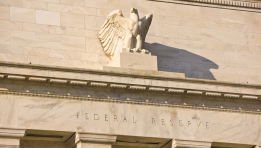
Federal Reserve policy is facing renewed pressure to tighten as policymakers assess persistent inflation and the risks of allowing
- ago 2 days
- •
- 6 Min Read
Federal Reserve policy is facing renewed pressure to tighten as policymakers assess persistent inflation and the risks of allowing

- omer bar
- •
- 6 Min Read
- •
- ago 2 days
SKN | U.S. Employment Costs Rise 3.4% Annually as Wage Growth Remains Below Headline Inflation
Employment Costs Continue to Increase The U.S. Employment Cost Index recorded a 0.8% increase in the third quarter of 2026,
- ago 2 days
- •
- 6 Min Read

Employment Costs Continue to Increase The U.S. Employment Cost Index recorded a 0.8% increase in the third quarter of 2026,

- sagi habasov
- •
- 9 Min Read
- •
- ago 2 days
SKN | Fed Officials Call for Further Rate Hikes as Inflation Remains Above Target
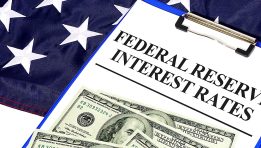
Fed Officials Signal More Work on Inflation Three Federal Reserve officials made the case for additional interest rate increases on
- ago 2 days
- •
- 9 Min Read
Fed Officials Signal More Work on Inflation Three Federal Reserve officials made the case for additional interest rate increases on

