


- Arik Arkadi Sluzki
- •
- 7 Min Read
- •
- 6 hours ago
Key Points
- Tesla (TSLA) remains a dominant force in the electric vehicle (EV) market, but faces intensifying global competition.
- Margins and pricing strategies are under pressure amid slowing EV demand growth and cost dynamics.
- Future upside is increasingly tied to AI, autonomy, and energy businesses rather than core vehicle sales.
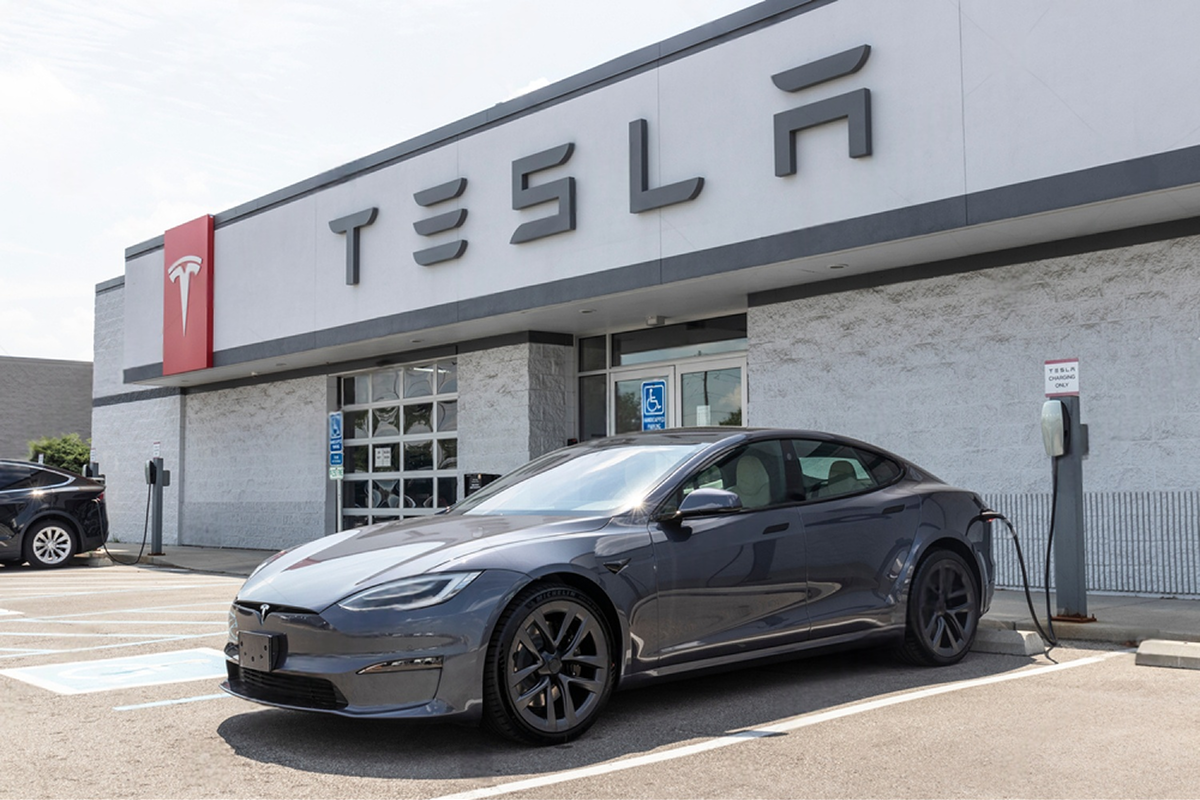
Tesla, Inc. continues to be one of the most debated stocks in global equity markets, reflecting its dual identity as both an automotive manufacturer and a technology-driven growth company. As investors reassess high-growth valuations in a changing macroeconomic environment, Tesla’s outlook is being evaluated through the lens of execution, innovation, and evolving demand trends.
Core Automotive Business Faces Competitive Pressure
Tesla’s leadership in the electric vehicle market has been a central driver of its valuation. However, the competitive landscape has shifted significantly, with both established automakers and new entrants expanding their EV offerings. This increased competition has led to pricing adjustments across key markets, including the United States, Europe, and China.
Price reductions, while supportive of volume growth, have contributed to margin compression. Automotive gross margins, once a key differentiator for Tesla, have faced pressure as input costs, logistics, and competitive pricing strategies weigh on profitability.
At the same time, global EV adoption remains strong but is showing signs of normalization after rapid early growth. This suggests that Tesla’s future performance will depend not only on volume expansion but also on maintaining pricing discipline and operational efficiency.
AI, Autonomy, and Energy as Strategic Growth Drivers
Tesla’s long-term narrative increasingly centers on its capabilities beyond vehicle manufacturing. The company is investing heavily in autonomous driving technology, artificial intelligence, and energy solutions, positioning itself as a broader technology platform.
Developments in Full Self-Driving (FSD) software and AI training infrastructure are viewed as potential catalysts for future revenue streams. However, the timeline for large-scale commercialization remains uncertain, and regulatory considerations continue to play a significant role.
In parallel, Tesla’s energy storage and solar businesses are gaining traction, supported by rising global demand for renewable energy and grid stability solutions. These segments offer diversification but currently represent a smaller portion of overall revenue compared to automotive operations.
The success of these initiatives will be critical in determining whether Tesla can sustain its premium valuation relative to traditional automakers.
Macroeconomic Factors and Market Sentiment
Broader market conditions are also shaping Tesla’s valuation and investor sentiment. Higher interest rates have impacted growth stocks by increasing the discount rate applied to future earnings, leading to greater scrutiny of high-multiple companies.
Additionally, fluctuations in energy prices and raw material costs—such as lithium and other battery inputs—can influence Tesla’s cost structure. While higher oil prices may support EV adoption by increasing the relative attractiveness of electric vehicles, they can also contribute to inflationary pressures that affect consumer demand.
In global equity markets, Tesla is often viewed as a bellwether for innovation-driven growth stocks. For Israeli investors and international portfolios, the company’s performance reflects broader trends in technology adoption, sustainability, and capital allocation.
At the same time, volatility in Tesla’s stock price highlights the market’s sensitivity to both company-specific developments and macroeconomic shifts, reinforcing its position as a high-profile yet complex equity.
Looking ahead, Tesla’s trajectory will depend on its ability to balance growth in vehicle deliveries with expansion into higher-margin technology and energy segments. Investors will be closely monitoring developments in autonomous driving, pricing strategies, and global EV demand trends. Additionally, macroeconomic conditions—including interest rate movements and commodity price dynamics—will continue to influence valuation frameworks. As Tesla navigates an increasingly competitive and evolving market, its ability to execute on long-term innovation while maintaining financial discipline will remain central to its outlook.
Comparison, examination, and analysis between investment houses
Leave your details, and an expert from our team will get back to you as soon as possible
* This article, in whole or in part, does not contain any promise of investment returns, nor does it constitute professional advice to make investments in any particular field.
To read more about the full disclaimer, click here
- Lior mor
- •
- 7 Min Read
- •
- ago 6 hours
SKN | Microsoft Emerges as the Most Attractively Valued “Magnificent Seven” Stock: Opportunity or Value Trap?
Microsoft has recently drawn attention as potentially the most attractively valued stock within the group of mega-cap technology companies
- ago 6 hours
- •
- 7 Min Read

Microsoft has recently drawn attention as potentially the most attractively valued stock within the group of mega-cap technology companies

- omer bar
- •
- 7 Min Read
- •
- ago 6 hours
SKN | Meta Falls Below $600: Temporary Pullback or Strategic Entry Point?
Meta Platforms Inc. has recently dipped below the $600 threshold, marking a notable shift after an extended rally driven
- ago 6 hours
- •
- 7 Min Read

Meta Platforms Inc. has recently dipped below the $600 threshold, marking a notable shift after an extended rally driven

- Ronny Mor
- •
- 7 Min Read
- •
- ago 6 hours
SKN | Nvidia’s Big Event Failed to Impress Wall Street: Are Expectations Now Too High?
Nvidia, a central player in the global artificial intelligence boom, recently held a high-profile conference aimed at reinforcing its
- ago 6 hours
- •
- 7 Min Read

Nvidia, a central player in the global artificial intelligence boom, recently held a high-profile conference aimed at reinforcing its

- sagi habasov
- •
- 7 Min Read
- •
- ago 7 hours
SKN | Global Supply Risks Ahead: How the Strait of Hormuz Could Impact Coca-Cola’s Cost Structure and Growth Outlook
Escalating geopolitical risks around the Strait of Hormuz are emerging as a key macro factor for global corporations, including
- ago 7 hours
- •
- 7 Min Read

Escalating geopolitical risks around the Strait of Hormuz are emerging as a key macro factor for global corporations, including

