


- Lior mor
- •
- 7 Min Read
- •
- 36 minutes ago
Key Points
- Asian equities trade mostly lower in Friday’s morning session, led by steep declines in Japan and India.
- Safe-haven demand strengthens, pushing the Japanese yen higher amid rising global uncertainty.
- Regional liquidity is partially reduced due to multiple market closures tied to Eid al-Fitr and other holidays.
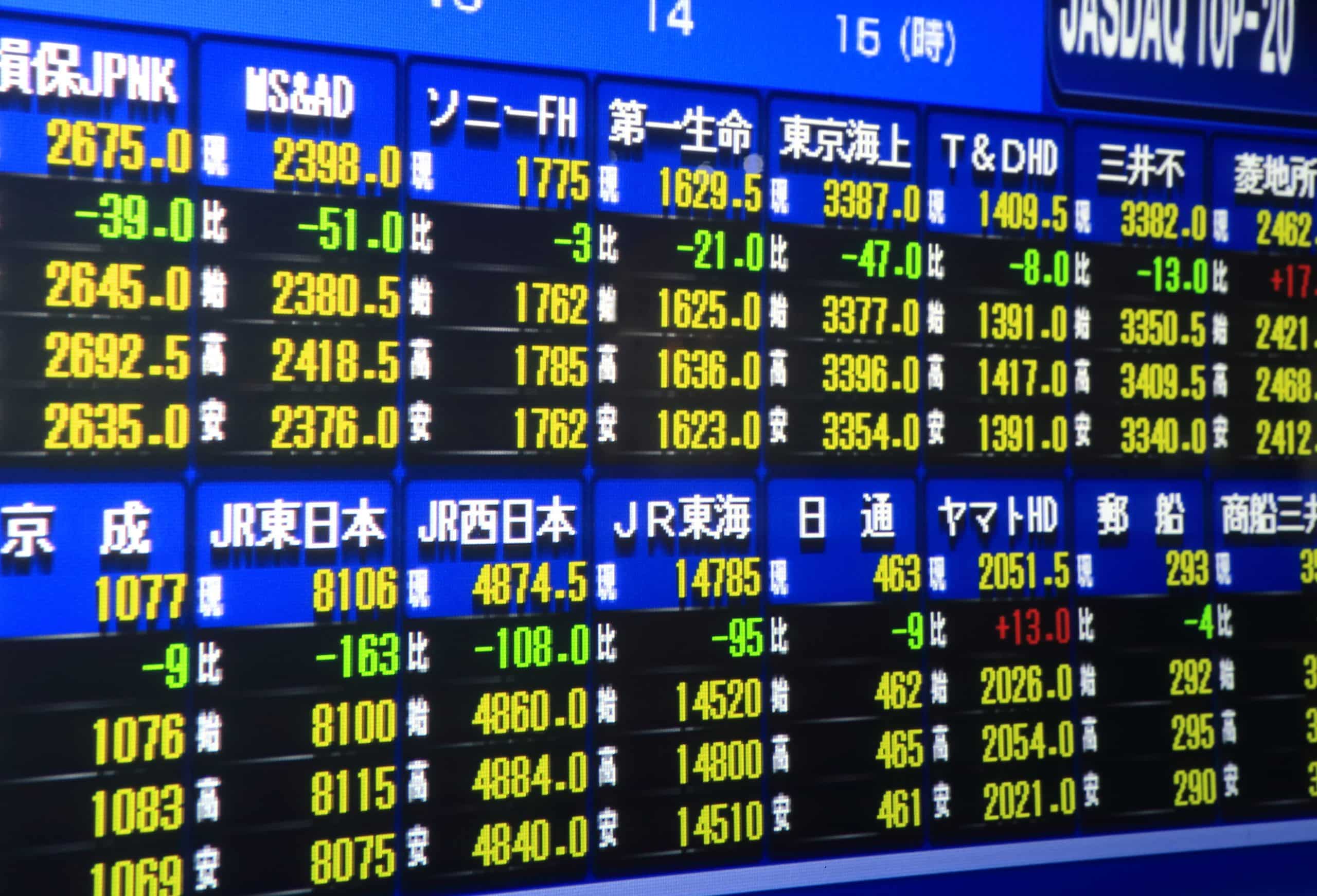
Asian markets opened Friday’s session under notable pressure, with broad-based declines reflecting a deterioration in investor sentiment. Currency strength in the Japanese yen alongside equity weakness signals a shift toward defensive positioning, while regional holidays are thinning liquidity and amplifying volatility.
Equity Markets Under Pressure Across the Region
Asian equities are experiencing a sharp pullback in early Friday trading, with major benchmarks firmly in negative territory. Japan’s Nikkei 225 is leading losses, falling more than 3 percent, indicating heightened risk aversion among global investors. The selloff suggests profit-taking and repositioning ahead of potential macroeconomic catalysts.
India’s S&P BSE Sensex is also down significantly, shedding over 3 percent, reflecting both domestic and global concerns. Meanwhile, Hong Kong’s Hang Seng index has dropped more than 2 percent, pressured by weakness in technology and financial stocks, sectors that remain sensitive to global growth expectations.
Mainland China’s SSE Composite index is also in decline, though less severe, suggesting relative resilience but still reflecting cautious sentiment. Australia’s S&P/ASX 200 is slightly lower, weighed down by commodities and financials, as investors reassess demand outlooks and interest rate expectations.
South Korea’s KOSPI Composite index stands out as a relative outperformer, posting modest gains. This divergence may reflect selective buying in semiconductor and export-driven stocks, though the broader regional tone remains negative.
Currency Strength Signals Defensive Positioning
In currency markets, the Japanese yen index is rising strongly, up over 1 percent, highlighting increased demand for safe-haven assets. This move typically reflects heightened uncertainty or expectations of market stress, reinforcing the bearish tone in equities.
The Australian dollar index is also higher, though to a lesser extent, suggesting mixed sentiment in currency markets. While the Aussie dollar often tracks commodity demand and global growth expectations, its modest gain may indicate temporary positioning rather than a strong bullish signal.
The divergence between currency strength and equity weakness underscores a classic risk-off environment, where investors rotate capital into perceived safe assets while reducing exposure to equities.
Holiday Closures Impact Liquidity and Trading Dynamics
Market activity across Asia and parts of Africa is being significantly influenced by widespread holiday closures. Several key exchanges are closed in observance of Eid al-Fitr, including those in Bahrain, Indonesia, Jordan, Kuwait, Lebanon, Qatar, Saudi Arabia, Türkiye, and the United Arab Emirates. In addition, Japan’s Tokyo Stock Exchange is observing the Vernal Equinox holiday.
African markets are also affected, with closures in Egypt, Nigeria, Rwanda, and Tanzania tied to Eid al-Fitr celebrations. These closures are reducing overall trading volumes and liquidity, which can exacerbate price swings and contribute to sharper intraday volatility in open markets.
The reduced participation from regional investors may also distort price discovery, as fewer market participants are available to absorb selling pressure or provide support.
Outlook: Volatility Likely to Persist Amid Thin Liquidity and Global Uncertainty
Looking ahead, market participants are expected to remain cautious as thin liquidity conditions persist due to ongoing holiday closures. The combination of reduced trading volumes and heightened global uncertainty could continue to amplify volatility in both equities and currencies.
Investors will closely monitor macroeconomic signals, including inflation data, central bank commentary, and geopolitical developments, for direction. The strength in the Japanese yen will be a key indicator of risk sentiment, while equity markets may remain vulnerable to further downside if selling pressure intensifies.
Opportunities may emerge in oversold sectors, particularly in export-driven economies, but risks remain elevated in the near term. As liquidity gradually returns next week, markets may stabilize, but for now, defensive positioning is likely to dominate trading strategies across the region.
Comparison, examination, and analysis between investment houses
Leave your details, and an expert from our team will get back to you as soon as possible
* This article, in whole or in part, does not contain any promise of investment returns, nor does it constitute professional advice to make investments in any particular field.
To read more about the full disclaimer, click here
- sagi habasov
- •
- 7 Min Read
- •
- ago 19 seconds
SKN | Futures Rise Despite Iran Tensions and Inflation Concerns—Can Wall Street Avoid Another Weekly Loss?
U.S. equity futures moved higher in early Friday trading, offering a tentative rebound after a turbulent week dominated by geopolitical
- ago 19 seconds
- •
- 7 Min Read

U.S. equity futures moved higher in early Friday trading, offering a tentative rebound after a turbulent week dominated by geopolitical

- orshu
- •
- 7 Min Read
- •
- ago 4 hours
SKN | Gold Retreats as Higher-for-Longer Rate Expectations Offset Geopolitical Risk Premium
Gold prices moved lower in recent trading sessions as expectations for sustained higher interest rates continued to weigh on
- ago 4 hours
- •
- 7 Min Read

Gold prices moved lower in recent trading sessions as expectations for sustained higher interest rates continued to weigh on
- orshu
- •
- 6 Min Read
- •
- ago 5 hours
SKN | US Markets Mixed on March 19, 2026 as Small Caps Rebound and Volatility Eases
U.S. equity markets closed mixed on Thursday, March 19, 2026, as investors navigated a complex environment marked by easing volatility
- ago 5 hours
- •
- 6 Min Read

U.S. equity markets closed mixed on Thursday, March 19, 2026, as investors navigated a complex environment marked by easing volatility
- orshu
- •
- 7 Min Read
- •
- ago 9 hours
SKN | Israel Market Close – March 19, 2026: Tel Aviv Stocks Stall as Mixed Signals Emerge Across Large Caps and Mid-Caps
Israeli financial markets closed on March 19, 2026 with a mixed performance, as the recent upward momentum showed signs of
- ago 9 hours
- •
- 7 Min Read

Israeli financial markets closed on March 19, 2026 with a mixed performance, as the recent upward momentum showed signs of

