


- Lior mor
- •
- 7 Min Read
- •
- 54 minutes ago
Key Points
- Oil prices remain highly volatile amid conflicting geopolitical signals.
- Energy infrastructure attacks raise fears of long-term supply disruptions.
- Inflation risks grow as oil and gas markets tighten globally.

Crude oil markets are swinging sharply as geopolitical uncertainty collides with supply disruptions, leaving traders struggling to price in the true impact of the ongoing Middle East conflict. Prices surged past $100 per barrel before retreating, reflecting a market caught between escalating infrastructure damage and cautious political signaling. As volatility intensifies, energy markets are becoming a central driver of global inflation expectations and investor sentiment.
Extreme Volatility Reflects Market Uncertainty
Crude prices have entered a period of heightened instability, with U.S. oil briefly climbing above $100 before easing back toward $95, while Brent crude surged near $119 before stabilizing around $109. This wide trading range highlights the uncertainty surrounding the duration and escalation of the conflict.
Comments from Donald Trump and Scott Bessent added to the volatility, as markets reacted to shifting signals on potential military involvement and geopolitical outcomes. Traders are increasingly responding to headlines rather than fundamentals, leading to sharp intraday price swings and reduced trading volumes.
The result is a market environment where positioning becomes more cautious, with many participants stepping to the sidelines amid unpredictable price action.
Energy Infrastructure Attacks Raise Supply Concerns
The conflict has escalated beyond geopolitical rhetoric into direct disruptions of critical energy infrastructure. Strikes on major facilities in Qatar, Saudi Arabia, the United Arab Emirates, and Kuwait have intensified fears of prolonged supply shortages.
Damage to Qatar’s Ras Laffan complex—one of the world’s largest liquefied natural gas hubs—could take years to repair, significantly impacting global LNG supply. Additional disruptions to refineries and export routes across the Gulf further compound the risk of sustained energy shortages.
These developments suggest that even if the conflict subsides, the physical damage to infrastructure may have lasting effects on global energy supply chains, keeping prices elevated for an extended period.
Global Ripple Effects: Inflation and Supply Tightness
The surge in energy prices is already feeding into broader inflation concerns. European gas prices have more than doubled since the onset of the conflict, while global oil benchmarks have risen sharply, reflecting tightening supply conditions.
Higher energy costs are likely to ripple through the global economy, increasing transportation, manufacturing, and consumer expenses. This creates a challenging environment for central banks, which must balance inflation control with economic growth.
The potential for a prolonged energy shock also raises the risk of stagflation—a scenario where rising prices coincide with slowing economic activity—further complicating the outlook for policymakers and investors alike.
Policy Signals vs. Market Reality
Despite the severity of supply disruptions, policymakers have attempted to signal de-escalation. Statements from U.S. officials suggest efforts to stabilize markets, including the possibility of releasing strategic reserves or adjusting sanctions to increase supply.
However, the market remains skeptical. The scale of infrastructure damage and ongoing attacks indicates that supply risks are not easily resolved through policy measures alone. This disconnect between policy messaging and physical supply constraints is contributing to ongoing volatility.
Forward Outlook: How High Can Oil Go?
Looking ahead, oil markets will likely remain highly sensitive to both geopolitical developments and physical supply disruptions. If attacks on critical infrastructure continue or expand, prices could rise significantly, with some projections suggesting levels as high as $150 per barrel under extreme scenarios. Conversely, any credible de-escalation could trigger sharp pullbacks given the current speculative positioning. Investors should closely monitor developments in energy infrastructure, shipping routes, and policy responses, as these factors will determine whether the current volatility evolves into a sustained energy crisis or stabilizes into a new equilibrium with structurally higher prices.
Comparison, examination, and analysis between investment houses
Leave your details, and an expert from our team will get back to you as soon as possible
* This article, in whole or in part, does not contain any promise of investment returns, nor does it constitute professional advice to make investments in any particular field.
To read more about the full disclaimer, click here
- orshu
- •
- 6 Min Read
- •
- ago 3 hours
SKN | Energy Stocks Lead, but Market Breadth Weakens — Can One Sector Sustain the Rally?
Energy stocks have emerged as one of the strongest-performing segments in recent market activity, supported by stable commodity prices
- ago 3 hours
- •
- 6 Min Read
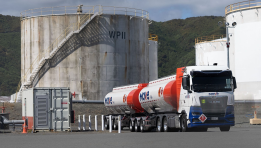
Energy stocks have emerged as one of the strongest-performing segments in recent market activity, supported by stable commodity prices

- omer bar
- •
- 7 Min Read
- •
- ago 6 days
SKN | Oil Holds Above $100 as Iran War Escalates: Could Energy Prices Trigger a New Global Shock?
Oil prices remained above the critical $100-per-barrel level as geopolitical tensions in the Middle East intensified, with the conflict between
- ago 6 days
- •
- 7 Min Read
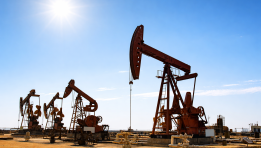
Oil prices remained above the critical $100-per-barrel level as geopolitical tensions in the Middle East intensified, with the conflict between
- omer bar
- •
- 7 Min Read
- •
- ago 7 days
SKN | Can Saudi and UAE Pipelines Offset the Strait of Hormuz Oil Disruption?
The near shutdown of the Strait of Hormuz has forced global energy markets to focus on alternative oil transport routes
- ago 7 days
- •
- 7 Min Read

The near shutdown of the Strait of Hormuz has forced global energy markets to focus on alternative oil transport routes
- orshu
- •
- 7 Min Read
- •
- ago 1 week
SKN | Oil Surge Lifts United States Oil Fund (USO): ETF Jumps Over 8% as Energy Markets Rally
The United States Oil Fund, LP (NYSEArca: USO) posted a strong rally during the March 12 trading session, rising
- ago 1 week
- •
- 7 Min Read

The United States Oil Fund, LP (NYSEArca: USO) posted a strong rally during the March 12 trading session, rising

