


- omer bar
- •
- 6 Min Read
- •
- 24 minutes ago
Key Points
- Iran and Israel have reportedly conducted reciprocal strikes targeting each other’s energy facilities, raising concerns over regional energy security.
- Oil and natural gas markets reacted with heightened volatility, reflecting fears of supply disruptions.
- The conflict could influence geopolitical risk premiums and energy pricing across global markets.
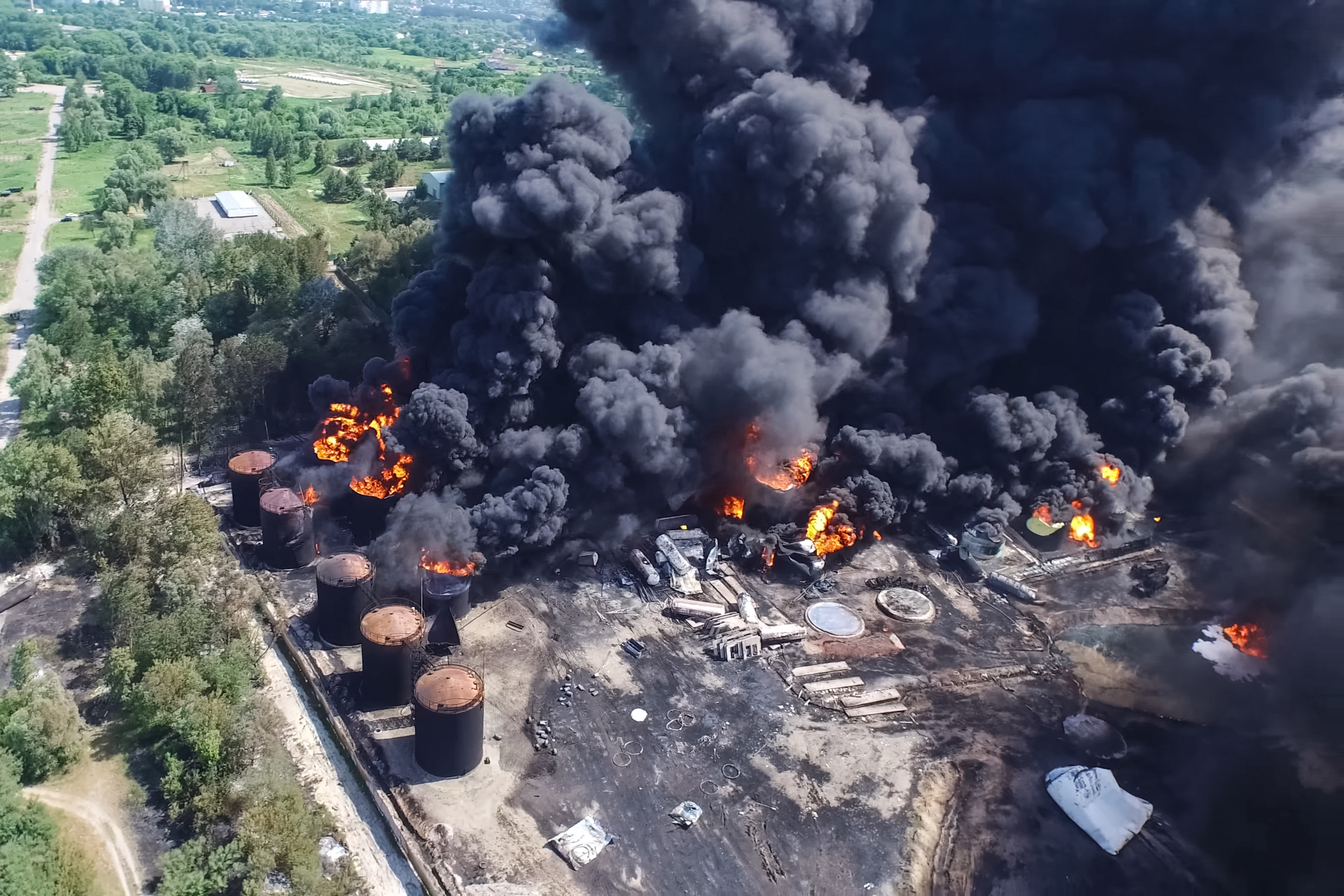
The ongoing escalation between Iran and Israel has extended to attacks on critical energy infrastructure, raising global concern about potential disruptions in oil and gas supplies. Reports indicate that both nations have targeted facilities, highlighting the strategic significance of energy assets in the broader conflict. Investors are monitoring developments closely as geopolitical tensions in the Middle East increasingly intersect with global energy markets.
Impact on Regional Energy Infrastructure
Recent strikes have targeted refineries, pipelines, and associated energy facilities, emphasizing the vulnerability of key infrastructure in conflict zones. Iran has reportedly focused on Israeli installations linked to power generation and fuel processing, while Israel has conducted counterstrikes aimed at Iranian energy-related sites. These actions underscore the strategic importance of energy assets in modern warfare and the potential for rapid escalation if critical supply nodes are disrupted.
Beyond immediate physical damage, the attacks also create operational uncertainty for regional energy producers. Repairs, heightened security measures, and potential workforce disruptions could reduce output capacity temporarily. While no large-scale supply cut has been officially reported, market participants are pricing in elevated risk premiums for crude oil and natural gas, particularly for Middle Eastern benchmarks.
Market Reactions and Global Energy Implications
Oil markets have responded with increased volatility, reflecting investor concerns over supply interruptions. Brent crude and WTI futures both experienced intraday swings exceeding 2 percent, signaling sensitivity to geopolitical developments. Traders are also considering the potential for secondary effects, such as shipping delays in the Persian Gulf and disruptions to international energy trade routes.
The escalation also has broader macroeconomic implications. Higher energy prices can exacerbate inflationary pressures globally and influence central bank policies. Countries heavily reliant on Middle Eastern energy exports are reassessing risk exposure, while import-dependent economies are evaluating potential cost impacts. Israel, in particular, faces the dual challenge of defending critical infrastructure while maintaining energy supply stability for domestic and regional consumption.
Strategic Implications for Israel and Iran
For Israel, the focus remains on protecting energy assets critical to national security and ensuring uninterrupted domestic supply. The targeting of Iranian infrastructure demonstrates a shift toward using energy facilities as strategic leverage in regional conflicts. Iran’s actions, conversely, highlight the role of asymmetric tactics designed to influence Israeli operational readiness and exert pressure on international stakeholders.
The conflict may also affect energy investment patterns in the region. Heightened risk could deter new infrastructure projects or delay existing expansions, affecting long-term production capacity. Regional and global energy firms are likely to reassess insurance, logistics, and security arrangements to mitigate exposure.
Outlook: Monitoring Geopolitical and Energy Risk
Looking forward, the trajectory of Iran-Israel hostilities will be closely watched for its implications on energy supply security and global markets. Key factors include the frequency and scale of further strikes, responses by allied nations, and potential disruption of critical shipping lanes. Investors and policymakers should monitor oil and gas price movements, geopolitical statements, and operational reports from energy producers to gauge emerging risks and opportunities. Sustained tension could maintain elevated risk premiums, impacting both regional and global energy pricing in the near term.
Comparison, examination, and analysis between investment houses
Leave your details, and an expert from our team will get back to you as soon as possible
* This article, in whole or in part, does not contain any promise of investment returns, nor does it constitute professional advice to make investments in any particular field.
To read more about the full disclaimer, click here
- Lior mor
- •
- 6 Min Read
- •
- ago 1 minute
SKN | Gasoline Prices Surge to Highest Level Since March 2022 as Oil Tops $100 per Barrel
Gasoline prices have climbed to levels not seen in over a year, following a sharp rally in global oil markets
- ago 1 minute
- •
- 6 Min Read

Gasoline prices have climbed to levels not seen in over a year, following a sharp rally in global oil markets

- orshu
- •
- 7 Min Read
- •
- ago 5 hours
SKN | Southern Copper Insider Sale Raises Questions: Signal or Routine Portfolio Move?
Southern Copper Corporation has drawn investor attention following a recent insider transaction involving director Palomino Bonilla, who sold shares
- ago 5 hours
- •
- 7 Min Read

Southern Copper Corporation has drawn investor attention following a recent insider transaction involving director Palomino Bonilla, who sold shares
- Lior mor
- •
- 7 Min Read
- •
- ago 7 hours
SKN | Why Is Gold Falling Despite Rising Geopolitical Risks and Inflation Fears?
Gold markets are sending mixed signals as bullion prices extend their longest losing streak in months, even amid rising geopolitical
- ago 7 hours
- •
- 7 Min Read

Gold markets are sending mixed signals as bullion prices extend their longest losing streak in months, even amid rising geopolitical

- Ronny Mor
- •
- 6 Min Read
- •
- ago 1 day
SKN | Oil Price Surge May Hold Fed Rates Steady While Deepening Internal Divisions
Recent spikes in crude oil prices have increased pressure on the Federal Reserve as it prepares for its policy deliberations
- ago 1 day
- •
- 6 Min Read

Recent spikes in crude oil prices have increased pressure on the Federal Reserve as it prepares for its policy deliberations

