


- sagi habasov
- •
- 7 Min Read
- •
- 29 minutes ago
Key Points
- U.S. crude oil prices jumped nearly 10%, significantly narrowing the price gap with the global benchmark Brent crude.
- Strong demand from international buyers seeking additional supply barrels has driven the surge in U.S. oil markets.
- The narrowing spread between WTI and Brent reflects shifting global trade flows and tightening energy market conditions.
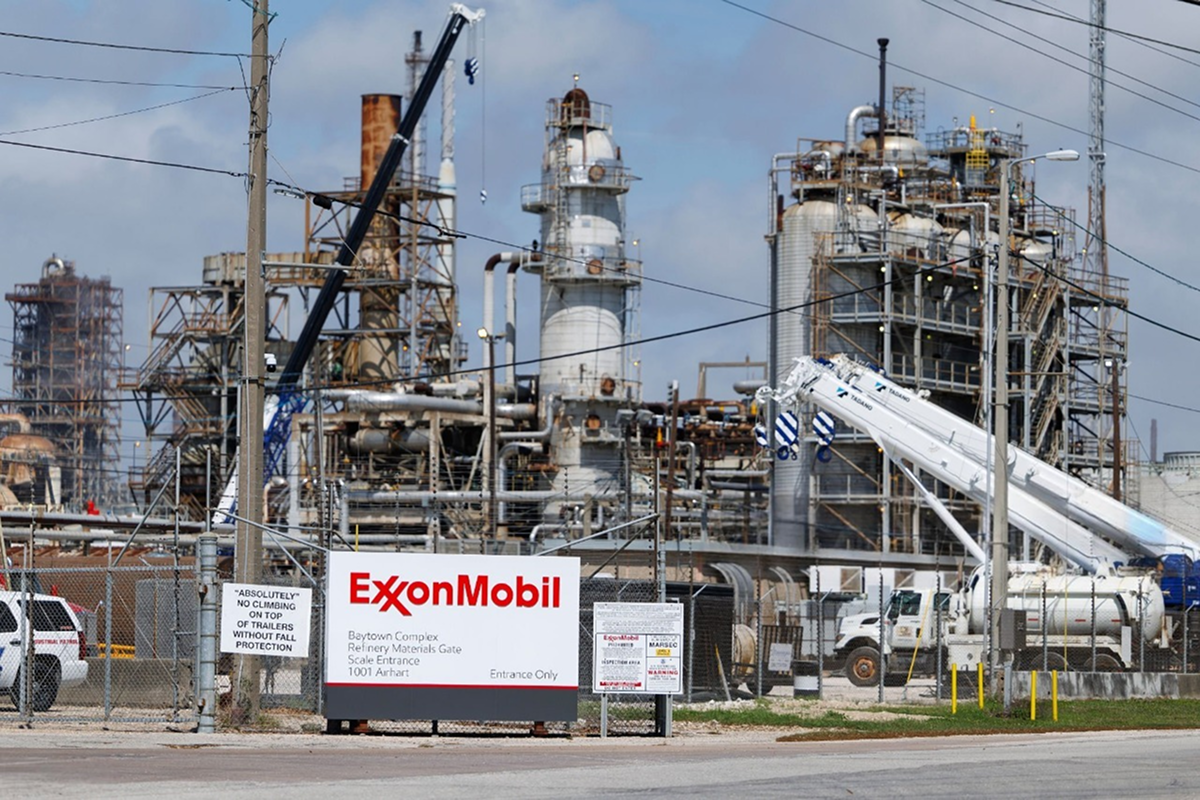
Prices for U.S. crude oil surged nearly 10% in recent trading, rapidly closing the price gap with Brent crude, the global benchmark. The rally reflects strong international demand for U.S. barrels as buyers seek alternative supply amid tightening energy markets. The move highlights the growing importance of U.S. oil exports in balancing global supply and demand dynamics.
Demand Surge Drives U.S. Crude Rally
The sharp rise in West Texas Intermediate (WTI) crude prices reflects a surge in global buying interest for U.S. oil shipments. Over the past decade, the United States has become one of the world’s largest crude exporters, providing a critical source of supply for refineries across Europe and Asia.
When international buyers actively seek additional barrels, the demand for U.S. crude increases, pushing WTI prices higher. In this case, the rally has brought WTI closer to the price of Brent crude, which typically trades at a premium because it reflects global seaborne oil supply.
The narrowing spread between the two benchmarks suggests that U.S. oil has become more competitive in international markets. For global energy traders and refiners, price convergence between WTI and Brent often signals tighter supply conditions or increased demand for specific grades of crude oil.
Global Supply Dynamics Influencing Oil Markets
The recent rally in U.S. crude prices also reflects broader shifts in global oil supply dynamics. Energy markets remain sensitive to geopolitical developments, production decisions from major oil producers, and changes in global demand.
When supply disruptions or logistical constraints affect certain regions, international buyers often turn to alternative suppliers. In recent years, the United States has played an increasingly central role in stabilizing global oil markets due to its large production capacity and export infrastructure.
Additionally, seasonal demand trends can influence crude markets. Refineries often increase purchasing activity during periods of rising fuel consumption, particularly when preparing for peak travel seasons or adjusting to changes in fuel demand patterns.
In this environment, the ability of U.S. producers to respond quickly to price signals and increase exports has strengthened the country’s position in global energy markets.
Impact on Energy Markets and Related Sectors
The surge in U.S. crude prices carries implications for a wide range of financial markets and industries. Higher oil prices can benefit companies operating in the energy exploration, production, and refining sectors, as rising crude prices often translate into improved revenue potential.
Energy stocks frequently move in tandem with oil price trends, meaning rallies in crude prices can support broader performance in the energy sector. Conversely, sustained increases in oil prices may raise concerns about inflation, transportation costs, and input costs for various industries.
Global equity markets also monitor energy prices closely because oil is a key component of the broader macroeconomic environment. Rising oil prices can influence central bank policy expectations, inflation outlooks, and consumer spending patterns.
For countries heavily dependent on energy imports, higher oil prices can place pressure on trade balances and currency stability. Meanwhile, energy-producing nations may benefit from increased export revenues when crude prices rise sharply.
Looking ahead, investors will likely monitor several factors that could influence the trajectory of U.S. crude prices and the WTI-Brent spread. These include global oil supply levels, geopolitical developments, refinery demand trends, and production decisions by major oil-producing nations. If international demand for U.S. crude remains strong, the price gap between WTI and Brent could continue narrowing. At the same time, shifts in global economic growth or unexpected supply increases could quickly alter the balance in energy markets, making oil prices one of the key indicators to watch across global financial markets.
Comparison, examination, and analysis between investment houses
Leave your details, and an expert from our team will get back to you as soon as possible
* This article, in whole or in part, does not contain any promise of investment returns, nor does it constitute professional advice to make investments in any particular field.
To read more about the full disclaimer, click here
- omer bar
- •
- 7 Min Read
- •
- ago 12 minutes
SKN | Could the Iran Conflict Trigger an Aluminum Supply Shock for U.S. Manufacturers?
The escalating conflict involving Iran is beginning to ripple through global metals markets, forcing U.S. aluminum buyers to urgently seek
- ago 12 minutes
- •
- 7 Min Read

The escalating conflict involving Iran is beginning to ripple through global metals markets, forcing U.S. aluminum buyers to urgently seek

- Lior mor
- •
- 5 Min Read
- •
- ago 17 hours
SKN | Silver Price Volatility in 2026: Key Drivers and Investor Considerations
Silver prices have shown increased volatility in 2026, reflecting a combination of macroeconomic factors, industrial demand fluctuations, and ongoing global
- ago 17 hours
- •
- 5 Min Read

Silver prices have shown increased volatility in 2026, reflecting a combination of macroeconomic factors, industrial demand fluctuations, and ongoing global
- omer bar
- •
- 6 Min Read
- •
- ago 17 hours
SKN | US Treasury Considers Action on Oil Futures as Energy Prices Surge
The U.S. Treasury is reportedly exploring options to intervene in the oil futures market as crude prices continue their upward
- ago 17 hours
- •
- 6 Min Read

The U.S. Treasury is reportedly exploring options to intervene in the oil futures market as crude prices continue their upward

- orshu
- •
- 7 Min Read
- •
- ago 22 hours
SKN | Gold Prices Slip as Stronger U.S. Dollar Pressures Bullion While Iran Tensions Keep Safe-Haven Demand in Focus
Gold prices edged lower in recent trading sessions as a firmer U.S. dollar weighed on the precious metal, offsetting
- ago 22 hours
- •
- 7 Min Read

Gold prices edged lower in recent trading sessions as a firmer U.S. dollar weighed on the precious metal, offsetting

