


- Lior mor
- •
- 7 Min Read
- •
- 1 month ago
Key Points
- China’s record solar installations in 2024–2025 contributed to a slight decline in energy-related emissions.
- Renewable capacity growth is offsetting coal generation growth, altering the global carbon trajectory.
- The shift carries implications for energy markets, commodities, and clean-tech investments worldwide.c
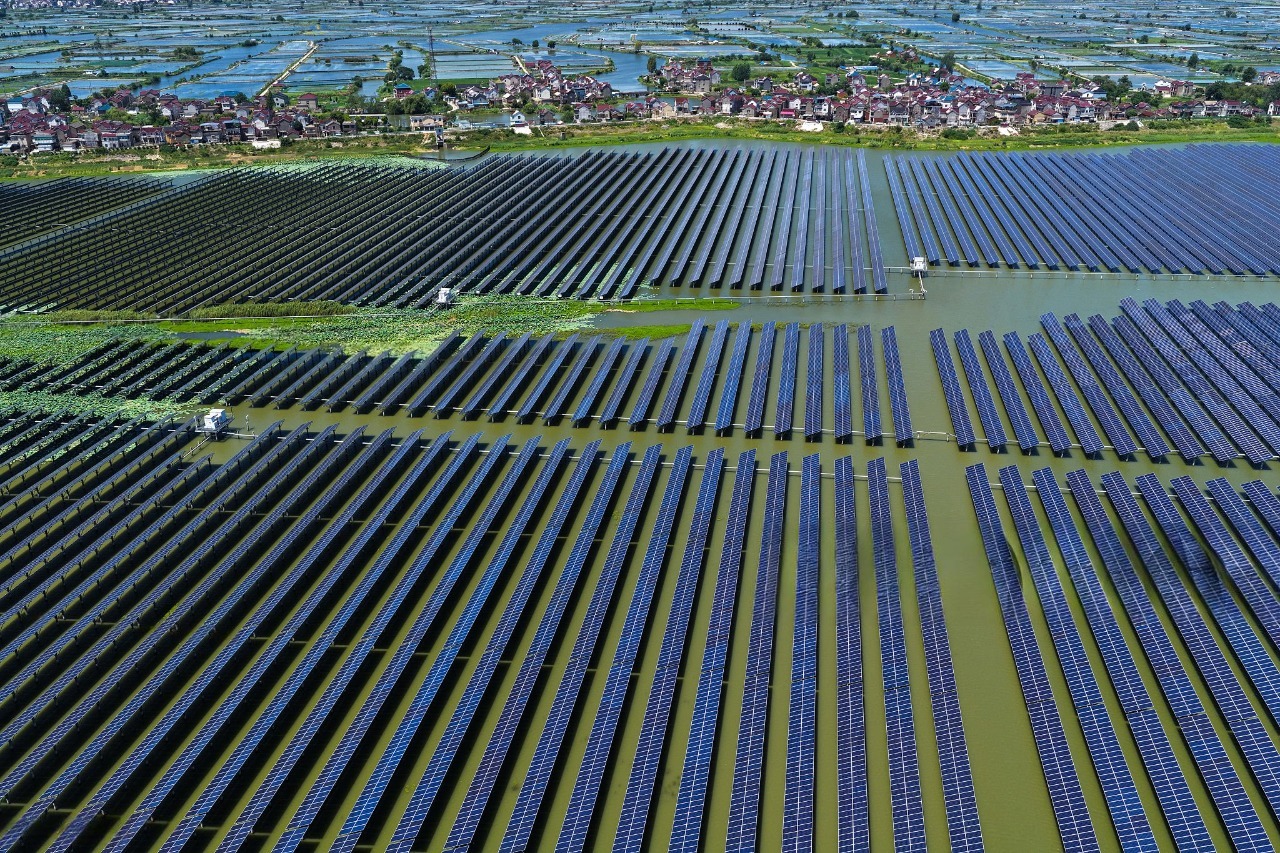
China’s unprecedented expansion in solar power capacity has helped push energy-related carbon emissions slightly lower in 2025, marking a notable shift in the global emissions trend. As the world’s largest emitter and the dominant force in renewable manufacturing, China’s energy mix carries outsized influence over global climate and commodity markets. The latest data suggest that rapid renewable deployment is beginning to counterbalance fossil fuel growth in the country’s power sector.
Record Solar Installations Reshape the Energy Mix
According to data released by China’s National Energy Administration (NEA), the country added a record amount of new solar capacity in 2024, surpassing 200 gigawatts (GW), following similarly strong growth in 2023 when installations exceeded 216 GW. This rapid buildout has continued into 2025, supported by falling panel prices, improved grid integration, and large-scale desert solar projects.
China already accounts for more than 50% of global solar manufacturing capacity, and its domestic deployment has accelerated in parallel. The result has been a measurable increase in renewable generation as a share of total electricity output. Analysts tracking emissions trends have reported a slight year-on-year decline in energy-related CO₂ emissions in early 2025, attributing the shift largely to lower coal-fired power generation during peak solar output periods.
While the decline remains modest, it marks a significant development given that China’s emissions have historically risen alongside economic expansion. The data suggest that the country’s renewable buildout is reaching a scale capable of influencing aggregate emissions, even as electricity demand continues to grow.
Coal Dependence Persists, but Momentum Is Shifting
Despite the positive trend, coal remains a central pillar of China’s energy system, accounting for roughly 60% of electricity generation according to official statistics. New coal plant approvals have continued in recent years, largely driven by energy security concerns. However, actual utilization rates have moderated as renewable capacity expands.
The interplay between coal expansion and renewable growth is critical for global carbon markets. If solar and wind additions consistently outpace incremental coal generation, emissions intensity could gradually decline even in a growing economy. For global investors, this dynamic influences expectations for carbon pricing, demand for liquefied natural gas, and long-term oil consumption forecasts.
Commodity markets have already reflected shifting sentiment. Weaker-than-expected coal demand growth in Asia has weighed on thermal coal prices in recent quarters, while supply chains tied to photovoltaic components—such as polysilicon and copper—remain highly active.
Global and Israeli Market Implications
China’s emissions trajectory has global ramifications. As the largest contributor to global CO₂ output, even marginal changes in its energy profile can influence worldwide climate targets and international policy negotiations. A sustained emissions plateau or decline would ease pressure on other major economies and potentially recalibrate global carbon offset markets.
For Israeli investors, the development carries dual relevance. First, Israel’s institutional portfolios often include exposure to global clean energy ETFs and renewable infrastructure funds, many of which are sensitive to Chinese manufacturing dynamics. Second, lower global fossil fuel demand growth could affect energy import costs and inflation expectations, indirectly shaping Bank of Israel policy considerations.
At the same time, risks remain. Grid bottlenecks, curtailment issues, and regional demand volatility could slow the pace of emissions reduction. Additionally, industrial activity rebounds or extreme weather events may temporarily boost coal usage.
Looking ahead, market participants will monitor quarterly generation data, coal utilization rates, and renewable investment flows to determine whether 2025 marks a structural inflection point or merely a cyclical pause in emissions growth. If China sustains its current solar deployment trajectory while managing grid integration effectively, the global energy transition narrative could gain renewed credibility—reshaping long-term assumptions across commodities markets, climate policy, and capital allocation strategies.
Comparison, examination, and analysis between investment houses
Leave your details, and an expert from our team will get back to you as soon as possible
* This article, in whole or in part, does not contain any promise of investment returns, nor does it constitute professional advice to make investments in any particular field.
To read more about the full disclaimer, click here
- sagi habasov
- •
- 9 Min Read
- •
- ago 10 minutes
SKN | Is Russia’s Services Sector Losing Momentum as Demand Weakens and Costs Stay Elevated?
Russia’s services sector showed renewed signs of strain in March 2026, as the S&P Global Russia Services PMI dropped to
- ago 10 minutes
- •
- 9 Min Read

Russia’s services sector showed renewed signs of strain in March 2026, as the S&P Global Russia Services PMI dropped to

- Lior mor
- •
- 6 Min Read
- •
- ago 17 hours
SKN | US Energy Independence or Market Illusion? Why Global Oil Dynamics Still Matter
Recent remarks suggesting that the United States is “totally independent of the Middle East” have reignited debate over the
- ago 17 hours
- •
- 6 Min Read

Recent remarks suggesting that the United States is “totally independent of the Middle East” have reignited debate over the
- sagi habasov
- •
- 9 Min Read
- •
- ago 1 day
SKN | Is “Mild Stagflation” the New Reality as Oil Stays Near $100 Amid Iran War Disruptions?
Bank of America has sharply revised its global economic outlook, warning that the ongoing Iran conflict is driving a “mild
- ago 1 day
- •
- 9 Min Read

Bank of America has sharply revised its global economic outlook, warning that the ongoing Iran conflict is driving a “mild

- omer bar
- •
- 6 Min Read
- •
- ago 1 day
SKN | Australia Extends $693 Million in Low-Cost Loans to Businesses to Ease Fuel Price Pressures
Amid rising fuel prices and supply constraints, the Australian government has introduced a $693 million low-interest loan program for businesses.
- ago 1 day
- •
- 6 Min Read

Amid rising fuel prices and supply constraints, the Australian government has introduced a $693 million low-interest loan program for businesses.


