


- Lior mor
- •
- 6 Min Read
- •
- 7 hours ago
Key Points
- Ray Dalio has reduced exposure to several U.S. technology stocks, reflecting broader concerns about America’s fiscal and geopolitical trajectory.
- The shift underscores rising sensitivity to debt levels, interest rates, and structural imbalances in the U.S. economy.
- Investors are reassessing portfolio concentration in mega-cap tech amid evolving macro risks.
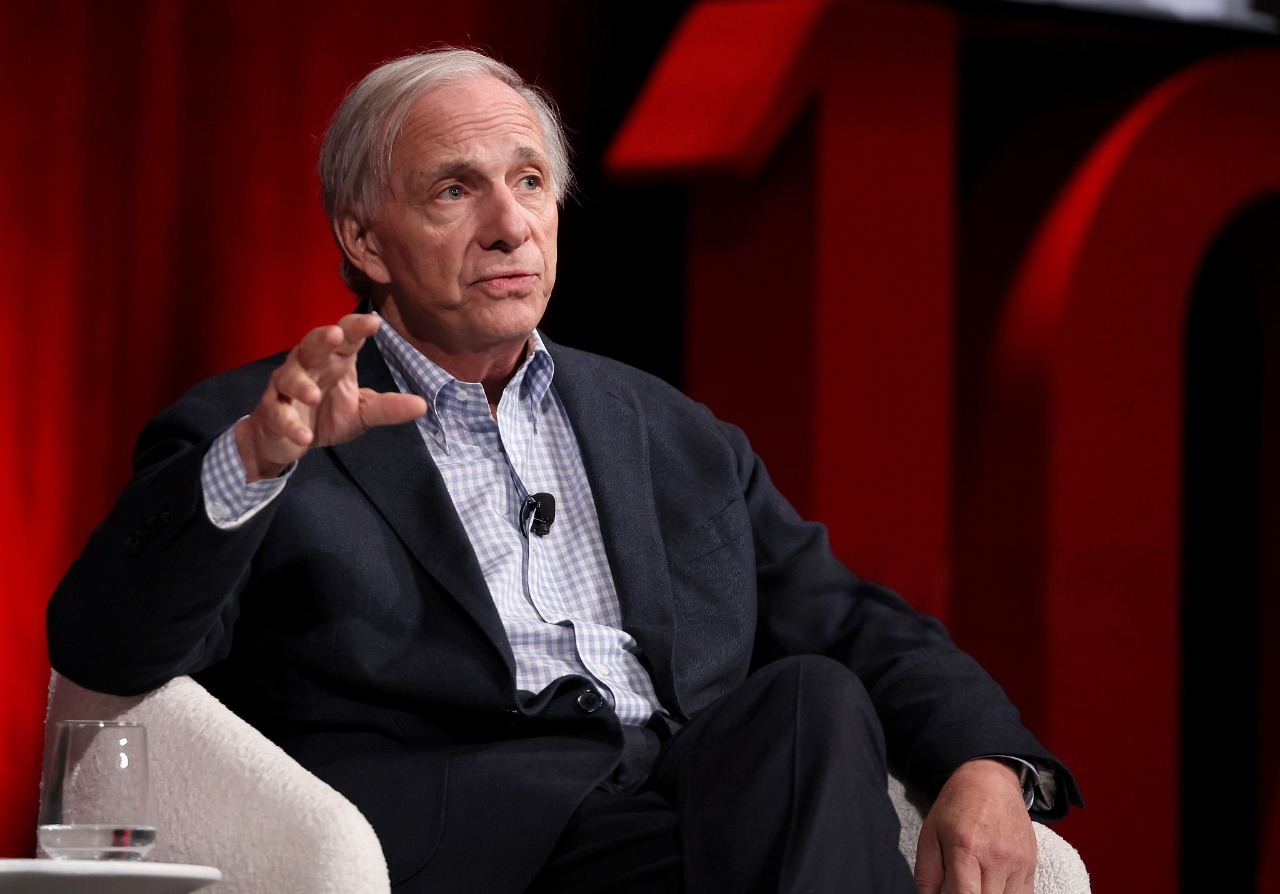
Ray Dalio, founder of Bridgewater Associates and one of the world’s most closely followed macro investors, has signaled a more cautious stance toward the United States while trimming exposure to selected technology holdings. The move comes as U.S. equity markets hover near elevated levels, supported by AI-driven momentum but increasingly exposed to fiscal and monetary headwinds.
Macro Concerns: Debt, Rates and Structural Pressures
Dalio has long warned about structural debt cycles and fiscal sustainability. U.S. government debt has surpassed $34 trillion, while higher interest rates have increased borrowing costs for both the public and private sectors. In this context, concerns about long-term fiscal stability are no longer theoretical—they are influencing capital allocation decisions.
Rising Treasury yields compress valuation multiples, particularly for high-growth technology companies whose valuations depend on discounted future cash flows. Even modest changes in long-term rate expectations can materially affect the present value of earnings projections. Dalio’s portfolio adjustments appear aligned with a broader recognition that the era of ultra-low rates has structurally shifted.
Geopolitical tensions and global trade realignment further complicate the outlook. Investors must now consider not only earnings growth but also sovereign risk, currency stability, and geopolitical fragmentation.
Why Big Tech Is Under Scrutiny
Technology giants have driven a significant portion of U.S. equity gains in recent years, particularly companies tied to artificial intelligence, cloud computing, and digital infrastructure. However, concentrated exposure to a small group of mega-cap stocks increases systemic portfolio risk.
Dalio’s trimming of selected technology positions reflects valuation awareness rather than a wholesale rejection of innovation. Many tech stocks trade at premiums relative to historical averages, justified by robust earnings growth and AI-driven capital expenditure cycles. Yet high expectations leave limited room for disappointment.
For institutional investors globally, including those in Israel with diversified allocations to U.S. technology through pension funds and ETFs, the concentration of returns in a narrow segment raises strategic questions about risk management and diversification.
Capital Rotation and Global Diversification
Bridgewater has historically emphasized diversification across geographies and asset classes. A reduced emphasis on U.S. technology may signal a rebalancing toward international markets, commodities, or defensive sectors. In an environment characterized by fiscal expansion, currency volatility, and inflation uncertainty, asset allocation discipline becomes paramount.
Emerging markets, infrastructure investments, and inflation-linked assets may gain renewed relevance if macro instability intensifies. At the same time, technology remains a core structural growth driver, meaning wholesale avoidance is unlikely. The debate centers on weighting and valuation, not on abandoning the sector entirely.
Looking ahead, investors will closely monitor U.S. fiscal policy developments, Federal Reserve rate trajectories, and corporate earnings resilience. Risks include sustained high interest rates, slowing growth, and geopolitical escalation. Opportunities may arise in regions or sectors less dependent on extended valuation multiples. Dalio’s repositioning serves as a reminder that even in bull markets, macro fundamentals and diversification principles remain central to long-term capital preservation and risk-adjusted returns.
Comparison, examination, and analysis between investment houses
Leave your details, and an expert from our team will get back to you as soon as possible
* This article, in whole or in part, does not contain any promise of investment returns, nor does it constitute professional advice to make investments in any particular field.
To read more about the full disclaimer, click here
- omer bar
- •
- 6 Min Read
- •
- ago 7 hours
SKN | Bought Tesla at $17 in 2010: What a 15-Year Hold Reveals About Compounding, Volatility and Wealth Creation
An investor who purchased Tesla shares at $17 during its 2010 IPO would have experienced one of the most
- ago 7 hours
- •
- 6 Min Read
An investor who purchased Tesla shares at $17 during its 2010 IPO would have experienced one of the most

- Ronny Mor
- •
- 6 Min Read
- •
- ago 7 hours
SKN | Amazon’s Free Cash Flow Question: Is Slower Cash Generation Undermining the Investment Case?
Amazon has re-entered the spotlight after commentary suggesting that reduced free cash flow makes the stock “difficult to own”
- ago 7 hours
- •
- 6 Min Read

Amazon has re-entered the spotlight after commentary suggesting that reduced free cash flow makes the stock “difficult to own”

- sagi habasov
- •
- 7 Min Read
- •
- ago 8 hours
SKN | Ford Unveils Lower-Cost EV Platform: Can a Midsize Electric Pickup Reset the Profitability Equation?
Ford Motor Company has revealed further details about its next-generation, lower-cost electric vehicle platform, with a midsize electric pickup
- ago 8 hours
- •
- 7 Min Read
Ford Motor Company has revealed further details about its next-generation, lower-cost electric vehicle platform, with a midsize electric pickup

- Lior mor
- •
- 6 Min Read
- •
- ago 1 day
SKN | Lucid Group Near Record Lows: Deep Value Opportunity or Prolonged EV Struggle?
Lucid Group’s stock remains close to historic lows, underscoring investor skepticism toward early-stage electric vehicle manufacturers in a more
- ago 1 day
- •
- 6 Min Read

Lucid Group’s stock remains close to historic lows, underscoring investor skepticism toward early-stage electric vehicle manufacturers in a more

