


- Lior mor
- •
- 7 Min Read
- •
- 2 days ago
Key Points
- Cuba has postponed its flagship cigar festival amid a worsening fuel crisis.
- The suspension follows tightened U.S. pressure that has sharply reduced Venezuelan oil flows to the island.
- The energy shortage is straining essential services and raising humanitarian concerns.
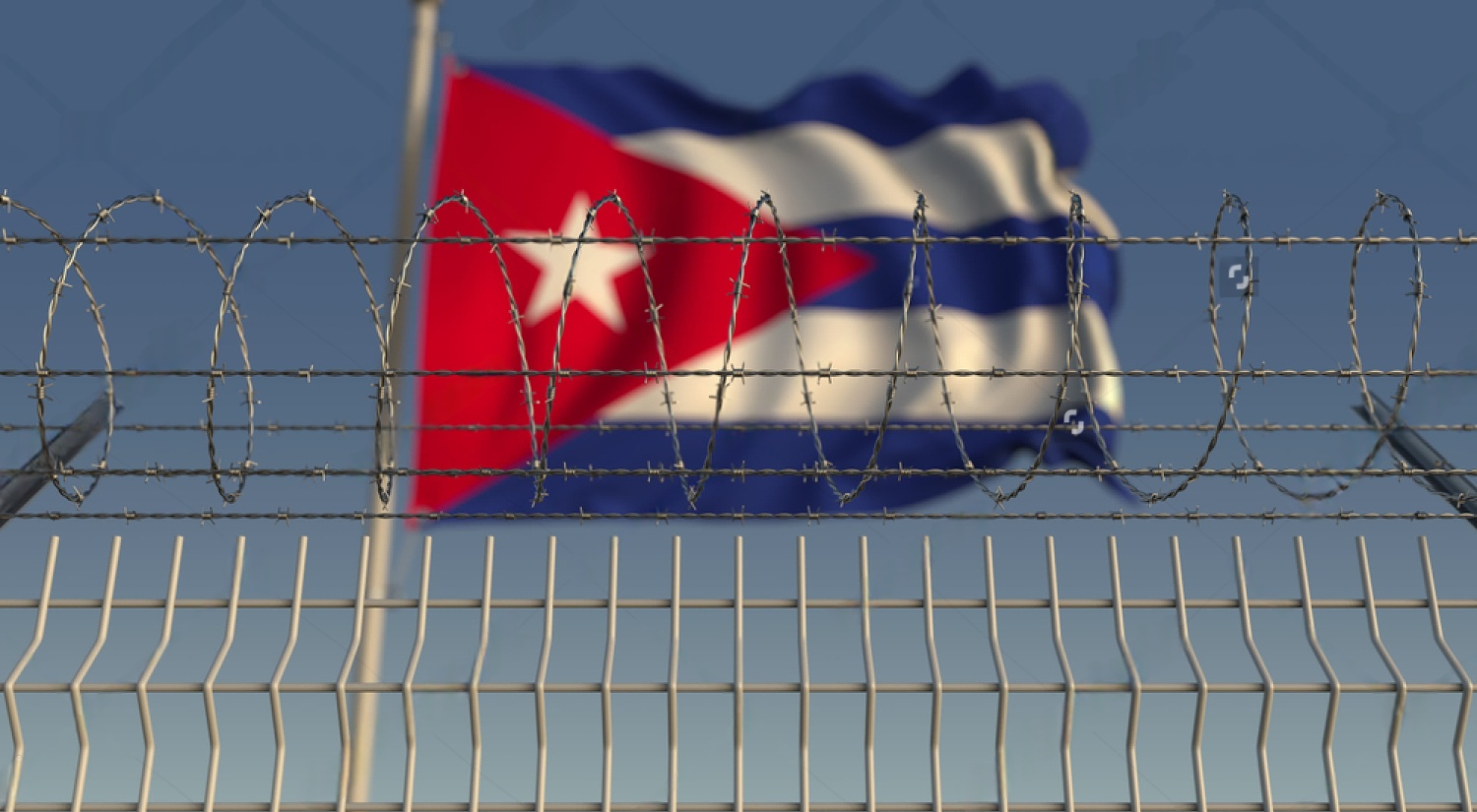
Cuba has suspended its internationally renowned Havana cigar festival as the island grapples with a deepening economic and energy crisis triggered by intensified U.S. pressure on its oil supplies. The five-day event, typically held in late February and drawing more than 1,000 guests from around 80 countries, has been postponed indefinitely, according to state-run cigar company Habanos S.A.
The decision underscores the severity of Cuba’s current fuel shortages. Habanos said the move was intended to preserve the “highest standards of quality, excellence and experience” associated with the event, but the underlying cause is widely understood to be the country’s deteriorating energy situation.
Oil Blockade Strains an Already Fragile Economy
Cuba’s economy, still recovering from pandemic-era disruptions and long-standing structural weaknesses, now faces acute pressure following Washington’s tightening of restrictions on Venezuelan oil shipments. Since early January, U.S. measures have effectively curbed the flow of subsidized Venezuelan crude that Cuba relies on to power electricity generation and transportation networks.
President Donald Trump’s administration has labeled Cuba’s government “an unusual and extraordinary threat” and pledged tariffs on countries supplying it with oil. These steps have compounded an already fragile supply chain, leaving the island struggling to maintain fuel for power plants, hospitals and public transport.
The United Nations has raised alarms over the situation. A spokesperson for Secretary-General António Guterres warned that without stable oil supplies, Cuba risks humanitarian “collapse.” Fuel rationing has intensified, and authorities have prioritized essential services while cutting back on non-critical activities.
Cigars: A Symbolic and Economic Casualty
The cancellation of the cigar festival is economically and symbolically significant. Premium Cuban cigars are one of the country’s most valuable exports and a key source of hard currency. Habanos reported record sales of $827 million in 2024, a 16% year-on-year increase, reflecting strong demand in Europe and Asia.
The annual festival serves not only as a marketing platform but also as a major networking and auction event for distributors and collectors. Its suspension signals the broader strain on Cuba’s tourism and export sectors, both of which are vital for securing foreign exchange.
Although Cuban cigars remain illegal in the United States under the decades-old trade embargo, the global market remains robust. However, logistical disruptions and energy shortages now threaten production consistency and distribution timelines.
Political Pressure and Strategic Uncertainty
The latest escalation marks one of the most serious economic tests for Cuba’s communist government since the collapse of the Soviet Union. Reduced oil imports limit electricity generation, industrial output and transportation—critical components of economic stability.
For Washington, the strategy appears aimed at increasing leverage over Havana while simultaneously isolating Venezuela. For Cuba, the immediate challenge is managing shortages without triggering widespread social unrest.
Going forward, markets and policymakers will watch whether alternative energy partnerships emerge, whether diplomatic channels reopen, or whether further sanctions deepen the crisis. The trajectory of oil flows to the island will likely determine not only the fate of major cultural events like the
Comparison, examination, and analysis between investment houses
Leave your details, and an expert from our team will get back to you as soon as possible
* This article, in whole or in part, does not contain any promise of investment returns, nor does it constitute professional advice to make investments in any particular field.
To read more about the full disclaimer, click here
- Ronny Mor
- •
- 7 Min Read
- •
- ago 2 minutes
SKN | $36 Billion Strategic Shift: Japan Commits Major US Investment Under Trump-Era Agreement
Japan is preparing to invest approximately $36 billion in US projects under a bilateral economic arrangement originally structured during the
- ago 2 minutes
- •
- 7 Min Read
Japan is preparing to invest approximately $36 billion in US projects under a bilateral economic arrangement originally structured during the

- sagi habasov
- •
- 6 Min Read
- •
- ago 4 days
SKN | Potential Steel and Aluminum Tariff Rollback Signals Broader Shift Toward Affordability Agenda
Markets are assessing reports that former President Donald Trump may consider rolling back steel and aluminum tariffs if re-elected,
- ago 4 days
- •
- 6 Min Read
Markets are assessing reports that former President Donald Trump may consider rolling back steel and aluminum tariffs if re-elected,

- Lior mor
- •
- 9 Min Read
- •
- ago 4 days
SKN | Donald Trump Plans to Roll Back Steel and Aluminium Tariffs Amid Affordability Crisis and Midterm Election Pressure
Former President Donald Trump is preparing to ease parts of his aggressive tariff regime on steel and aluminium goods, signaling
- ago 4 days
- •
- 9 Min Read

Former President Donald Trump is preparing to ease parts of his aggressive tariff regime on steel and aluminium goods, signaling

- omer bar
- •
- 6 Min Read
- •
- ago 5 days
SKN | Why the U.S. Move to Blacklist Alibaba and BYD Signals a New Phase in Tech-Geopolitical Tensions
The U.S. Department of Defense has added Alibaba Group, Baidu and BYD to its Section 1260H list of companies deemed
- ago 5 days
- •
- 6 Min Read

The U.S. Department of Defense has added Alibaba Group, Baidu and BYD to its Section 1260H list of companies deemed

