


- Lior mor
- •
- 7 Min Read
- •
- 2 months ago
Key Points
- AI-driven data center growth is amplifying electricity demand nationwide.
- Policymakers agree tech firms should pay more, but definitions of “fair share” vary widely.
- Rising utility bills are becoming a political and regulatory battleground ahead of midterm elections.
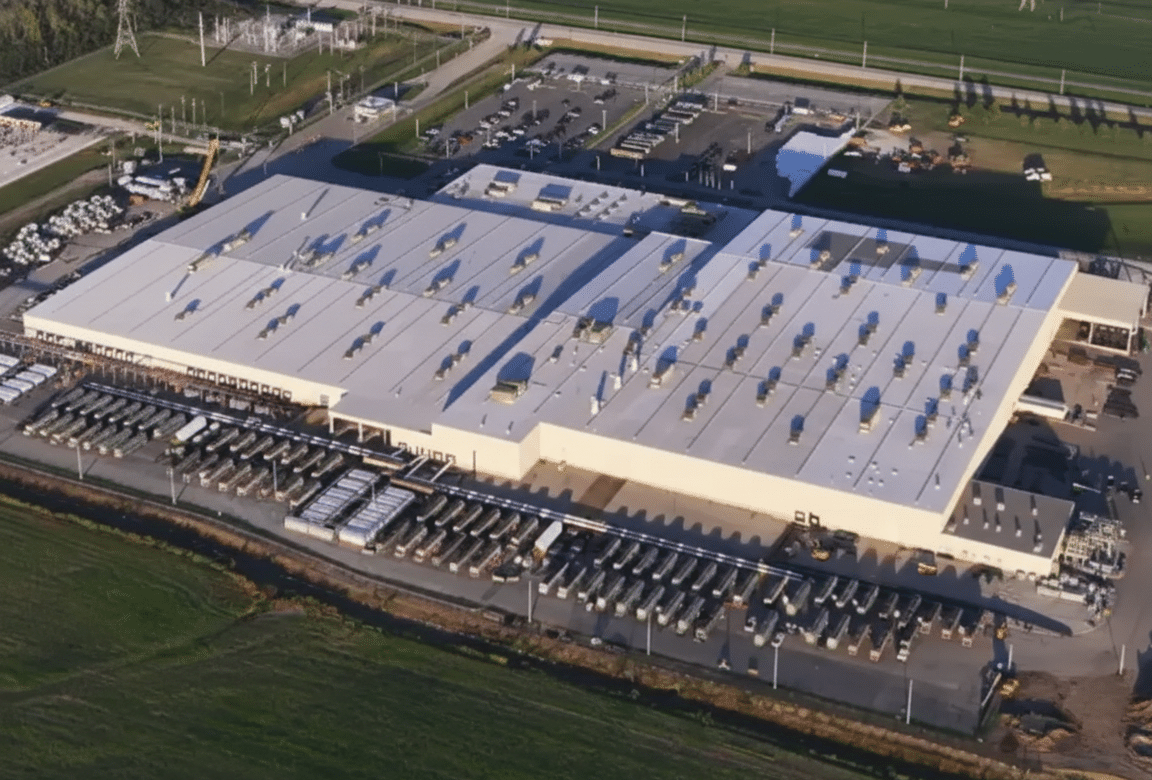
As electricity demand from artificial intelligence accelerates across the United States, a new political flashpoint is emerging: who pays for the massive power draw of data centers. From Washington to state capitals, lawmakers are converging on one message — technology companies should shoulder the burden. Yet beyond that slogan, consensus quickly dissolves. With electricity prices rising and inflation still a sensitive political issue, the cost of powering AI is becoming entangled with voter frustration over household utility bills.
The Energy Arms Race Behind AI
The explosive growth of generative AI has triggered a data center construction boom. Facilities resembling industrial warehouses now consume electricity at levels comparable to small cities. In some regions, utilities have never served a single customer with such concentrated demand.
To meet that surge, utilities must expand generation capacity, build new transmission lines and secure fuel supply — investments typically recovered through regulated rate structures. The concern among consumer advocates is straightforward: if infrastructure is built primarily to serve data centers, will ordinary ratepayers absorb part of the cost?
In competitive power markets, rising demand can lift wholesale electricity prices, especially when supply expansion lags. Analysts note that short-term power shortages create bidding dynamics where highly profitable tech firms can effectively outcompete residential consumers for available electricity. That imbalance feeds the perception that AI’s growth could indirectly inflate household energy bills.
What Does “Fair Share” Really Mean?
Technology companies publicly commit to paying their “fair share,” but that phrase remains legally and economically ambiguous. Some states now require long-term power purchase agreements, upfront deposits and direct funding for transmission upgrades. These mechanisms aim to isolate infrastructure costs from general ratepayers.
Yet structural challenges remain. Even if data centers pay for dedicated generation assets, broader grid impacts — including congestion, reserve margins and natural gas pricing — can ripple across the system. Consumer groups in states like Oregon, Indiana and Georgia argue that secondary cost effects still land on households.
At the federal level, debate has sharpened. Republicans frequently attribute rising costs to renewable energy mandates and transmission expansion, while Democrats focus on limiting utility profits and shielding residential customers. The Federal Energy Regulatory Commission has been drawn into the controversy as lawmakers press for faster infrastructure approvals alongside stronger consumer protections.
Politics, Perception and the 2026 Election Cycle
Electricity costs are increasingly intersecting with electoral politics. In some regions, regulatory officials have already lost reelection bids amid voter dissatisfaction over rising bills. Governors who once competed aggressively to attract data center investment are recalibrating their messaging, proposing new fees, revisiting tax incentives and tightening oversight.
President Donald Trump continues to frame artificial intelligence as a national priority but has acknowledged public concern, stating data centers must “pay their own way.” The tension reflects a broader policy dilemma: encouraging technological leadership while preventing economic backlash from rising living costs.
For investors and policymakers alike, the issue carries macroeconomic implications. If regulatory costs rise materially, data center expansion timelines could slow. Conversely, insufficient safeguards could intensify political risk and regulatory intervention later.
The debate is unlikely to resolve quickly. As AI adoption deepens and electricity demand accelerates into 2026, markets will watch closely how states structure tariffs, contracts and grid cost allocation frameworks. The ultimate balance between innovation and affordability may shape not only energy policy, but also the political climate heading into the next election cycle.
Comparison, examination, and analysis between investment houses
Leave your details, and an expert from our team will get back to you as soon as possible
* This article, in whole or in part, does not contain any promise of investment returns, nor does it constitute professional advice to make investments in any particular field.
To read more about the full disclaimer, click here
- omer bar
- •
- 6 Min Read
- •
- ago 9 hours
SKN | APM Terminals Expands Rail Capacity at Port of Los Angeles: Supply Chain Efficiency Enters a New Phase
APM Terminals has completed a $73 million rail expansion project at the Port of Los Angeles, marking a significant
- ago 9 hours
- •
- 6 Min Read

APM Terminals has completed a $73 million rail expansion project at the Port of Los Angeles, marking a significant

- orshu
- •
- 6 Min Read
- •
- ago 13 hours
SKN | Trump’s $2.2 Trillion Budget Plan: Defense Expansion Signals Strategic Shift in US Fiscal Policy
Former President Donald Trump’s proposed $2.2 trillion federal budget is drawing attention across global financial markets, as it combines
- ago 13 hours
- •
- 6 Min Read
Former President Donald Trump’s proposed $2.2 trillion federal budget is drawing attention across global financial markets, as it combines

- Ronny Mor
- •
- 10 Min Read
- •
- ago 19 hours
SKN | Why Is Gasoline $15 in Hong Kong While U.S. Prices Hover Near $4?
As gasoline prices in the United States climb toward $4 per gallon, global disparities in fuel costs are becoming increasingly
- ago 19 hours
- •
- 10 Min Read

As gasoline prices in the United States climb toward $4 per gallon, global disparities in fuel costs are becoming increasingly

- Lior mor
- •
- 9 Min Read
- •
- ago 22 hours
SKN | Is the U.S. Labor Market Stabilizing After February’s Shock Decline?
The U.S. labor market is expected to regain some footing in March 2026, with forecasts pointing to a gain of
- ago 22 hours
- •
- 9 Min Read

The U.S. labor market is expected to regain some footing in March 2026, with forecasts pointing to a gain of

