


- Lior mor
- •
- 7 Min Read
- •
- 2 months ago
Key Points
- Taiwan’s economy expanded 8.6% in 2025, marking its strongest growth since 2010 as AI-driven exports surged.
- Technology shipments to the US soared, underpinned by demand for semiconductors, AI servers, and advanced hardware.
- Economists warn growth will normalize in 2026 as risks around geopolitics, tariffs, and a potential AI slowdown intensify.
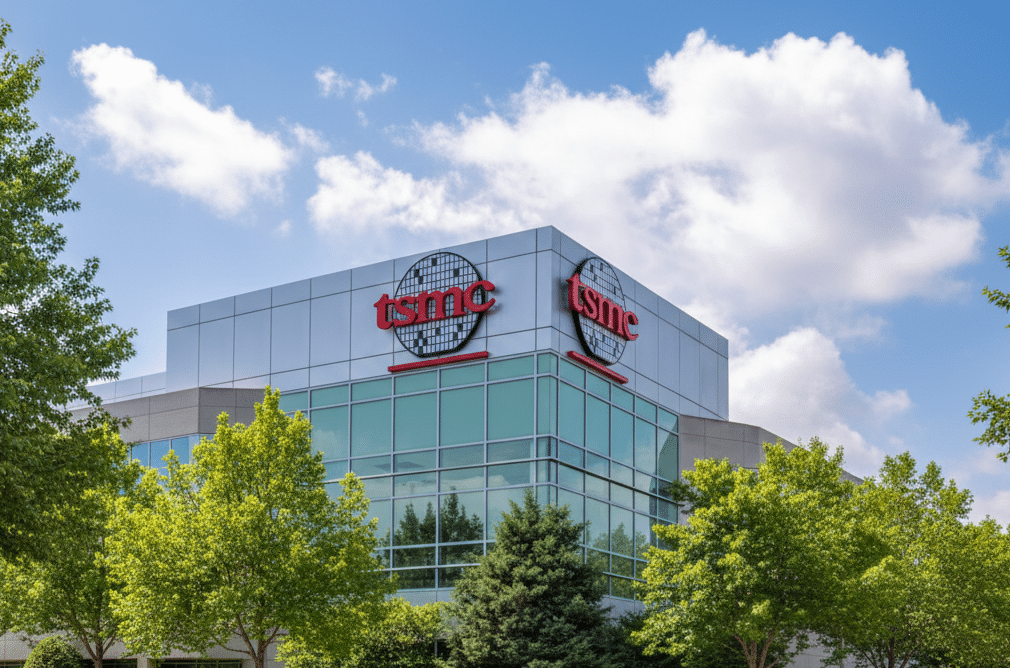
Taiwan’s economy delivered a standout performance in 2025, expanding by 8.6% year-on-year, the fastest pace in 15 years and well above market expectations. The surge underscores how deeply the island has become embedded in the global artificial intelligence supply chain, with export momentum and technology investment offsetting global growth uncertainty. For investors and policymakers alike, the result highlights both Taiwan’s strategic importance—and its rising exposure to cyclical and geopolitical risks.
AI Exports Power a Breakout Year
The primary driver behind the acceleration was exports, which jumped nearly 35% over the year, led by technology-intensive shipments. Deliveries to the United States surged an extraordinary 78%, reflecting the scale of American investment in AI infrastructure and data centers. Taiwan has emerged as a critical manufacturing hub for AI servers, advanced semiconductors, and precision components, positioning it at the center of the current global tech cycle.
Flagship companies such as Taiwan Semiconductor Manufacturing Company and Foxconn played a pivotal role. TSMC, the world’s largest contract chipmaker and a key supplier to Nvidia, benefited directly from surging demand for high-end AI processors. Foxconn, meanwhile, ramped up production of AI servers and continued its role as a major assembler for Apple products, amplifying export volumes and corporate profitability across the sector.
Trade Policy Adds a Tailwind—for Now
Momentum was further supported by a recent trade arrangement between Taiwan and the US administration led by Donald Trump. Under the deal, US tariffs on imports from Taiwan were reduced to 15% from 20% in exchange for commitments of at least $250 billion in US-based investment, particularly in semiconductors and AI-related industries. Economists see this as a near-term boost to exports and capital flows, reinforcing Taiwan’s role in America’s technology strategy.
Bank of America analysts have noted that AI-related demand is likely to continue underpinning Taiwan’s export performance into 2026, provided global investment in AI infrastructure remains robust. The spillover effects are visible not just in trade data, but also in employment, corporate earnings, and fiscal revenues.
Risks Beneath the Surface
Despite the headline strength, economists broadly expect growth to moderate this year as the economy cycles off a high base. Deutsche Bank, for example, forecasts growth of around 4.8% in 2026—still solid, but far below last year’s exceptional pace. A key concern is whether the AI boom proves durable or begins to resemble a speculative bubble, given Taiwan’s heavy dependence on tech exports.
Geopolitics adds another layer of uncertainty. Tensions with China, which claims Taiwan as its territory, remain elevated after large-scale military drills late last year. At the same time, shifting US tariff policies and broader global trade fragmentation could introduce new volatility into export flows.
Looking Ahead
Taiwan enters 2026 from a position of strength, anchored by its dominance in AI-related manufacturing and deep integration with US technology supply chains. However, sustaining momentum will depend on the durability of global AI investment, careful navigation of US-China tensions, and diversification beyond a single technology cycle. For investors, Taiwan remains a compelling growth story—but one increasingly defined by concentration risk and geopolitical sensitivity.
Comparison, examination, and analysis between investment houses
Leave your details, and an expert from our team will get back to you as soon as possible
* This article, in whole or in part, does not contain any promise of investment returns, nor does it constitute professional advice to make investments in any particular field.
To read more about the full disclaimer, click here
- Ronny Mor
- •
- 6 Min Read
- •
- ago 21 hours
SKN | IMF Warns Tokenized Finance Could Amplify Market Crises: Innovation Meets Systemic Risk
The International Monetary Fund (IMF) has raised concerns that the rapid growth of tokenized finance could introduce new vulnerabilities
- ago 21 hours
- •
- 6 Min Read
The International Monetary Fund (IMF) has raised concerns that the rapid growth of tokenized finance could introduce new vulnerabilities

- omer bar
- •
- 6 Min Read
- •
- ago 2 days
SKN | APM Terminals Expands Rail Capacity at Port of Los Angeles: Supply Chain Efficiency Enters a New Phase
APM Terminals has completed a $73 million rail expansion project at the Port of Los Angeles, marking a significant
- ago 2 days
- •
- 6 Min Read
APM Terminals has completed a $73 million rail expansion project at the Port of Los Angeles, marking a significant

- orshu
- •
- 6 Min Read
- •
- ago 2 days
SKN | Trump’s $2.2 Trillion Budget Plan: Defense Expansion Signals Strategic Shift in US Fiscal Policy
Former President Donald Trump’s proposed $2.2 trillion federal budget is drawing attention across global financial markets, as it combines
- ago 2 days
- •
- 6 Min Read
Former President Donald Trump’s proposed $2.2 trillion federal budget is drawing attention across global financial markets, as it combines
- Ronny Mor
- •
- 10 Min Read
- •
- ago 2 days
SKN | Why Is Gasoline $15 in Hong Kong While U.S. Prices Hover Near $4?
As gasoline prices in the United States climb toward $4 per gallon, global disparities in fuel costs are becoming increasingly
- ago 2 days
- •
- 10 Min Read

As gasoline prices in the United States climb toward $4 per gallon, global disparities in fuel costs are becoming increasingly

