


- sagi habasov
- •
- 7 Min Read
- •
- 3 months ago
Key Points
- Eurozone inflation eased to 2.0% in December, meeting the ECB’s official target.
- Core inflation moderated further, reinforcing confidence that underlying pressures are easing.
- Markets expect the ECB to hold rates steady in the near term while monitoring services inflation and growth risks.
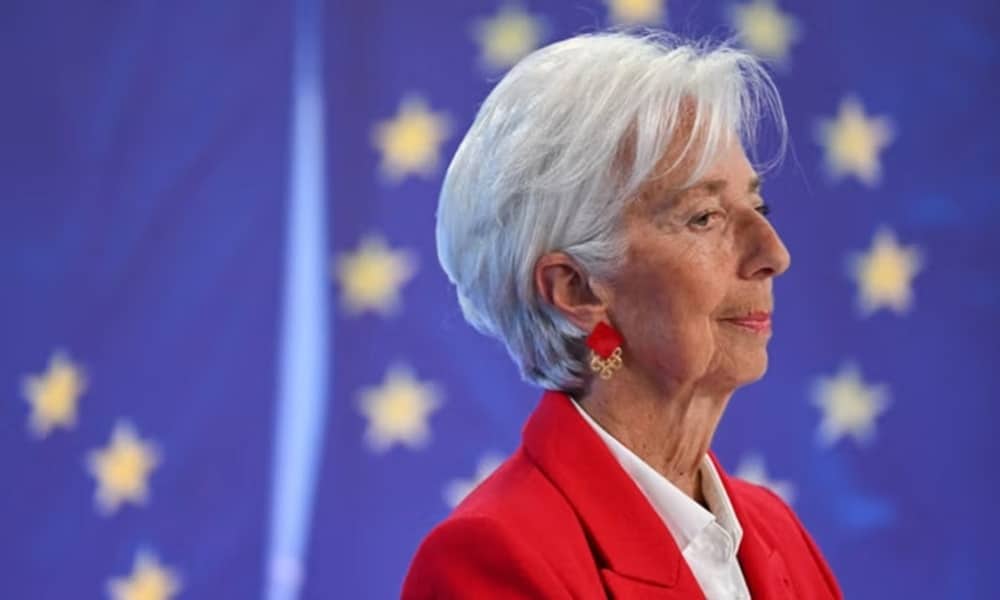
Eurozone inflation cooled to the European Central Bank’s long-standing 2% price stability target in December, offering fresh confirmation that the inflation shock that dominated recent years is continuing to unwind. The latest data reinforce a growing sense among investors and policymakers that price dynamics across the currency bloc are stabilising, even as questions linger about how durable the progress will be in a still-fragile economic environment.
Flash estimates released by Eurostat showed annual consumer price inflation slowed to 2.0% in December from 2.1% in November, aligning closely with market expectations. On a monthly basis, consumer prices rose 0.2%, reversing a decline in November and suggesting inflation is transitioning toward a more normalized, trend-driven pattern rather than one dominated by volatile swings.
Core Inflation Moderates, Strengthening the Policy Signal
Encouragingly for policymakers, underlying price pressures also showed signs of easing. Core inflation — which strips out food and energy and is closely monitored by central banks — slipped to 2.3% year-on-year from 2.4% in November, marking its lowest level since August. The gradual deceleration in core inflation indicates that second-round effects from wages and services are no longer intensifying at a pace that threatens price stability.
For the European Central Bank, this moderation is particularly important. Persistent core inflation had been a key reason for maintaining a restrictive stance despite weakening growth. The latest reading strengthens the argument that monetary tightening is gaining traction without triggering a sharp inflation rebound.
Services Remain Sticky as Energy Drags Headline Lower
The internal composition of inflation continues to reflect diverging sector dynamics. Services inflation remained the strongest contributor, rising 3.4% year-on-year, though slightly slower than in November. Elevated services prices reflect ongoing wage pressures and resilient demand in labor-intensive sectors, especially in tourism and healthcare.
By contrast, energy prices remained firmly negative, falling 1.9% from a year earlier. This decline continues to act as a powerful drag on headline inflation, supported by more stable gas supplies, subdued oil prices, and favorable base effects compared with the 2022 energy shock. Food, alcohol, and tobacco inflation edged up modestly to 2.6%, while non-energy industrial goods inflation remained subdued at just 0.4%, highlighting weak pricing power in goods-focused segments of the economy.
ECB Seen in Holding Pattern as Markets Look Ahead
With both headline and core inflation now hovering near target, markets increasingly believe the European Central Bank has limited incentive to act in the near term. Investors appear comfortable with a prolonged pause as policymakers assess whether services inflation continues to cool and whether economic growth can stabilise without renewed price pressures.
Market-based probabilities reflect this cautious stance. Data from Polymarket suggest a 97% chance that interest rates will remain unchanged at the ECB’s February Governing Council meeting. Looking further ahead, expectations for a rate cut in 2026 stand around 45%, while the likelihood of a rate hike is viewed as relatively low.
The coming months will test whether disinflation can be sustained as wage negotiations evolve and fiscal policy shifts across member states. For now, inflation hitting target marks a symbolic victory — but not yet the end of the ECB’s balancing act between price stability and economic support.
Comparison, examination, and analysis between investment houses
Leave your details, and an expert from our team will get back to you as soon as possible
* This article, in whole or in part, does not contain any promise of investment returns, nor does it constitute professional advice to make investments in any particular field.
To read more about the full disclaimer, click here
- Lior mor
- •
- 6 Min Read
- •
- ago 33 minutes
SKN | US Energy Independence or Market Illusion? Why Global Oil Dynamics Still Matter
Recent remarks suggesting that the United States is “totally independent of the Middle East” have reignited debate over the
- ago 33 minutes
- •
- 6 Min Read

Recent remarks suggesting that the United States is “totally independent of the Middle East” have reignited debate over the

- sagi habasov
- •
- 9 Min Read
- •
- ago 8 hours
SKN | Is “Mild Stagflation” the New Reality as Oil Stays Near $100 Amid Iran War Disruptions?
Bank of America has sharply revised its global economic outlook, warning that the ongoing Iran conflict is driving a “mild
- ago 8 hours
- •
- 9 Min Read

Bank of America has sharply revised its global economic outlook, warning that the ongoing Iran conflict is driving a “mild

- omer bar
- •
- 6 Min Read
- •
- ago 12 hours
SKN | Australia Extends $693 Million in Low-Cost Loans to Businesses to Ease Fuel Price Pressures
Amid rising fuel prices and supply constraints, the Australian government has introduced a $693 million low-interest loan program for businesses.
- ago 12 hours
- •
- 6 Min Read

Amid rising fuel prices and supply constraints, the Australian government has introduced a $693 million low-interest loan program for businesses.

- Ronny Mor
- •
- 8 Min Read
- •
- ago 17 hours
SKN | Is the Federal Reserve Preparing for Policy Whiplash as Inflation and Labor Risks Collide?
Fed Signals Strategic Flexibility Amid Rising Uncertainty Federal Reserve Bank of St. Louis President Alberto Musalem has reinforced a critical
- ago 17 hours
- •
- 8 Min Read
Fed Signals Strategic Flexibility Amid Rising Uncertainty Federal Reserve Bank of St. Louis President Alberto Musalem has reinforced a critical

