


- Lior mor
- •
- 7 Min Read
- •
- 4 months ago
Key Points
- Novo Nordisk aims to launch Ozempic in India before generic semaglutide versions reshape pricing and access.
- Eli Lilly’s Mounjaro currently leads the market, prompting Novo to reassess strategy and pricing.
- Analysts expect rapid GLP-1 adoption in India given rising obesity and expanding off-label use cases.
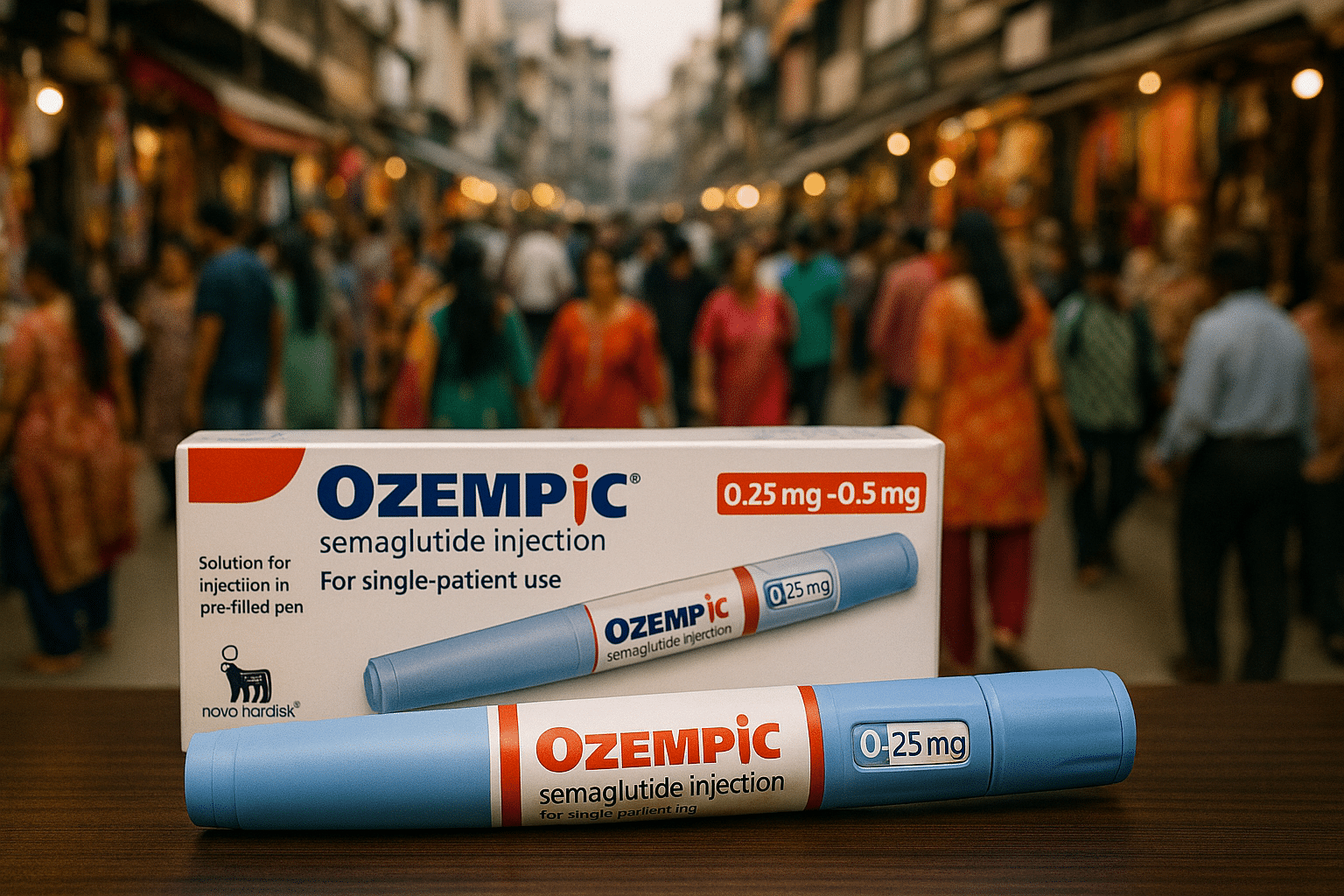
Novo Nordisk is moving toward a December launch of its blockbuster diabetes treatment Ozempic in India, according to multiple sources familiar with the matter, setting the stage for an intensifying battle in one of the world’s most strategically important healthcare markets. India’s rapidly growing population of type 2 diabetes patients, combined with surging obesity rates, has created unprecedented demand for GLP-1 agonists—drugs originally designed for glycemic control but now central to the global weight-loss boom. With the market projected to exceed $150 billion annually by the end of the decade, Novo’s accelerated timeline signals its intent to secure an early advantage ahead of rising competitive pressures.
Novo Targets Speed to Market as Competitive Pressures Build
The company’s push to introduce Ozempic within the next month underscores a sense of urgency as global usage of semaglutide-based therapies expands. One source noted that Novo intends to establish a market presence before generic manufacturers introduce lower-cost versions. Novo received regulatory approval in September to import and sell Ozempic in India, but has not disclosed updated launch details or pricing strategy. The move comes at a time when the firm is managing both rising demand and the risk of losing market share to competing therapies, particularly Eli Lilly’s Mounjaro, which has rapidly become India’s top-selling drug by value.
Lilly’s Mounjaro Dominates Early, Forcing Novo to Adjust Strategy
Eli Lilly’s Mounjaro has quickly reshaped the competitive dynamics within India’s metabolic health sector. In October alone, Lilly sold 262,000 doses, a tenfold lead over Novo’s Wegovy, which entered the market in June and sold just 26,000 doses during the same period. In response, Novo reduced the price of Wegovy by as much as 37%, an aggressive shift as it braces for the expiration of the semaglutide patent in March 2026. As the patent cliff approaches, India’s powerful generic drugmakers—Sun Pharma, Cipla, Dr. Reddy’s Laboratories and Lupin—are developing their own versions, poised to disrupt pricing and accelerate access. The expectation of generics introduces a time-sensitive race for Novo to build brand loyalty and maintain premium positioning before the market becomes significantly more fragmented.
Leveraging Brand Strength in a Market With Expanding Use Cases
Despite mounting competition, Novo Nordisk enters India’s GLP-1 landscape with considerable brand power. The company already commands strong visibility through its Rybelsus semaglutide tablets and established diabetes portfolio. Analysts argue that this reputation provides a structural advantage as Ozempic becomes available. According to Vishal Manchanda of Systematix Institutional Equities, Ozempic could see broader-than-expected uptake, including off-label use for infertility, sleep apnea and medically supervised weight reduction. While GLP-1 drugs are formally approved for diabetes management, their appetite-suppressing and metabolic effects continue to expand their role across therapeutic categories, particularly in countries like India where obesity-linked conditions are rising sharply.
Future Outlook
Ozempic’s arrival is set to intensify one of the world’s most closely watched pharmaceutical competitions. Novo Nordisk’s ability to scale quickly, secure prescriber confidence and navigate upcoming generic disruption will determine how effectively it can defend share against Lilly’s early lead. Investors and policymakers will be monitoring regulatory decisions, pricing strategies and the speed at which Indian manufacturers enter the market. With demand for metabolic health treatments escalating, the next year could redefine the hierarchy of global weight-loss drugmakers and reshape access to advanced therapies for millions of Indian patients.
Comparison, examination, and analysis between investment houses
Leave your details, and an expert from our team will get back to you as soon as possible
* This article, in whole or in part, does not contain any promise of investment returns, nor does it constitute professional advice to make investments in any particular field.
To read more about the full disclaimer, click here
- Ronny Mor
- •
- 8 Min Read
- •
- ago 1 hour
SKN | Asian Markets Split as Korea and Japan Rally While China and Hong Kong Slide in Tuesday Morning Trade
Asian equities opened Tuesday’s trading session with mixed momentum as investors weighed diverging economic signals across the region. While Japan
- ago 1 hour
- •
- 8 Min Read

Asian equities opened Tuesday’s trading session with mixed momentum as investors weighed diverging economic signals across the region. While Japan

- orshu
- •
- 6 Min Read
- •
- ago 18 hours
SKN | Tel Aviv Indices Retreat as Investors Weigh Economic Signals and Sector Pressures
The Tel Aviv shווקי opened lower as investors navigated mixed economic signals and sector-specific pressures. The TA-35 led the declines,
- ago 18 hours
- •
- 6 Min Read

The Tel Aviv shווקי opened lower as investors navigated mixed economic signals and sector-specific pressures. The TA-35 led the declines,
- orshu
- •
- 7 Min Read
- •
- ago 23 hours
SKN | Global Growth Resilience and Critical Inflation Data to Anchor Final Trading Week of Q1
The global financial markets enter the final full trading week of March 2026 with a dual focus on consolidating recent
- ago 23 hours
- •
- 7 Min Read

The global financial markets enter the final full trading week of March 2026 with a dual focus on consolidating recent

- sagi habasov
- •
- 6 Min Read
- •
- ago 23 hours
SKN | Stocks and Treasuries Slide as Iran Tensions Escalate: Market Wrap
Equity and bond markets fell as renewed conflict fears between the United States and Iran weighed on investor sentiment. The
- ago 23 hours
- •
- 6 Min Read

Equity and bond markets fell as renewed conflict fears between the United States and Iran weighed on investor sentiment. The

