


- Lior mor
- •
- 7 Min Read
- •
- 4 months ago
Key Points
- The Caspian Pipeline Consortium (CPC) suspended Black Sea oil loading following a new strike near key export infrastructure.
- The halt disrupts flows of Kazakhstan’s crude — a major global supply source — putting upward pressure on oil prices.
- Energy markets, insurers, and shipping firms are reassessing risk premiums across the Black Sea corridor.
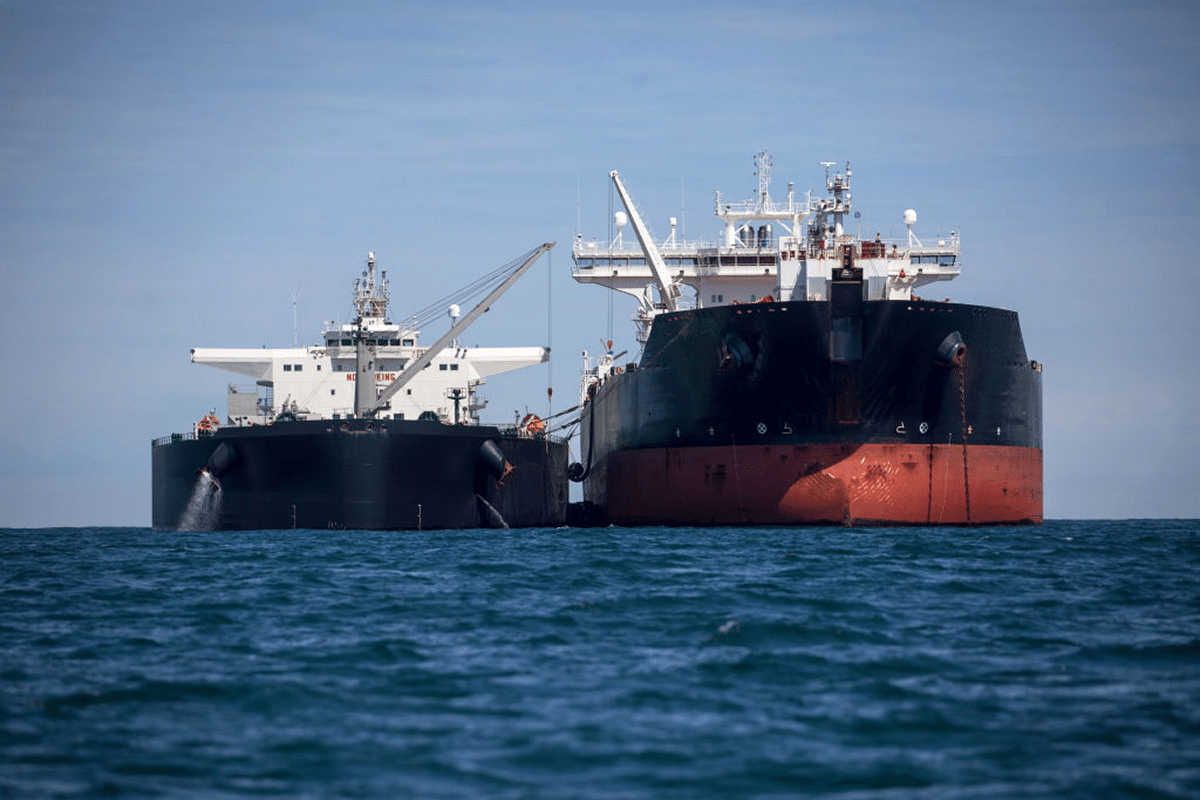
The Caspian Pipeline Consortium announced a temporary halt in Black Sea oil loading after a fresh attack targeted the region’s critical export infrastructure. The disruption comes as global markets are already contending with supply tightness, geopolitical instability, and renewed volatility in energy prices. For investors — including those in Israel — the event raises fresh concerns over transport risk, supply-chain reliability, and commodity-linked inflation pressures.
Attack triggers immediate operational shutdown
CPC, which transports roughly 1.3 million barrels per day of Kazakh crude — about 1% of global oil supply — confirmed that terminal operations were suspended as damage assessments began. While no structural failure has been officially reported, the proximity of the attack to marine infrastructure prompted operators to halt loading as a precaution. The incident is the latest in a series of strikes in and around the Black Sea, underscoring growing concerns over the vulnerability of energy assets amid continued regional conflict.
For Kazakhstan, whose economy relies heavily on crude exports through the CPC route, even brief outages can have significant revenue and budget implications. The pipeline historically accounts for the vast majority of the country’s oil exports, meaning geopolitical instability near the Black Sea poses recurring downside risk. Moscow’s involvement in the consortium further complicates the strategic landscape, leaving room for uncertainty about operational resilience if the security situation deteriorates.
Oil markets and shipping routes feel the impact
The disruption supported a modest rise in crude benchmarks, with Brent prices moving higher as traders reassessed supply availability in the near term. While Kazakhstan’s output has not been directly affected, the inability to load tankers constrains export volumes, effectively tightening immediate supply. Energy analysts note that repeated incidents in this corridor could contribute to a sustained risk premium in global oil markets — a scenario reminiscent of past disruptions near Hormuz or the Red Sea.
Shipping firms and insurers are also reacting quickly. War-risk surcharges for vessels entering specific zones of the Black Sea have been climbing steadily, and the latest event may prompt additional restrictions or requirements. Higher shipping costs tend to transmit downstream into refined product markets, adding pressure to consumer prices and corporate margins. For Israel, which imports diversified energy supplies and is sensitive to global pricing dynamics, these developments remain relevant to both inflation trends and energy-sector planning.
Broader macro implications and investor positioning
The CPC halt adds to a wider pattern of geopolitical disruptions affecting commodities, shipping, and trade routes. Combined with ongoing conflicts in Eastern Europe and the Middle East, the accumulation of risks is shaping a more fragile macro environment. Investors are increasingly monitoring supply-chain bottlenecks, freight-market stress, and volatility in commodity-linked assets — all of which can influence portfolio strategy and hedging behavior.
Emerging-market sovereigns may also feel secondary effects. Kazakhstan’s credit markets could see mild spread widening if the outage persists, reflecting concerns over export reliability. Meanwhile, European refiners — key buyers of CPC crude — may need to adjust procurement strategies if delays extend into peak demand months.
Looking forward, the key variables will be the extent of damage, the timeline for resuming safe loading operations, and whether additional attacks escalate the regional security environment. Traders and policymakers will be watching for updates from CPC, Kazakhstan’s energy ministry, and maritime authorities. Persistent disruptions could fuel further price volatility and reinforce global supply anxieties, making the Black Sea corridor an increasingly important barometer for energy stability in 2025.
Comparison, examination, and analysis between investment houses
Leave your details, and an expert from our team will get back to you as soon as possible
* This article, in whole or in part, does not contain any promise of investment returns, nor does it constitute professional advice to make investments in any particular field.
To read more about the full disclaimer, click here
- orshu
- •
- 6 Min Read
- •
- ago 7 hours
SKN | Tel Aviv Indices Retreat as Investors Weigh Economic Signals and Sector Pressures
The Tel Aviv shווקי opened lower as investors navigated mixed economic signals and sector-specific pressures. The TA-35 led the declines,
- ago 7 hours
- •
- 6 Min Read

The Tel Aviv shווקי opened lower as investors navigated mixed economic signals and sector-specific pressures. The TA-35 led the declines,
- orshu
- •
- 7 Min Read
- •
- ago 12 hours
SKN | Global Growth Resilience and Critical Inflation Data to Anchor Final Trading Week of Q1
The global financial markets enter the final full trading week of March 2026 with a dual focus on consolidating recent
- ago 12 hours
- •
- 7 Min Read

The global financial markets enter the final full trading week of March 2026 with a dual focus on consolidating recent

- sagi habasov
- •
- 6 Min Read
- •
- ago 13 hours
SKN | Stocks and Treasuries Slide as Iran Tensions Escalate: Market Wrap
Equity and bond markets fell as renewed conflict fears between the United States and Iran weighed on investor sentiment. The
- ago 13 hours
- •
- 6 Min Read

Equity and bond markets fell as renewed conflict fears between the United States and Iran weighed on investor sentiment. The

- Ronny Mor
- •
- 6 Min Read
- •
- ago 13 hours
SKN | Surging Oil Prices Force Latin America to Reassess Energy Strategies
The recent surge in global oil prices has sent ripples across Latin American economies, prompting policymakers to reevaluate energy strategies
- ago 13 hours
- •
- 6 Min Read
The recent surge in global oil prices has sent ripples across Latin American economies, prompting policymakers to reevaluate energy strategies

