


- Ronny Mor
- •
- 7 Min Read
- •
- 5 months ago
Key Points
- Germany will cap industrial electricity prices at 5 euro cents per kWh through 2028 to support competitiveness.
- The subsidy aims to alleviate pressure on an economy struggling with stagnation and rising global competition.
- Analysts warn that broader structural reforms remain essential for sustainable recovery.

Germany is moving to shield its industrial sector from high energy costs as policymakers confront the country’s prolonged economic stagnation. The governing coalition approved a sweeping subsidy that will sharply reduce electricity prices for energy-intensive manufacturers, seeking to stabilize output and prevent further erosion of Germany’s competitiveness. With Europe’s largest economy having contracted for two consecutive years, Berlin is under pressure to demonstrate a more decisive strategy to counter slowing investment, rising competition from China and persistent bureaucratic hurdles.
A Targeted Energy Price Cap to Defend Industrial Competitiveness
Chancellor Friedrich Merz announced that beginning January 1, electricity prices for qualifying companies will be capped at roughly 5 euro cents per kilowatt hour—about one-third of current industrial rates. The subsidy will run through 2028 and is designed specifically for manufacturers facing international competition, including chemicals, metals, and advanced machinery. Approval from the European Commission appears imminent, according to Merz, removing one of the biggest uncertainties surrounding the plan.
Germany’s industrial base has been squeezed by high energy prices since the onset of the European energy crisis in 2022. Although prices have moderated, they remain significantly above pre-crisis levels and well above those faced by competitors in the U.S. and Asia. Analysts note that even modest improvements in energy cost predictability can influence where multinational companies choose to deploy capital.
ING economist Carsten Brzeski estimated that the subsidy—down from a current industry rate of roughly 15 euro cents—could provide not only “short-term relief but also clarity and stability for years to come,” a critical factor at a time when manufacturers are weighing long-term investment decisions.
Structural Headwinds Persist Despite New Measures
The energy price cap is part of a broader effort to reverse Germany’s sluggish economic trajectory. Growth has been stagnant for years, with GDP rising just 0.2% this year and forecast to expand a muted 0.9% in 2025. Economists attribute the slowdown to a combination of structural weaknesses: a shortage of skilled labor, an aging industrial model, slow digitization, and intensifying global competition—notably from Chinese producers of machinery, autos and renewable technologies.
To counter these pressures, the government has launched a 500-billion-euro investment plan to update infrastructure and reduce bureaucratic drag over the next 12 years. Business groups argue that such long-term reforms are essential and that the new subsidy, while welcome, must be accompanied by deeper modernization efforts. Holger Lösch of the Federation of German Industries said the capped price will particularly help energy-intensive firms “remain competitive internationally,” but stressed the need for Brussels to allow enough flexibility for wide implementation.
A Costly Bet on Industrial Stability
The subsidy is expected to cost between 3 and 5 billion euros annually. Finance Minister Lars Klingbeil said the government views the expenditure as a necessary investment to avoid industrial flight and retain manufacturing jobs. Additional measures—including a planned tax cut on airline tickets beginning in July—signal Berlin’s willingness to intervene more aggressively to support sectors under pressure.
Looking ahead, Germany’s recovery will depend on whether lower energy prices translate into renewed capital investment and stronger industrial output. If companies interpret the subsidy as a credible long-term signal, it could help stabilize Europe’s manufacturing engine. But without significant structural reforms, the program risks becoming a temporary buffer rather than a catalyst for durable economic renewal.
Comparison, examination, and analysis between investment houses
Leave your details, and an expert from our team will get back to you as soon as possible
* This article, in whole or in part, does not contain any promise of investment returns, nor does it constitute professional advice to make investments in any particular field.
To read more about the full disclaimer, click here
- sagi habasov
- •
- 9 Min Read
- •
- ago 1 hour
SKN | Is “Mild Stagflation” the New Reality as Oil Stays Near $100 Amid Iran War Disruptions?
Bank of America has sharply revised its global economic outlook, warning that the ongoing Iran conflict is driving a “mild
- ago 1 hour
- •
- 9 Min Read

Bank of America has sharply revised its global economic outlook, warning that the ongoing Iran conflict is driving a “mild

- omer bar
- •
- 6 Min Read
- •
- ago 6 hours
SKN | Australia Extends $693 Million in Low-Cost Loans to Businesses to Ease Fuel Price Pressures
Amid rising fuel prices and supply constraints, the Australian government has introduced a $693 million low-interest loan program for businesses.
- ago 6 hours
- •
- 6 Min Read
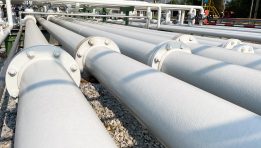
Amid rising fuel prices and supply constraints, the Australian government has introduced a $693 million low-interest loan program for businesses.

- Ronny Mor
- •
- 8 Min Read
- •
- ago 10 hours
SKN | Is the Federal Reserve Preparing for Policy Whiplash as Inflation and Labor Risks Collide?
Fed Signals Strategic Flexibility Amid Rising Uncertainty Federal Reserve Bank of St. Louis President Alberto Musalem has reinforced a critical
- ago 10 hours
- •
- 8 Min Read
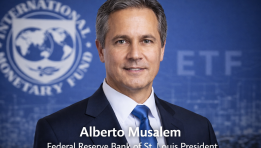
Fed Signals Strategic Flexibility Amid Rising Uncertainty Federal Reserve Bank of St. Louis President Alberto Musalem has reinforced a critical
- sagi habasov
- •
- 7 Min Read
- •
- ago 16 hours
SKN | Is the Fed Underestimating Inflation Risks as Oil Prices Surge Again?
Fed Signals Caution as Energy Prices Complicate Policy Outlook Federal Reserve officials are increasingly signaling a more cautious stance as
- ago 16 hours
- •
- 7 Min Read
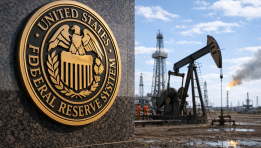
Fed Signals Caution as Energy Prices Complicate Policy Outlook Federal Reserve officials are increasingly signaling a more cautious stance as

