


- Articles
- •
- 6 Min Read
- •
- 6 months ago
Key Points
- President Trump's broad tariff authority is facing a critical Supreme Court challenge, forcing a strategic pivot in trade policy.
- The administration is shifting its focus to sector-specific tariffs under the more legally secure Section 232 authority.
- This new approach is creating significant market uncertainty, using tariff threats as a powerful lever for industry-specific negotiations.
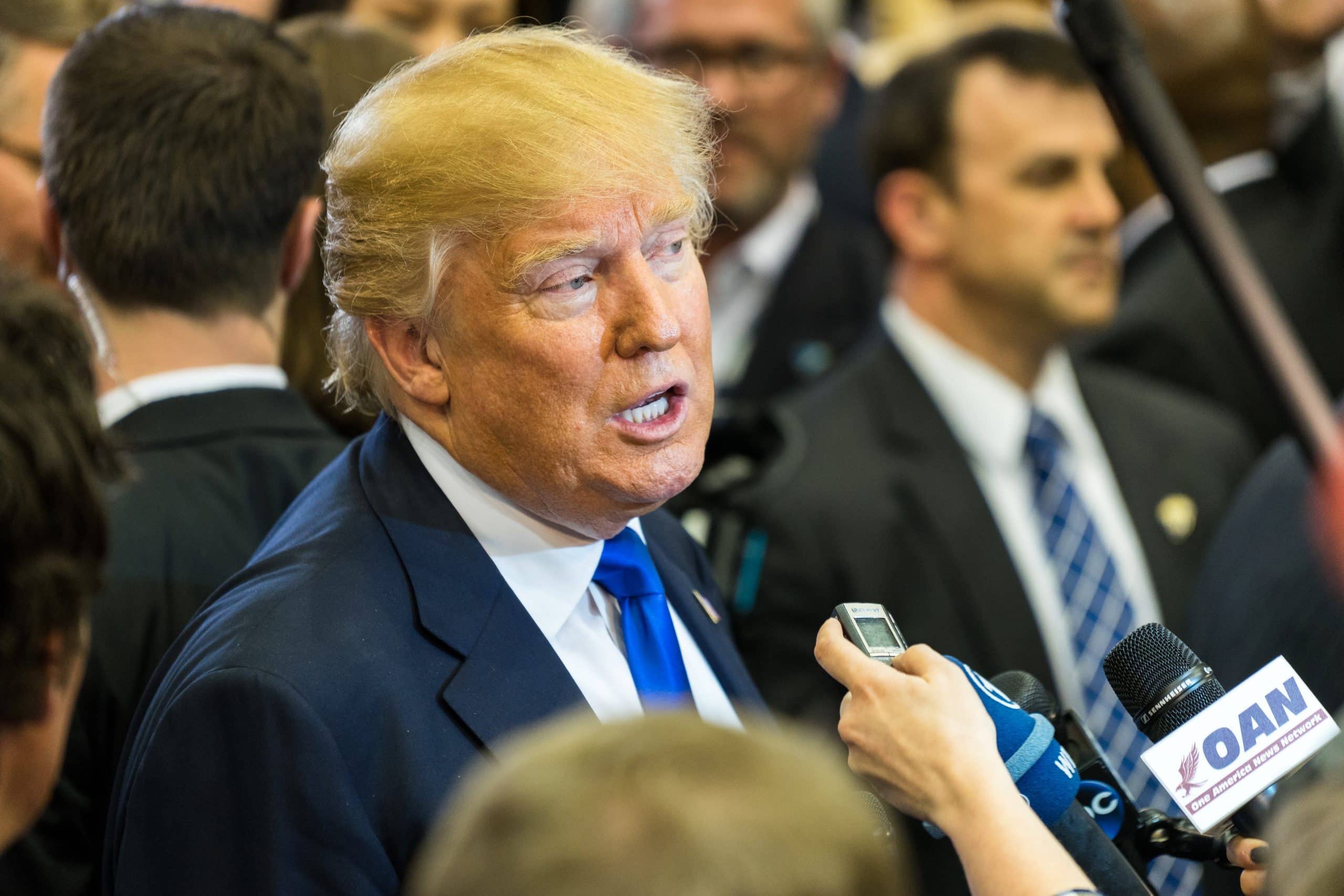
A loan Supreme Court decision on the law of President Trump’s sweeping tariffs, imposed under the International Emergency Economic Powers Act (IEEPA), is comparing a significant pivot in the administration’s trade policy. This strategic realignment, moving away from the legal contentious IEEPA framework toward more targeted, sector-specific documents, is injecting a fresh wave of uncertainty across global markets. For business leaders and investors, this shift signals that are considered of the court’s ruling, trade volatility is set to continue, forcing them to navigate an increasingly unpredictable regulatory landscape.
A Strategic Pivot to National Security Authority
The administration’s apparent new course of action is to lean heavy on the authority granted by Section 232 of the Trade Expansion Act of 1962. Unlike the broad emergency powers of IEEPA, Section 232 allows the president to aim tariffs on national security grounds and is widely seen as more relevant to legal challenges. Recent announcements from the president on his Truth Social platform have targeted a diverse range of industries—from semi-trucks and furniture to kitchen cabinets—with duties of up to 100%. This pivot acts as an insurance policy, ensuring the administration can maintain tariff pressure even if the Supreme Court invalidates its previous actions under IEEPA.
Sector-Specific Whiplash: The Pharmaceutical Case
The recent rollout of pharmaceutical tariffs provides a clear playbook for how this new strategy creates market whiplash. Initially, the administration threatened sweeping 200% tariffs on the industry, later reducing the figure to 100% while offering a series of complex exceptions. The situation regulated in a deal with Pfizer (PFE), which received a three-year exception in exchange for slashing some drug prices, effectively putting the broker tariffs on hold pending further negotiations with other companies. This erratic process created immense short-term volatility but ultimately led to a rally in pharmaceutical stocks, demonstrating how targeted tariff threats are now a primary, if unpredictable, negotiating tool to secure industry-specific conclusions.
Forward-Looking Perspective
Looking ahead, the November Supreme Court hearing remains a pivotal event. However, the administration’s clear reference for Section 232 tariffs suggest that market uncertainty will persist regarding the outcome. Business leaders and investors should now monitor the pipeline of active Section 232 investigations, which span critical industries from semiconductors to medical devices. The pharmaceutical sector’s recent experience serves as a key template, indicating that even a legal definition for the administration will not end its use of trade policy as a powerful word. The primary challenge for businesses will not be the existence of tariffs, but their unpredictable application, creating a complex risk-management environment for the predictable future.
Comparison, examination, and analysis between investment houses
Leave your details, and an expert from our team will get back to you as soon as possible
* This article, in whole or in part, does not contain any promise of investment returns, nor does it constitute professional advice to make investments in any particular field.
To read more about the full disclaimer, click here
- orshu
- •
- 6 Min Read
- •
- ago 8 hours
SKN | Israeli Markets Show Mixed Trends as Tech and Bond Sectors Diverge
The Israeli equity market opened with mixed dynamics, as the TA-35 index edged lower to 4,292.87 points, down 0.38%, while
- ago 8 hours
- •
- 6 Min Read

The Israeli equity market opened with mixed dynamics, as the TA-35 index edged lower to 4,292.87 points, down 0.38%, while
- orshu
- •
- 6 Min Read
- •
- ago 12 hours
SKN | Global Markets Recap: March 25, 2026 Performance and Outlook Ahead of March 26 Trading
Global financial markets experienced a mix of cautious optimism on March 25, 2026. U.S. and European equities advanced moderately, reflecting
- ago 12 hours
- •
- 6 Min Read

Global financial markets experienced a mix of cautious optimism on March 25, 2026. U.S. and European equities advanced moderately, reflecting

- Ronny Mor
- •
- 6 Min Read
- •
- ago 13 hours
SKN | U.S. Stock Futures Hold Steady as Markets Assess Prospects for Iran Truce
U.S. stock futures showed little movement on Thursday morning as Wall Street navigated heightened geopolitical uncertainty stemming from talks over
- ago 13 hours
- •
- 6 Min Read
U.S. stock futures showed little movement on Thursday morning as Wall Street navigated heightened geopolitical uncertainty stemming from talks over

- Lior mor
- •
- 7 Min Read
- •
- ago 15 hours
SKN | Asian Markets Open Mixed as India’s Sensex Leads Gains While South Korea’s Kospi Slides
Asian financial markets opened Thursday’s morning session with mixed performance across the region as investors navigated currency volatility, regional economic
- ago 15 hours
- •
- 7 Min Read

Asian financial markets opened Thursday’s morning session with mixed performance across the region as investors navigated currency volatility, regional economic

