


- orshu
- •
- 6 Min Read
- •
- 6 months ago
Key Points
- Novartis says its U.S. pharmaceutical stockpiles can sustain supply until mid-2026
- A Section 232 investigation could lead to tariffs of up to 250% on imported drugs
- The company commits $23 billion toward U.S. manufacturing and R&D expansion
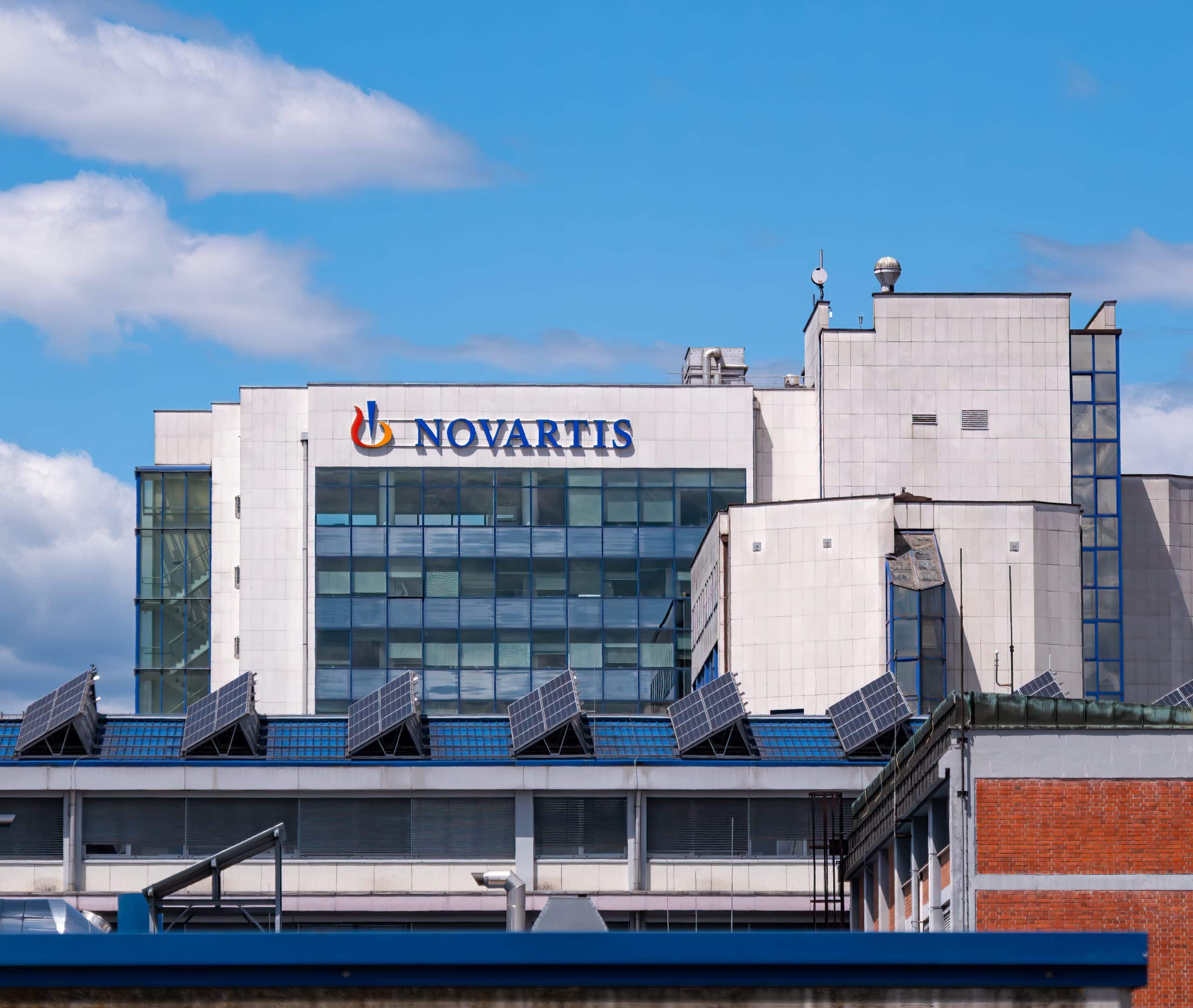
Novartis Stockpiles Against Tariff Risks
Swiss drugmaker Novartis is taking aggressive measures to safeguard its U.S. operations against potential tariffs under a renewed Trump trade agenda. CEO Vas Narasimhan said the company has built up enough inventory in the U.S. to maintain supply through at least mid-2026, buying time as policymakers consider imposing duties on imported pharmaceuticals.
This strategic move reflects the company’s attempt to shield itself from escalating trade frictions that could raise costs across the healthcare sector. For Novartis, inventory management is not just a logistical decision but also a tactical buffer against political risk.
Section 232 Investigation Creates Uncertainty
The U.S. government has launched a Section 232 investigation into pharmaceutical imports, with potential duties ranging as high as 250%. While Switzerland already faces a 39% tariff on non-pharmaceutical exports to the U.S., drugs have so far been spared. That exemption, however, is under review.
The uncertainty has raised concerns across the pharmaceutical industry, where companies rely on global supply chains for cost efficiency and innovation. Tariffs on drugs could ripple into higher healthcare costs and disrupted treatment pipelines. For investors, the question is not whether Novartis can withstand tariffs temporarily, but how sustainable its long-term response will be.
The $23 Billion U.S. Commitment
To strengthen its position, Novartis has pledged $23 billion in medium-term U.S. investments. The plan includes scaling domestic manufacturing capacity, expanding R&D operations, and relocating final filling and packaging activities into U.S. facilities.
While these moves are designed to reduce exposure to tariffs, execution will take time. Narasimhan has signaled that fully transitioning operations could take three to four years, leaving a potential gap if tariffs arrive sooner than expected. The spending also highlights a delicate balance: Novartis is investing heavily to meet U.S. policy demands while managing global supply chain efficiency.
Tariff Pressure and Market Psychology
Beyond operational strategy, Novartis’ moves are meant to reassure investors and policymakers. The company’s preemptive stockpiling suggests strong risk management, but also signals that leadership views tariffs as a real and imminent threat.
Investor sentiment in the healthcare sector often swings sharply in response to trade policy developments. A tariff shock could increase volatility in drugmakers’ valuations, particularly if companies without Novartis’ level of preparation are forced to pass on higher costs to consumers.
Looking Ahead – A Test for Pharma Resilience
The immediate buffer of U.S. inventories gives Novartis breathing room, but the longer-term outcome hinges on Washington’s next steps. If Section 232 tariffs are imposed, the industry will face a costly restructuring period that could reshape global supply chains.
For Novartis, the test will be how quickly it can translate its $23 billion investment into tangible U.S. production capacity. Until then, the company’s stockpiles represent a temporary shield—one that could prove decisive if trade tensions escalate further.
Comparison, examination, and analysis between investment houses
Leave your details, and an expert from our team will get back to you as soon as possible
* This article, in whole or in part, does not contain any promise of investment returns, nor does it constitute professional advice to make investments in any particular field.
To read more about the full disclaimer, click here
- orshu
- •
- 7 Min Read
- •
- ago 2 hours
SKN | Israeli Markets Show Broad Declines as Investors Weigh Economic Signals
Tel Aviv’s shווקי opened with widespread declines, highlighting investor sensitivity to macroeconomic signals and regional market trends. The TA-35 index
- ago 2 hours
- •
- 7 Min Read

Tel Aviv’s shווקי opened with widespread declines, highlighting investor sensitivity to macroeconomic signals and regional market trends. The TA-35 index
- orshu
- •
- 6 Min Read
- •
- ago 6 hours
SKN | Global Markets Recap: March 26, 2026 Performance and Outlook Ahead of March 27, 2026 Trading
Global financial markets experienced widespread declines on March 26, 2026, as investors assessed elevated geopolitical tensions, volatile energy prices, and
- ago 6 hours
- •
- 6 Min Read
Global financial markets experienced widespread declines on March 26, 2026, as investors assessed elevated geopolitical tensions, volatile energy prices, and

- omer bar
- •
- 7 Min Read
- •
- ago 9 hours
SKN | Asian Markets Diverge in Friday Morning Session as India Rallies While Korea and Japan Slide
Asian markets opened Friday, March 27, with mixed performance during the morning trading session, highlighting diverging investor sentiment across the
- ago 9 hours
- •
- 7 Min Read

Asian markets opened Friday, March 27, with mixed performance during the morning trading session, highlighting diverging investor sentiment across the
- orshu
- •
- 6 Min Read
- •
- ago 13 hours
SKN | Insider Signal or Routine Move? Gold.com Shareholder Sale Raises Market Questions
A significant insider transaction at Gold.com has drawn investor attention after a major shareholder sold approximately $665,000 in stock.
- ago 13 hours
- •
- 6 Min Read

A significant insider transaction at Gold.com has drawn investor attention after a major shareholder sold approximately $665,000 in stock.

