


- Ronny Mor
- •
- 7 Min Read
- •
- 7 months ago
Highlights:
– China authorizes imports of sorghum from Brazil, with first shipments expected in 2025.
– Move reduces reliance on U.S. grain supplies amid ongoing trade frictions.
– Global sorghum market poised for shifting trade flows, with implications for food security and biofuel demand.
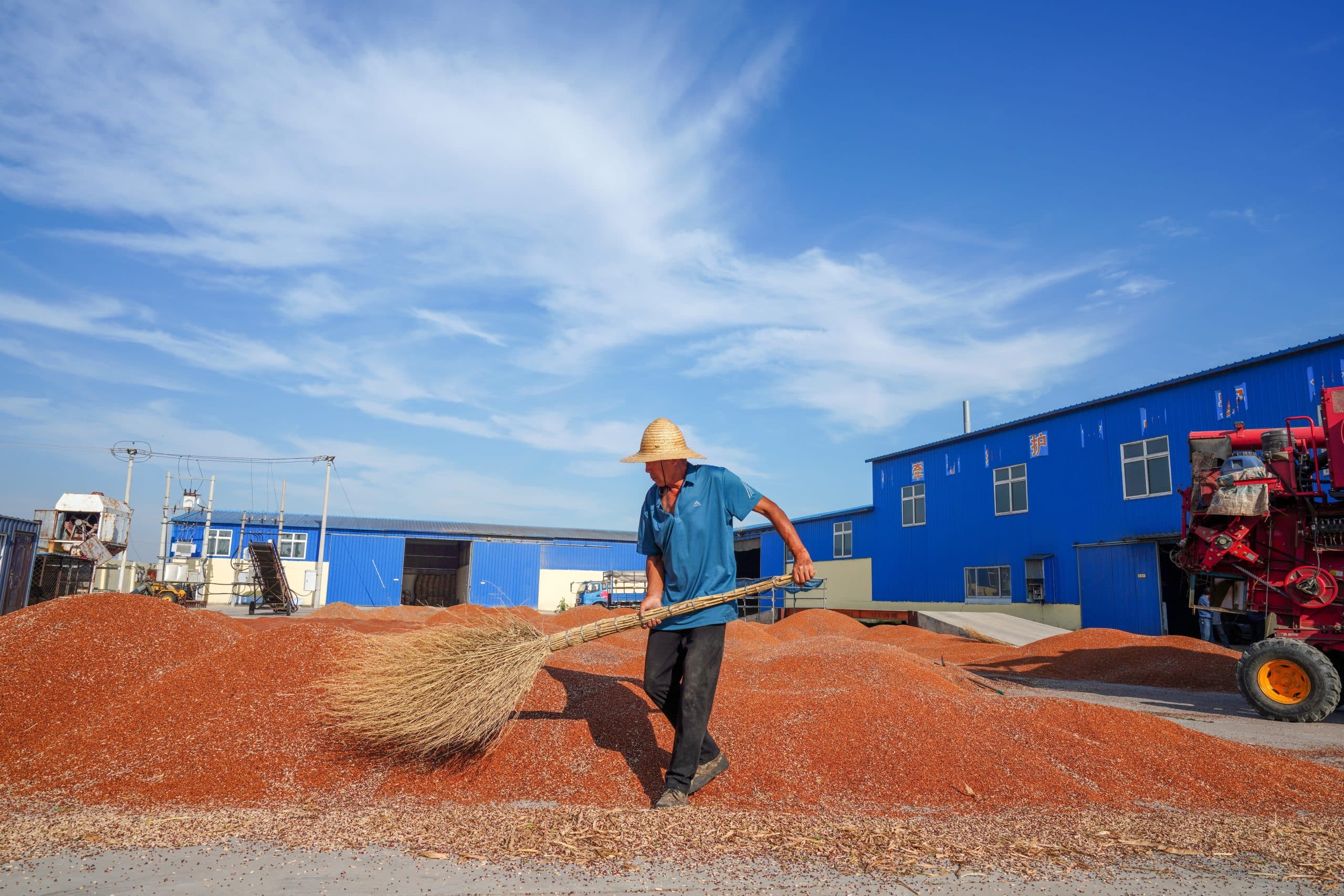
China has cleared imports of sorghum from Brazil, marking a significant shift in global agricultural trade flows. The first shipments are expected in 2025, according to officials familiar with the decision. The approval signals Beijing’s push to diversify its grain supply chains, reduce dependency on U.S. imports, and strengthen ties with Brazil as a key agricultural partner. The development comes as China balances food security concerns with broader geopolitical considerations in an uncertain global trade environment.
Diversification Beyond U.S. Grain Supplies
Sorghum, a versatile crop used for animal feed, baijiu liquor production, and increasingly for biofuels, has been a focal point in U.S.-China trade tensions. Washington has historically been the dominant supplier of sorghum to China, but tariffs and geopolitical frictions have periodically disrupted flows. By opening its market to Brazilian sorghum, Beijing is signaling a long-term strategy to diversify supply and reduce vulnerability to political shocks.
For Brazil, the move represents a new export channel at a time when the country has already become a leading supplier of soybeans and corn to China. Analysts suggest Brazilian sorghum producers may benefit from rising Chinese demand, especially as feed demand stabilizes in the wake of volatility in China’s hog sector.
Implications for Global Agricultural Markets
The approval could reshape global trade patterns in the sorghum market, valued at over $9 billion annually. Increased Brazilian participation could intensify competition for U.S. producers, particularly if Chinese buyers shift a meaningful share of imports. This dynamic could also influence global pricing, with buyers leveraging new supply sources to negotiate terms more effectively.
In Israel, where food inflation and commodity price volatility have been closely monitored, the development highlights broader global efforts to stabilize agricultural imports. As Israeli agritech firms continue to explore partnerships in crop efficiency and sustainable farming, shifts in major trade routes could create both risks and opportunities in technology exports tied to agriculture.
Strategic and Political Dimensions
The timing of China’s decision aligns with its broader geopolitical positioning. Deepening agricultural trade ties with Brazil supports Beijing’s strategy of strengthening South-South cooperation while reducing exposure to U.S. policy uncertainty. Brazil, in turn, gains additional leverage in global commodity markets by expanding its export mix and reinforcing its role as a top agricultural power.
At the same time, questions remain about logistics and scalability. Infrastructure bottlenecks, such as port capacity and transport networks, could slow the speed of Brazil’s ramp-up in sorghum exports. Moreover, ensuring compliance with China’s phytosanitary standards will be critical to sustaining long-term market access.
Looking forward, investors and policymakers will be watching the pace of Brazilian sorghum shipments and how quickly they displace U.S. market share. The interplay between food security priorities, global trade dynamics, and geopolitical strategy will determine whether this development proves to be a short-term diversification effort or the beginning of a structural realignment in global grain markets.
Comparison, examination, and analysis between investment houses
Leave your details, and an expert from our team will get back to you as soon as possible
* This article, in whole or in part, does not contain any promise of investment returns, nor does it constitute professional advice to make investments in any particular field.
To read more about the full disclaimer, click here
- orshu
- •
- 6 Min Read
- •
- ago 25 seconds
SKN | Nasdaq Surges as Tech Rally Accelerates — Can Momentum Sustain Into Q2?
The Nasdaq Composite (^IXIC) delivered a strong performance on March 31, rising by 3.38 percent to 21,497.44, as investors
- ago 25 seconds
- •
- 6 Min Read

The Nasdaq Composite (^IXIC) delivered a strong performance on March 31, rising by 3.38 percent to 21,497.44, as investors

- omer bar
- •
- 5 Min Read
- •
- ago 51 minutes
SKN | Airlines Under Pressure as Iran Conflict Drives Costs Higher and Margins Lower
Airlines are facing a renewed profitability squeeze as geopolitical tensions linked to Iran disrupt flight operations and push up
- ago 51 minutes
- •
- 5 Min Read

Airlines are facing a renewed profitability squeeze as geopolitical tensions linked to Iran disrupt flight operations and push up

- Lior mor
- •
- 6 Min Read
- •
- ago 1 hour
SKN | Beyond Gold—How Silver, Platinum, and Palladium Fit into Modern Portfolios
As gold continues to dominate headlines as a traditional safe-haven asset, investors are increasingly exploring alternative precious metals for
- ago 1 hour
- •
- 6 Min Read

As gold continues to dominate headlines as a traditional safe-haven asset, investors are increasingly exploring alternative precious metals for
- orshu
- •
- 6 Min Read
- •
- ago 2 hours
SKN | European Markets Close Higher as Broad-Based Gains Signal Improving Sentiment
European markets closed in positive territory on March 31, with major indices across the region posting gains as investor
- ago 2 hours
- •
- 6 Min Read

European markets closed in positive territory on March 31, with major indices across the region posting gains as investor


