




- Articles
- •
- 9 Min Read
- •
- 1 year ago



Oil Prices Slip Amid Diminishing Hopes for Russia-Ukraine Peace Deal: What Investors Should Monitor
Highlights:
-
Brent and WTI crude prices retreat after previous gains, pressured by stalled Russia-Ukraine negotiations.
-
U.S. tariffs on Indian imports raise concerns about crude flows from Russia.
-
OPEC production increases continue to weigh on monthly oil performance.
Oil Market Faces Pressure as Peace Talks Stagnate
Oil prices retreated in Asian trading on Friday, reversing modest gains from the previous session, as investors confronted the fading prospects of a Russia-Ukraine peace agreement and weighed the implications of additional U.S. tariffs on India. As of 21:52 ET (01:52 GMT), October Brent futures fell 0.8% to $68.10 per barrel, while West Texas Intermediate (WTI) crude declined 0.7% to $64.14 per barrel.
Despite Thursday’s session ending with gains of nearly 1%, driven by smaller-than-expected declines in U.S. crude stockpiles, both contracts are on track for monthly losses exceeding 6%. Persistent production increases by the Organization of the Petroleum Exporting Countries (OPEC) have applied consistent downward pressure on global crude prices, countering intermittent bullish market signals.
Peace Talks Stall: Implications for Risk and Market Sentiment
Hopes for a diplomatic resolution between Russia and Ukraine have weakened following U.S. President Donald Trump’s recent call for direct talks between President Volodymyr Zelenskyy and President Vladimir Putin. Trump’s proposal included U.S. security guarantees that fall short of troop deployment, but no formal date or venue has been confirmed. Analysts caution that meaningful progress appears unlikely in the near term, leaving market participants to contend with ongoing geopolitical uncertainty.
The risk of further escalation remains tangible. Russia recently launched attacks on Kyiv, striking buildings housing the European Union mission and the British Council. “The lack of progress towards a peace deal means risks of sanctions and secondary tariffs continue to hang over the oil market,” noted ING analysts, highlighting the continued potential for market volatility driven by geopolitical tensions.
U.S. Tariffs on India Add Pressure on Crude Flows
Another factor influencing oil sentiment is the U.S. decision to impose additional tariffs on Indian imports of Russian crude. Effective August 27, the total duty on these imports doubled to 50%. This move forms part of broader efforts to limit India’s engagement with Russian energy supplies amid the ongoing conflict in Ukraine.
While Indian refiners initially paused Russian oil purchases following the tariff increase, they have since resumed transactions. Analysts suggest that future Russian crude flows to India will remain a critical factor for the oil market, as traders monitor how tariffs, sanctions, and geopolitical developments interact to influence global supply chains.
OPEC Production and Broader Market Dynamics
OPEC’s sustained production increases have compounded the pressure on crude prices, offsetting the short-term bullish effects of geopolitical risks. Analysts note that the combination of elevated output and geopolitical uncertainty has created a market environment in which oil prices are highly sensitive to policy announcements, trade disruptions, and conflict developments.
Investor behavior reflects cautious sentiment, with market participants balancing the potential upside of supply disruptions against the realities of robust global production. The result is a market characterized by heightened volatility and near-term uncertainty, with prices reacting sharply to even incremental geopolitical or policy updates.
Looking Ahead: What to Monitor
As the oil market enters the final days of August, several factors will determine near-term trends. Progress—or the lack thereof—in Russia-Ukraine negotiations will continue to influence risk premiums, while U.S. trade policies toward India and other importers of Russian crude may affect supply flows and price dynamics. Additionally, ongoing OPEC production adjustments will remain a critical determinant of monthly performance.
Market observers are likely to keep a close watch on geopolitical developments, tariff enforcement, and inventory data in the coming weeks, assessing how these factors interact to shape crude pricing. While uncertainty persists, professional analysts emphasize the importance of monitoring the evolving balance between supply-side pressures and geopolitical risk as key indicators for global oil markets.
Comparison, examination, and analysis between investment houses
Leave your details, and an expert from our team will get back to you as soon as possible
* This article, in whole or in part, does not contain any promise of investment returns, nor does it constitute professional advice to make investments in any particular field.
To read more about the full disclaimer, click here
- Ronny Mor
- •
- 7 Min Read
- •
- ago 8 hours
SKN | Asian Equities Bend Under AI Capex Fatigue as Markets Brace for Critical Apple Earnings Test
Asian share markets retreated on Monday, November 2, 2026, as institutional investors extended their reassessment of the generative artificial intelligence
- ago 8 hours
- •
- 7 Min Read

Asian share markets retreated on Monday, November 2, 2026, as institutional investors extended their reassessment of the generative artificial intelligence

- sagi habasov
- •
- 7 Min Read
- •
- ago 8 hours
SKN | Tech Titans Push Back: Will Proposed U.S. Tariffs on Vietnam Fracture Global Supply Chains?
Global manufacturing heavyweights Tesla Inc. and Samsung Electronics Co. have formally petitioned the United States government against imposing new tariffs
- ago 8 hours
- •
- 7 Min Read

Global manufacturing heavyweights Tesla Inc. and Samsung Electronics Co. have formally petitioned the United States government against imposing new tariffs

- orshu
- •
- 7 Min Read
- •
- ago 17 hours
SKN | S&P 500 Equal-Weight Index Outperforms Traditional Benchmark by Widest Margin Since 2009
The US equity market is showing a notable shift in performance, with the S&P 500 Equal-Weight Index substantially outperforming
- ago 17 hours
- •
- 7 Min Read
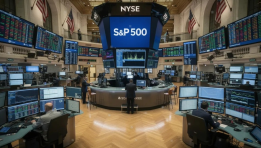
The US equity market is showing a notable shift in performance, with the S&P 500 Equal-Weight Index substantially outperforming

- omer bar
- •
- 8 Min Read
- •
- ago 17 hours
SKN | Meta’s AI Spending Raises Credit Risk as Five-Year CDS Spreads Surge
The rapid expansion of artificial intelligence infrastructure is creating a new financial challenge for major technology companies: how to
- ago 17 hours
- •
- 8 Min Read
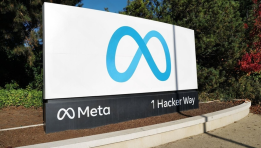
The rapid expansion of artificial intelligence infrastructure is creating a new financial challenge for major technology companies: how to
