




- Lior mor
- •
- 7 Min Read
- •
- 17 seconds ago


Key Points
- The FCC has authorized SpaceX to deploy up to 1 million Starmind satellites to support AI data centers in orbit, a scale that would dwarf today's satellite networks.
- Scientists warn that the constellation could increase space debris, atmospheric pollution and disruption to astronomy, while the FCC says some environmental concerns remain unproven or outside its remit.
- SpaceX must begin deployment by 2033, reach half the authorized constellation by 2038 and complete the deployment by 2040, although commercial viability remains unproven.
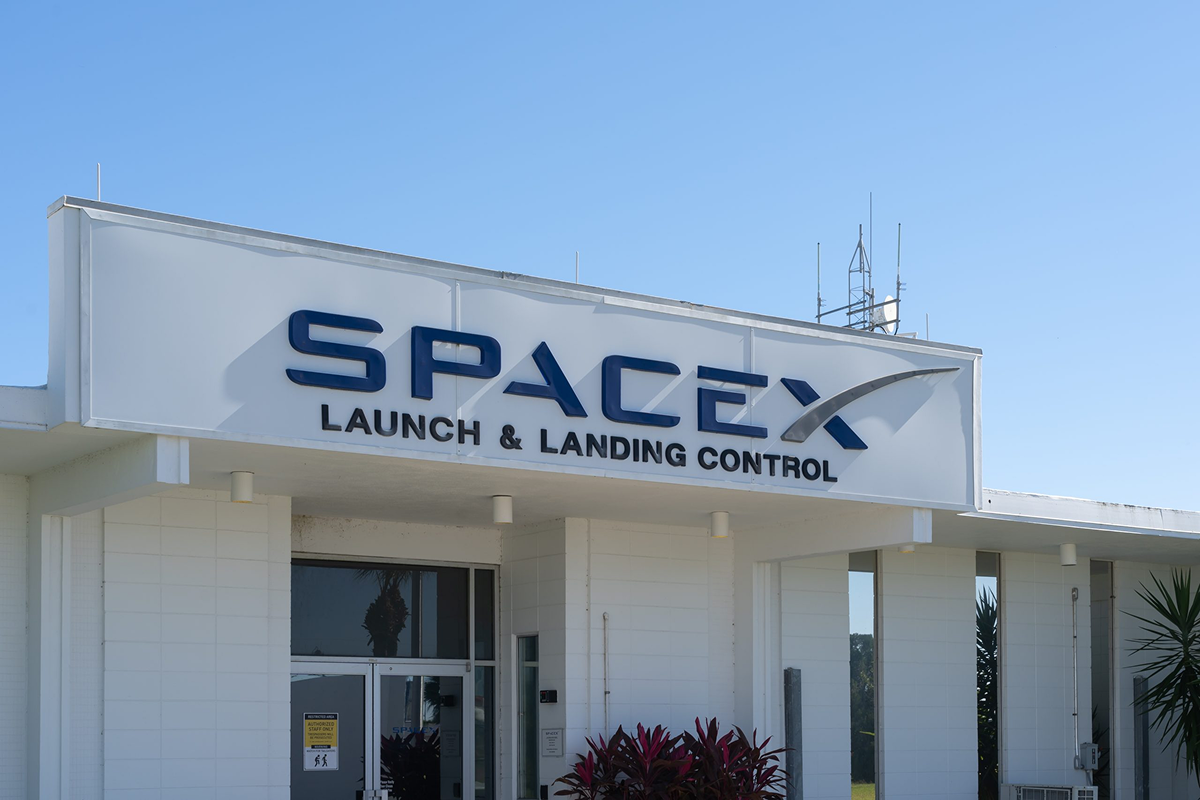
The U.S. Federal Communications Commission’s authorization for SpaceX to deploy up to 1 million satellites marks a potentially transformative moment for both artificial intelligence infrastructure and the space economy. The proposed Starmind constellation would dramatically expand the scale of satellite networks while attempting to move energy-intensive computing away from Earth and into orbit.
From Starlink to an Orbital AI Infrastructure
SpaceX’s Starlink helped establish the era of large satellite networks, known as megaconstellations, with more than 11,000 satellites currently in space. Starmind would take that model into a different category by placing computing modules in orbit rather than primarily using satellites for communications.
The FCC approved the constellation to help meet rapidly growing demand for AI computing. SpaceX’s strategy is based partly on the availability of near-constant solar power in orbit, potentially allowing data centers to operate without relying on the same terrestrial electricity and cooling infrastructure required by conventional facilities.
The concept could become strategically important as AI companies and cloud providers confront rising demand for computing capacity. However, SpaceX itself has acknowledged that space-based data centers depend on unproven technology and may not ultimately be commercially viable.
The Environmental Cost Remains Uncertain
The scale of Starmind has raised significant environmental questions. Researchers at University College London have estimated that one million satellites could increase emissions from launches and re-entries by roughly 70 to 150 times from current levels, potentially affecting ozone, climate and air quality.
The FCC has taken a more cautious position, saying that emissions from rocket launches and their indirect environmental effects fall outside its regulatory remit. It also said concerns about atmospheric effects from satellites burning up during re-entry remain speculative and insufficiently established.
The disagreement highlights one of the central challenges surrounding Starmind: the environmental consequences of an unprecedented expansion in orbital infrastructure cannot be fully established before the system begins operating at scale.
Space Junk Could Become a Larger Strategic Risk
Low-Earth orbit is already becoming increasingly crowded. The European Space Agency has reported more than 231 million debris objects between 1 millimeter and 10 centimeters in size, creating an increasingly complex environment for satellite operators.
SpaceX says Starmind satellites would have propulsion systems for collision avoidance, station-keeping and eventual deorbiting, while controlled re-entries would be directed toward ocean areas. Yet the scale of the proposed constellation changes the risk calculation. Even a 1% failure rate could leave thousands of derelict satellites in orbit each year, according to experts cited by Reuters.
The Night Sky and the Practical Limits of Scale
Astronomers have also warned that a million satellites could significantly alter observations of the night sky. Some Starmind satellites could operate in sun-synchronous orbits and remain illuminated, potentially contaminating astronomical images. The American Astronomical Society has argued that the constellation could interfere with scientific observations and public investment in astronomical infrastructure.
Despite the headline figure, deployment would occur over many years. The FCC requires SpaceX to launch its first Starmind satellite by November 2033, reach half of the authorized constellation by 2038 and complete deployment by 2040. No operator has previously deployed anything approaching one million objects in space.
For global investors, Starmind therefore represents both a potentially significant new infrastructure market and an unprecedented execution challenge. The critical issues to monitor will be Starship’s launch economics, satellite reliability, environmental impacts and the commercial performance of orbital computing. If the economics work, Starmind could establish a new layer of AI infrastructure; if they do not, the authorization may ultimately prove more valuable as strategic flexibility than as a blueprint for one million satellites.
Comparison, examination, and analysis between investment houses
Leave your details, and an expert from our team will get back to you as soon as possible
* This article, in whole or in part, does not contain any promise of investment returns, nor does it constitute professional advice to make investments in any particular field.
To read more about the full disclaimer, click here
- sagi habasov
- •
- 5 Min Read
- •
- ago 25 minutes
SKN | OpenAI Countersues Apple Over Alleged Trade Secret Theft and Supplier Restrictions
OpenAI Escalates Legal Dispute With Apple OpenAI has countersued Apple, accusing the technology company of stealing its trade secrets and
- ago 25 minutes
- •
- 5 Min Read

OpenAI Escalates Legal Dispute With Apple OpenAI has countersued Apple, accusing the technology company of stealing its trade secrets and

- Lior mor
- •
- 6 Min Read
- •
- ago 3 hours
SKN | Could Elon Musk’s Chip Commitments Strengthen Samsung’s Position in the AI Semiconductor Race?
The intensifying demand for artificial intelligence infrastructure is increasingly pushing technology companies to secure semiconductor supply through long-term commercial
- ago 3 hours
- •
- 6 Min Read

The intensifying demand for artificial intelligence infrastructure is increasingly pushing technology companies to secure semiconductor supply through long-term commercial
- Ronny Mor
- •
- 7 Min Read
- •
- ago 3 hours
SKN | Is CoreWeave’s Credit Crisis Exposing Risks in Nvidia’s AI Financing Ecosystem?
The rapid expansion of artificial intelligence infrastructure has increasingly linked semiconductor manufacturers, cloud-computing operators, investors, and financing arrangements into
- ago 3 hours
- •
- 7 Min Read
The rapid expansion of artificial intelligence infrastructure has increasingly linked semiconductor manufacturers, cloud-computing operators, investors, and financing arrangements into
- sagi habasov
- •
- 6 Min Read
- •
- ago 4 hours
SKN | Nvidia Shares Fall After Report Raises Questions Over Blackwell Chips in China
Nvidia shares came under pressure after a Bloomberg report raised concerns about the possible presence of its advanced Blackwell
- ago 4 hours
- •
- 6 Min Read
Nvidia shares came under pressure after a Bloomberg report raised concerns about the possible presence of its advanced Blackwell
