





- Ronny Mor
- •
- 5 Min Read
- •
- 11 seconds ago


Key Points
- The Dow Jones Industrial Average erased an intraday loss of approximately 1,100 points and finished the session in positive territory.
- The index closed at 50,185.01, gaining 164.02 points, or 0.33%, according to the figures shown.
- The sharp reversal highlights the potential for intraday volatility and rapid shifts in market sentiment, although the underlying catalysts require further confirmation.

U.S. equity markets demonstrated a significant intraday reversal as the Dow Jones Industrial Average recovered from a loss of approximately 1,100 points to finish the trading session higher. The move underscores the degree of volatility currently capable of shaping market positioning, as investors reassess risk, liquidity conditions and broader economic expectations during periods of sharp price fluctuations.
A Dramatic Intraday Recovery
The Dow’s trading session featured a substantial reversal, with the index recovering from a steep decline before ultimately closing in positive territory. According to the figures displayed, the benchmark finished at 50,185.01, representing a gain of 164.02 points, or 0.33%.
The recovery represents a notable shift in intraday market direction. A reversal of this magnitude can reflect changing trading dynamics, including adjustments in positioning, liquidity-driven activity and renewed demand following an aggressive selloff. However, without confirmed information regarding the specific catalysts behind the move, the rebound should not be attributed to a particular economic announcement, policy development or corporate event.
Market Volatility and Investor Positioning
Sharp intraday swings can provide insight into how quickly market participants respond to changing conditions. When an index experiences a steep decline followed by a substantial recovery, trading activity may reflect a combination of risk reduction, short-term repositioning and attempts to capitalize on price movements. Such reversals can also complicate assessments of market direction, particularly when volatility remains elevated.
For institutional investors, the magnitude of the reversal is relevant beyond the closing performance. Intraday fluctuations can affect portfolio hedging, risk-management strategies and exposure across equity sectors. The distinction between a temporary recovery and a sustained change in market sentiment will depend on subsequent trading sessions and the broader economic and financial backdrop.
What the Reversal Could Signal for the Broader Market
The Dow’s recovery offers a reminder that headline index movements can conceal considerable volatility throughout a trading session. Although finishing higher may indicate that selling pressure eased toward the close, a single session does not establish a durable market trend or confirm that underlying risks have diminished.
Investors will continue to monitor subsequent price action, market breadth, trading volumes, economic releases and developments affecting interest-rate expectations. Whether the reversal develops into a broader recovery or remains an isolated episode of volatility will depend on the consistency of market participation and the evolution of the macroeconomic environment in the coming sessions.
Comparison, examination, and analysis between investment houses
Leave your details, and an expert from our team will get back to you as soon as possible
* This article, in whole or in part, does not contain any promise of investment returns, nor does it constitute professional advice to make investments in any particular field.
To read more about the full disclaimer, click here
- Ronny Mor
- •
- 7 Min Read
- •
- ago 32 minutes
SKN | Tariff Uncertainty and AI Selloff Drive Volatility as Investors Seek Safe Havens
Tariff Uncertainty Adds to Market Instability Investors are facing renewed volatility as the latest US tariff proposals add another source
- ago 32 minutes
- •
- 7 Min Read

Tariff Uncertainty Adds to Market Instability Investors are facing renewed volatility as the latest US tariff proposals add another source

- orshu
- •
- 7 Min Read
- •
- ago 50 minutes
SKN | Nasdaq and S&P 500 Pare Sharp Losses as Investors Step In After Technology Selloff
U.S. stocks moved sharply off their session lows on November 25 as investors stepped in after a heavy technology-led
- ago 50 minutes
- •
- 7 Min Read
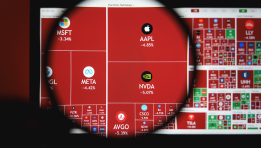
U.S. stocks moved sharply off their session lows on November 25 as investors stepped in after a heavy technology-led
- orshu
- •
- 6 Min Read
- •
- ago 1 hour
SKN | Americas Market Overview: IBOVESPA Rises 1.58% as Nasdaq Falls 0.62%
U.S. Equities Deliver Mixed Results U.S. equity benchmarks showed divergent movements, with gains in the Dow and Russell 2000 offset
- ago 1 hour
- •
- 6 Min Read

U.S. Equities Deliver Mixed Results U.S. equity benchmarks showed divergent movements, with gains in the Dow and Russell 2000 offset
- orshu
- •
- 6 Min Read
- •
- ago 6 hours
SKN | European Markets Retreat as Eurozone Benchmarks Lead Regional Losses
European markets closed broadly lower on November 25, as selling pressure affected several major equity benchmarks across the region.
- ago 6 hours
- •
- 6 Min Read

European markets closed broadly lower on November 25, as selling pressure affected several major equity benchmarks across the region.

