





- Arik Arkadi Sluzki
- •
- 6 Min Read
- •
- 30 seconds ago


Key Points
- Spot gold fell 0.2% to $3,547.29 per ounce, after reaching its lowest level since August 2025.
- The metal briefly dropped below the $3,500 per ounce threshold for the first time since September 2025.
- Stronger U.S. inflation and expectations for a December Federal Reserve rate hike continued to weigh on gold, while new U.S. tariffs added another layer of uncertainty.

Gold extended its decline on November 25, approaching levels not seen in more than a year as stronger U.S. inflation reinforced expectations that the Federal Reserve could maintain a restrictive monetary policy path. The move highlights the growing pressure on the precious metals market from higher interest-rate expectations, even as geopolitical and trade uncertainty remains elevated.
U.S. Inflation Adds Pressure to Gold
Spot gold fell 0.2% to $3,547.29 per ounce by 2:19 p.m. ET, after reaching its lowest level since August 2025 earlier in the session. The metal had also fallen below the psychologically important $3,500 level for the first time since September 2025 before recovering some of its losses.
The decline came after U.S. inflation increased further in October. Rather than easing concerns about monetary policy, the inflation data strengthened expectations that the Federal Reserve’s interest-rate path could remain restrictive. Higher rates typically increase the opportunity cost of holding non-yielding assets such as gold, creating an important headwind for prices.
December Rate-Hike Expectations Dominate Market Sentiment
Traders were fully pricing in a Federal Reserve rate hike in December, according to the market backdrop described in the report. That expectation has become a central driver of gold’s recent weakness, as investors reassess the likelihood of sustained higher U.S. interest rates.
For international investors, the relationship between gold, U.S. monetary policy and the dollar remains particularly important. A stronger rate environment can support the U.S. currency and increase the relative attractiveness of interest-bearing assets, potentially reducing demand for gold. This dynamic can also influence investors outside the United States, including Israeli and other global portfolios exposed to dollar-denominated commodities.
Tariffs Add a New Layer of Uncertainty
The pressure from monetary policy is developing alongside renewed trade uncertainty. The Trump administration announced new tariffs on major trading powers, introducing another variable into the global economic outlook.
Trade measures can have conflicting implications for precious metals. Tariffs may increase costs and contribute to inflationary pressure, potentially reinforcing expectations for tighter monetary policy. At the same time, greater uncertainty surrounding international trade and global economic growth can support demand for traditional defensive assets. The current environment therefore presents competing forces for gold rather than a single directional driver.
Gold’s Next Test Comes From Monetary Policy
The latest decline leaves gold at a significantly weaker level than earlier in the year, with the market increasingly focused on whether inflation pressures will remain persistent. The fact that prices briefly breached $3,500 per ounce gives the level added importance as traders assess whether the current selloff can stabilize or extend further.
Going forward, the Federal Reserve’s policy signals, incoming U.S. inflation data and movements in the dollar will remain critical for gold. At the same time, developments in U.S. trade policy could alter inflation expectations and global risk sentiment. For sophisticated investors, the key issue is whether monetary-policy pressure continues to dominate gold’s traditional role as a hedge against economic and geopolitical uncertainty.
Comparison, examination, and analysis between investment houses
Leave your details, and an expert from our team will get back to you as soon as possible
* This article, in whole or in part, does not contain any promise of investment returns, nor does it constitute professional advice to make investments in any particular field.
To read more about the full disclaimer, click here
- Lior mor
- •
- 7 Min Read
- •
- ago 25 minutes
SKN | Fed Beige Book Signals Persistent Growth and Sticky Inflation Ahead of Rate Decision
The U.S. economy continued to expand at a slight to moderate pace in recent weeks, while inflation pressures remained
- ago 25 minutes
- •
- 7 Min Read
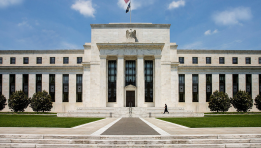
The U.S. economy continued to expand at a slight to moderate pace in recent weeks, while inflation pressures remained

- Ronny Mor
- •
- 7 Min Read
- •
- ago 2 hours
SKN | U.S. PCE Inflation Accelerates to 3.8% as Core Prices Rise More Than Expected
Headline PCE Inflation Moves Higher The October inflation report showed that the U.S. PCE price index increased 3.8% compared with
- ago 2 hours
- •
- 7 Min Read

Headline PCE Inflation Moves Higher The October inflation report showed that the U.S. PCE price index increased 3.8% compared with
- Lior mor
- •
- 6 Min Read
- •
- ago 5 hours
SKN | U.S. Durable Goods Orders Disappoint in October as Headline Demand Slows
Headline Durable Goods Orders Lose Momentum U.S. durable goods orders recorded a modest 0.2% increase in October, significantly below the
- ago 5 hours
- •
- 6 Min Read

Headline Durable Goods Orders Lose Momentum U.S. durable goods orders recorded a modest 0.2% increase in October, significantly below the
- Ronny Mor
- •
- 6 Min Read
- •
- ago 5 hours
SKN | U.S. Consumer Spending and Business Investment Accelerate as Final Domestic Sales Rise 5.8%
Domestic Demand Shows Stronger Momentum A key measure of underlying U.S. economic activity strengthened significantly in the third quarter, with
- ago 5 hours
- •
- 6 Min Read

Domestic Demand Shows Stronger Momentum A key measure of underlying U.S. economic activity strengthened significantly in the third quarter, with

