




- omer bar
- •
- 8 Min Read
- •
- 9 hours ago


Key Points
- Higher Composite Rate: Newly purchased Series I savings bonds offer an annualized rate of 5.51% through April, up from the previous 4.26% rate.
- Fixed Rate Increases: The fixed interest component has risen to 1.40% from 0.90%, providing a higher long-term return component that remains unchanged for the life of the bond.
- Inflation Protection and Purchase Limits: I bonds adjust their variable interest component every six months based on inflation, with standard annual purchases capped at $10,000 electronically, plus an additional $5,000 through a federal tax refund.
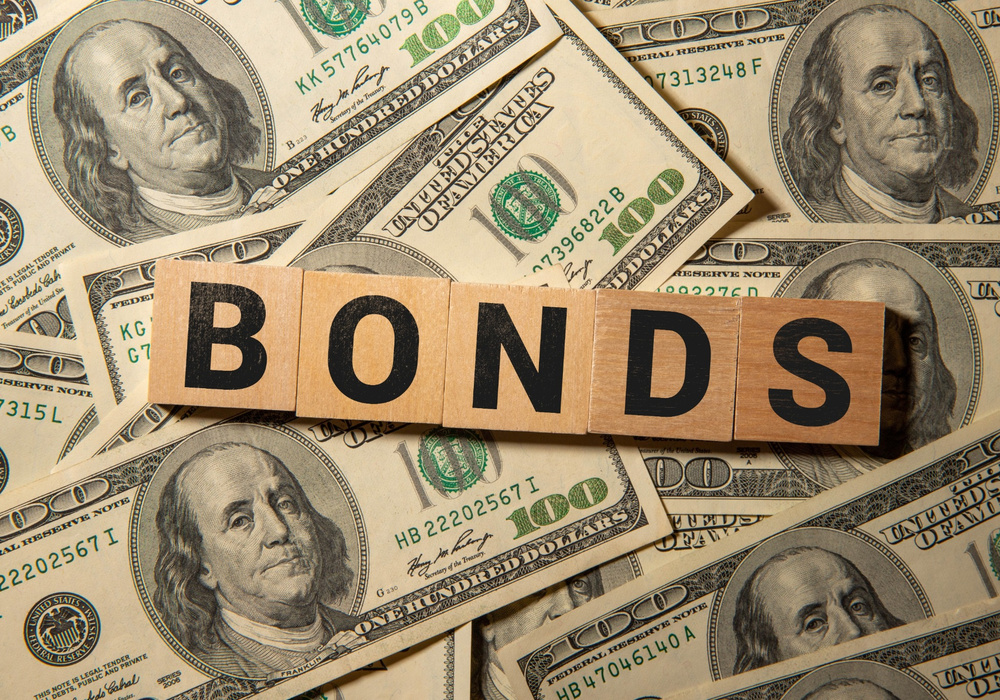
I Bond Rates Become More Attractive
U.S. Series I savings bonds have regained attention following an increase in their annualized composite interest rate to 5.51% for new purchases made through April.
The Treasury Department announced the new rate on Friday, replacing the previous annualized return of 4.26% that had been in effect since May. The increase improves the appeal of I bonds compared with several conventional savings products, including certificates of deposit, high-yield savings accounts and short-term Treasury securities.
I bonds previously attracted substantial demand during the inflation surge, when their annualized rates reached 7.12% in November 2021 and a record 9.62% in May 2022. Their appeal subsequently weakened as rates adjusted.
Fixed Rate Increase Strengthens Long-Term Returns
A significant component of the latest adjustment is the increase in the fixed interest rate to 1.40%, compared with 0.90% previously.
Unlike the variable inflation component, the fixed rate remains attached to the bond throughout its life, until redemption or its 30-year maturity. The variable component is recalculated every six months based on inflation.
The composite rate combines these two components to determine the bond’s annualized earnings rate.
Ken Tumin, co-founder of DepositQuest.com, said the fixed rate is particularly important for investors considering I bonds over the long term because it remains unchanged and helps the bond’s value grow above inflation.
The Treasury Department resets Series I bond rates on November 1 and May 1 each year. The purchase date therefore determines which rate applies initially and when the next adjustment takes effect.
I Bonds Compared With Other Savings Options
The new 5.51% composite rate is above the yields available on many competing savings products described in the report.
Certificates of deposit at most online banks were offering less than 4.5% for terms of approximately one year. Three- and six-month Treasury bills were yielding around 5%, while one-year Treasury bills were yielding above 5%.
The comparison highlights the relative appeal of I bonds, particularly for savers seeking an inflation-linked return rather than a fixed short-term deposit rate.
The report also noted that inflation was hovering around 3.7% and had increased in six of the previous eight months, reinforcing the role of inflation-linked savings instruments in preserving purchasing power.
Purchase Limits, Tax Treatment and Redemption Rules
Investors can purchase electronic I bonds through TreasuryDirect in denominations starting at $25, without a purchase fee. Paper bonds are available in denominations of $50, $100, $200, $500 and $1,000.
The standard annual purchase limit is $10,000 per calendar year. Investors can purchase an additional $5,000 in paper I bonds by directing a federal tax refund toward the purchase.
Interest earned on I bonds is generally exempt from state and local income taxes. Federal income tax may also be avoided when eligible interest is used to pay qualified higher education expenses in the same calendar year the bonds are redeemed, subject to applicable requirements.
I bonds earn interest for up to 30 years but cannot be redeemed during the first year. Investors who cash them in before holding them for five years forfeit the final three months of interest.
A Potential Strategy for Building Long-Term Holdings
For investors seeking to secure the higher fixed rate, Tumin suggested purchasing up to $10,000 before the end of 2026 and another $10,000 before the end of April 2027.
The approach would allow eligible savers to build holdings across different purchase periods while taking advantage of the current fixed-rate component.
Tumin also described I bonds as a potential emergency-fund option after a five-year holding period, combining liquidity, safety and a return designed to exceed inflation.
What Investors Should Watch Next
Investors considering I bonds will need to monitor the next Treasury rate reset, scheduled for May 1, as the variable inflation component can change every six months.
The 1.40% fixed rate is particularly relevant to longer-term buyers because it remains in place for the life of each bond. Purchase timing, annual limits and redemption restrictions will therefore remain important considerations when evaluating the instrument against other savings alternatives.
Comparison, examination, and analysis between investment houses
Leave your details, and an expert from our team will get back to you as soon as possible
* This article, in whole or in part, does not contain any promise of investment returns, nor does it constitute professional advice to make investments in any particular field.
To read more about the full disclaimer, click here
- sagi habasov
- •
- 7 Min Read
- •
- ago 4 weeks
SKN | Fed Finds U.S. Household Financial Stress Increased From 2022 to 2025
The financial position of U.S. households changed significantly between 2022 and 2025, with the latest Federal Reserve Survey of
- ago 4 weeks
- •
- 7 Min Read
The financial position of U.S. households changed significantly between 2022 and 2025, with the latest Federal Reserve Survey of

- Lior mor
- •
- 6 Min Read
- •
- ago 2 months
SKN | Canadian Parents Face a Financial Independence Gap as Children Learn Money Skills
The back-to-school period is creating an opportunity for Canadian families to introduce financial responsibility alongside academic and household routines. According
- ago 2 months
- •
- 6 Min Read

The back-to-school period is creating an opportunity for Canadian families to introduce financial responsibility alongside academic and household routines. According

- Ronny Mor
- •
- 6 Min Read
- •
- ago 5 months
SKN | Money Market Account Rates Remain Attractive as Top Yields Reach 4.01% APY
Money market accounts continue to offer some of the most attractive risk-adjusted yields available within the cash-management landscape, with
- ago 5 months
- •
- 6 Min Read
Money market accounts continue to offer some of the most attractive risk-adjusted yields available within the cash-management landscape, with

- orshu
- •
- 7 Min Read
- •
- ago 6 months
SKN | Young Investors Should Focus on Financial Fundamentals Before Chasing Market Trends
As inflation pressures, student debt burdens, and elevated borrowing costs continue to shape household finances globally, financial advisors are
- ago 6 months
- •
- 7 Min Read
As inflation pressures, student debt burdens, and elevated borrowing costs continue to shape household finances globally, financial advisors are
