




- Ronny Mor
- •
- 6 Min Read
- •
- 3 hours ago


Key Points
- Pfizer reported third-quarter revenue of $16.58 billion, exceeding analyst expectations of approximately $15.87 billion, while adjusted earnings reached $0.87 per share.
- Strong demand for Eliquis and oncology medicines, particularly Padcev, helped offset declining COVID-19 product sales and other revenue pressures.
- The company raised its 2026 revenue guidance to $62–64 billion and adjusted EPS forecast to $2.95–$3.05, reflecting stronger commercial performance and operational execution.
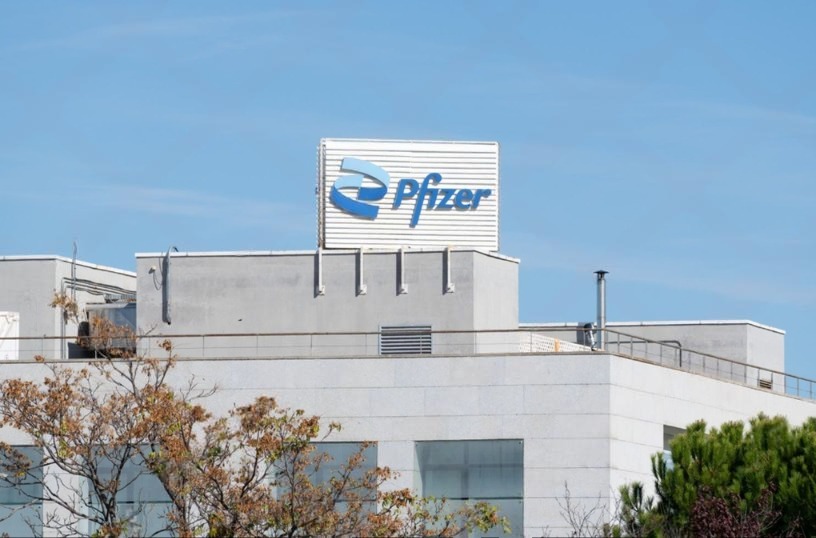
Pfizer delivered a stronger-than-expected third quarter on November 3, 2026, raising its full-year financial forecasts as demand for established cardiovascular treatments and newer cancer medicines supported its commercial performance. The results represent another step in the pharmaceutical group’s efforts to rebuild sustainable growth beyond its pandemic-era revenue base, although patent expirations, pricing pressures, and the cost of developing new medicines remain significant considerations for the industry’s long-term outlook.
Q3 Earnings Beat Reflects Strength in Established and Newer Medicines
Pfizer generated third-quarter revenue of $16.583 billion, compared with $16.654 billion in the corresponding period of 2025. Although reported revenue remained relatively flat year over year, the company exceeded market expectations. Adjusted diluted earnings reached $0.87 per share, compared with analyst expectations of approximately $0.73. Reported diluted EPS, however, declined 9% to $0.56, while net income fell 8% to $3.24 billion.
A significant contributor was Eliquis, Pfizer’s anticoagulant treatment developed in partnership with Bristol Myers Squibb. Global operational revenue increased 25%, adding approximately $513 million, supported by stronger demand and favorable U.S. pricing dynamics. Oncology also provided meaningful momentum. Padcev revenue increased 55% operationally, or approximately $255 million, reflecting higher market share in first-line bladder cancer treatment and continued uptake across eligible patient populations.
Growth Beyond COVID Revenue and Strategic Portfolio Development
The underlying product mix offered a more constructive picture than headline revenue alone. Excluding Comirnaty and Paxlovid, Pfizer’s third-quarter revenue increased 7% operationally. Revenue from launched and acquired products expanded 32%, indicating progress in commercializing newer assets and diversifying the company’s growth drivers.
Other contributors included the Vyndaqel family, which recorded 12% operational growth, and Nurtec, whose revenue increased 33%. Nevertheless, declining COVID-19 product sales and weakness across certain established product categories continued to offset gains elsewhere.
Pfizer also faces the longer-term challenge of replacing revenue exposed to patent expirations, including Eliquis and its cancer medicine Ibrance. Its licensing agreement with China’s Innovent Biologics, which generated a one-time $650 million research and development charge, illustrates the financial commitment required to strengthen its pipeline. The company is also targeting cumulative cost savings of $9.7 billion through 2029.
Higher 2026 Guidance Strengthens the Financial Outlook
Following the earnings beat, Pfizer raised its full-year revenue forecast to $62 billion–$64 billion, compared with its previous range of $60.5 billion–$62.5 billion. The midpoint increased by $1.5 billion. Adjusted diluted EPS guidance was also raised and narrowed to $2.95–$3.05, from $2.80–$3.00 previously. Importantly, the revised earnings forecast incorporates the approximately $0.10 per-share impact of the Innovent-related charge.
Looking ahead, Pfizer’s ability to sustain growth will depend on whether newer oncology, cardiovascular, and other specialty medicines can compensate for declining legacy revenues and upcoming exclusivity losses. Pipeline execution, regulatory approvals, acquisition costs, and pricing developments will remain central to the company’s financial trajectory. For global investors, including Israeli institutional asset allocators with exposure to U.S. pharmaceutical equities, the results provide evidence of improving commercial diversification, but not yet a definitive resolution of Pfizer’s longer-term growth challenges. Currency fluctuations, healthcare policy changes, and broader geopolitical risks could also influence reported performance and international returns.
Comparison, examination, and analysis between investment houses
Leave your details, and an expert from our team will get back to you as soon as possible
* This article, in whole or in part, does not contain any promise of investment returns, nor does it constitute professional advice to make investments in any particular field.
To read more about the full disclaimer, click here
- omer bar
- •
- 6 Min Read
- •
- ago 3 hours
SKN | U.S. Stock Futures Turn Mixed as Apple Slides and Midterm Elections Put Wall Street on Alert
U.S. financial markets entered election day under pressure, with mixed stock futures reflecting competing influences from corporate earnings, geopolitical
- ago 3 hours
- •
- 6 Min Read

U.S. financial markets entered election day under pressure, with mixed stock futures reflecting competing influences from corporate earnings, geopolitical

- orshu
- •
- 4 Min Read
- •
- ago 7 hours
SKN | European Markets Decline as DAX and EURO STOXX 50 Lead Losses
European Markets Face Broad Selling Pressure European markets weakened, with all six major equity benchmarks recording losses. The EURO STOXX
- ago 7 hours
- •
- 4 Min Read

European Markets Face Broad Selling Pressure European markets weakened, with all six major equity benchmarks recording losses. The EURO STOXX
- orshu
- •
- 7 Min Read
- •
- ago 7 hours
SKN | Tel Aviv Stocks Retreat as Large-Cap Drag Pulls TA-35 Below 4,000 Points While Small Caps Defy Market Trend
Equities on the Tel Aviv Stock Exchange are experiencing widespread pressure during active market trade, led primarily by substantial losses
- ago 7 hours
- •
- 7 Min Read

Equities on the Tel Aviv Stock Exchange are experiencing widespread pressure during active market trade, led primarily by substantial losses
- orshu
- •
- 9 Min Read
- •
- ago 11 hours
SKN | Global Markets Wrap: November 2, 2026 Tech Retreat and Rising Volatility Contrast With European Resilience Ahead of November 3 Global Outlook
Global equity markets delivered mixed results on Monday, November 2, 2026, characterized by contrasting risk dynamics across major financial centers.
- ago 11 hours
- •
- 9 Min Read

Global equity markets delivered mixed results on Monday, November 2, 2026, characterized by contrasting risk dynamics across major financial centers.
