




- sagi habasov
- •
- 7 Min Read
- •
- 18 hours ago


Key Points
- The United States carried out military strikes on Iranian installations on Qeshm Island in the Strait of Hormuz, according to a Wall Street Journal report citing U.S. officials.
- The kinetic operation targeted anti-ship missile sites and coastal air-defense assets following a series of projectile strikes against commercial maritime shipping in the Persian Gulf.
- The attack immediately unwound Monday's diplomatic discount across commodity markets, driving crude oil higher and elevating regional geopolitical risk premiums across Israeli and global capital assets.
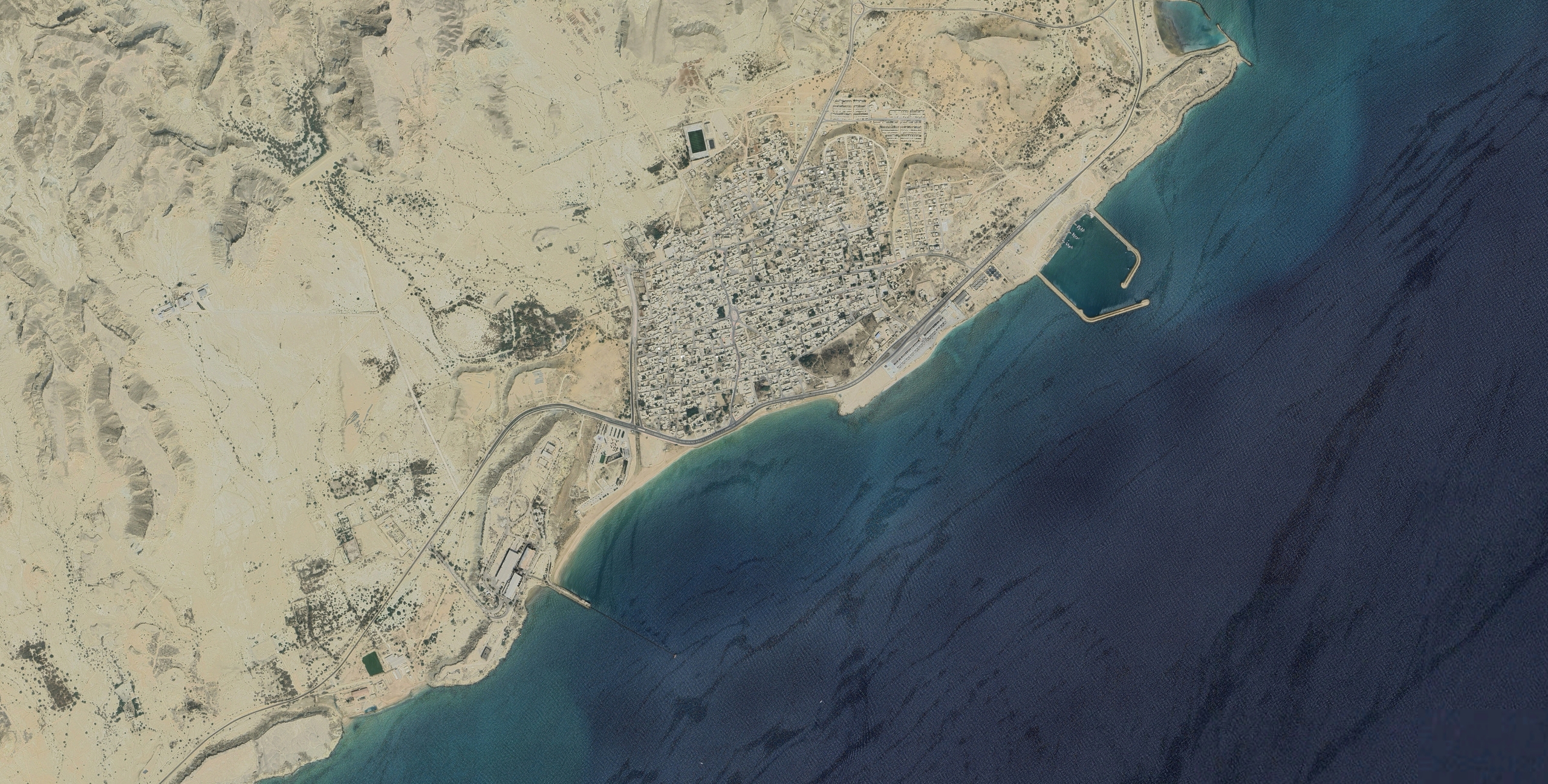
The United States military carried out targeted strikes on Iran’s Qeshm Island late Monday, November 2, 2026, according to a report by The Wall Street Journal citing U.S. defense officials. The military action directly targets sovereign Iranian territory situated at the critical entrance to the Strait of Hormuz, representing a significant escalation after weeks of maritime skirmishes and proxy engagements. Unfolding hours after international markets had priced in potential de-escalation from backchannel mediation, the strike reintroduces an immediate geopolitical risk premium across global energy complexes, sovereign credit spreads, and cross-asset portfolios.
Strategic Targeting at the Hormuz Chokepoint
The operational focus on Qeshm Island carries outsized geopolitical and commercial weight due to its geographic position commanding the narrowest navigation corridors of the Strait of Hormuz. According to defense sources, the strike targeted Islamic Revolutionary Guard Corps (IRGC) coastal defense batteries, radar installations, and anti-ship missile launch sites utilized to project force over commercial transit lanes. U.S. authorities characterized the operation as a defensive measure designed to re-establish deterrence following repeated attacks on merchant vessels, including Sunday night’s projectile strike on a commercial tanker transiting the northern Gulf.
The kinetic intervention abruptly shifts the strategic calculus in Washington on the eve of the U.S. midterm elections. While earlier executive statements hinted at prioritizing diplomatic negotiations mediated via regional intermediaries in Qatar, this direct engagement demonstrates that operational threats to international sea lanes will trigger direct responses against Iranian launch points. The destruction of military assets on Qeshm challenges Tehran’s maritime denial strategy, but raises immediate concerns over asymmetric retaliation against regional infrastructure.
Immediate Market Reversal and Repercussions for Israeli Portfolios
The news catalyzed an immediate reversal across global commodity benchmarks during early Asian trading on Tuesday. Crude oil futures rebounded sharply from Monday’s diplomatic selloff, with Brent pushing back toward $116 per barrel and West Texas Intermediate (WTI) advancing firmly above $103. Institutional trading desks quickly rebuilt protective hedges, pricing in the possibility of retaliatory drone activity against Gulf processing facilities or expanded mining of international shipping lanes, which handle approximately one-fifth of global petroleum flows.
For Israeli financial markets and domestic institutional allocators, the strike on Qeshm Island carries profound cross-asset implications. A heightened military posture in the Gulf solidifies structural upward pressure on global energy prices, reinforcing imported inflation risks that complicate monetary policy for the Bank of Israel. On the Tel Aviv Stock Exchange (TASE), equity indices face short-term multiple pressure from elevated sovereign credit default swaps, while domestic offshore natural gas producers stand to see expanded regional valuation support. Israeli institutional managers are maintaining defensive allocations in short-duration sovereign paper and foreign-currency cash reserves to navigate heightened regional volatility.
Outlook: Retaliation Threats, Shipping Transit Data, and Post-Election Policy
Moving into upcoming sessions, market participants will closely monitor Tehran’s formal response, including whether Iran’s military leadership attempts to disrupt commercial tanker passage through the Strait of Hormuz or targets coalition bases in the Persian Gulf. Key metrics to track include marine war-risk insurance revisions from Lloyd’s underwriters, daily vessel transit velocities through Hormuz, and post-election foreign policy declarations from Washington. If the Qeshm operation establishes effective tactical deterrence, oil benchmarks may consolidate near current levels; however, any retaliatory escalation against regional energy infrastructure could trigger a severe supply shock across global capital markets.
Comparison, examination, and analysis between investment houses
Leave your details, and an expert from our team will get back to you as soon as possible
* This article, in whole or in part, does not contain any promise of investment returns, nor does it constitute professional advice to make investments in any particular field.
To read more about the full disclaimer, click here
- omer bar
- •
- 6 Min Read
- •
- ago 15 hours
SKN | Gold Holds Near $3,950 as US-Iran Diplomatic Progress Eases Inflation Concerns
Gold Recovers as Oil Prices Decline Gold prices stabilized near $3,950 per ounce on Tuesday after rising almost 2% during
- ago 15 hours
- •
- 6 Min Read

Gold Recovers as Oil Prices Decline Gold prices stabilized near $3,950 per ounce on Tuesday after rising almost 2% during

- orshu
- •
- 7 Min Read
- •
- ago 17 hours
SKN | Gold Rebounds Toward $3,960 as Easing Oil Prices and Shifting Sentiment Check Hawkish Fed Bets
Gold advanced for a second consecutive session on Tuesday, November 3, 2026, trading near $3,955 per troy ounce as a
- ago 17 hours
- •
- 7 Min Read

Gold advanced for a second consecutive session on Tuesday, November 3, 2026, trading near $3,955 per troy ounce as a

- sagi habasov
- •
- 6 Min Read
- •
- ago 23 hours
SKN | Wall Street Rises as Oil Prices Fall Ahead of U.S. Midterm Elections
Wall Street's main indexes moved higher on Monday as oil prices fell more than 7% on renewed hopes for
- ago 23 hours
- •
- 6 Min Read

Wall Street's main indexes moved higher on Monday as oil prices fell more than 7% on renewed hopes for
- sagi habasov
- •
- 7 Min Read
- •
- ago 1 day
SKN | Estée Lauder Beats First-Quarter Expectations and Raises Fiscal 2027 Outlook as Fragrance Drives Growth
Estée Lauder Companies delivered a stronger-than-expected first quarter of fiscal 2027, supported by revenue growth, improved operating margins, and
- ago 1 day
- •
- 7 Min Read

Estée Lauder Companies delivered a stronger-than-expected first quarter of fiscal 2027, supported by revenue growth, improved operating margins, and
