




- omer bar
- •
- 7 Min Read
- •
- 6 days ago


Key Points
- Shell reports higher shipping lease costs: Soaring freight rates increased Shell's shipping lease costs by $5.4 billion in the third quarter compared with the previous quarter, adding to reported net debt through a non-cash accounting effect.
- TotalEnergies faces lower realized prices: The French energy major reported that shipping costs had risen from approximately $2–$3 per barrel to around $25, contributing to a $6-per-barrel decline in liquids price realization.
- Hormuz disruptions drive freight pressures: Elevated tanker rates reflect shipping constraints associated with Middle Eastern oil exports and vessel movements around the Strait of Hormuz, with companies expecting relief if transit conditions normalize.
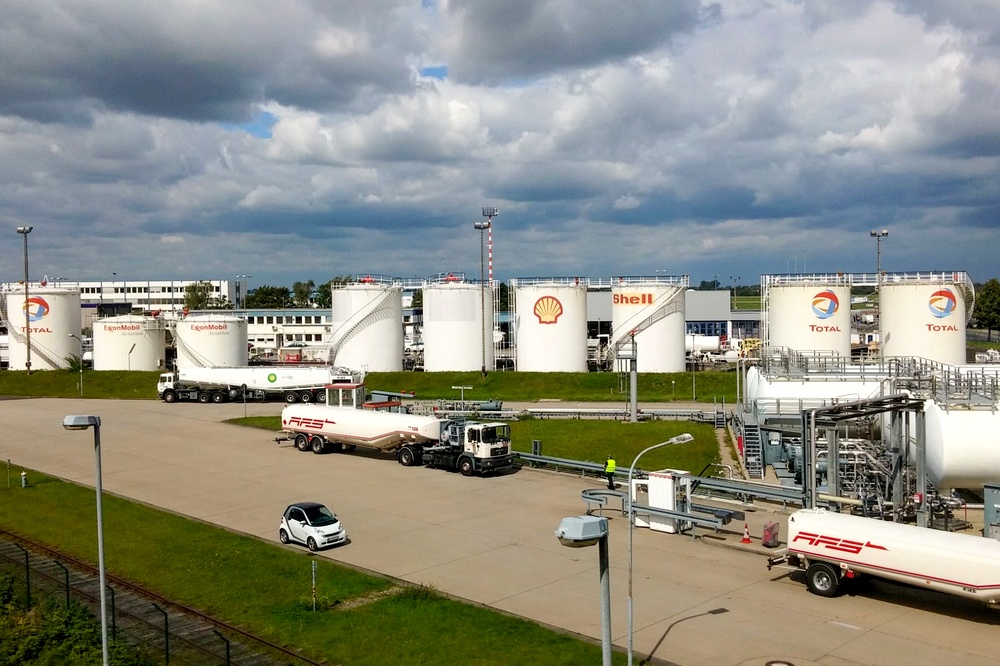
Shipping Costs Become a Major Burden for Energy Companies
Shell and TotalEnergies are facing rising logistics costs as disruptions to oil transportation routes push tanker freight rates higher. The pressure is affecting Shell’s reported net debt and weighing on the prices TotalEnergies receives for its liquid fuels.
Shell said on Thursday that shipping lease costs increased by $5.4 billion in the third quarter compared with the previous three months. The company attributed the increase to a non-cash accounting effect that is added to its net debt.
Shell does not disclose the absolute cost of its shipping leases, which relate to long-term vessel contracts used to transport hydrocarbons. However, the latest figures illustrate the financial impact that elevated freight rates can have on energy companies, even when the increase does not immediately represent a cash outflow.
Strait of Hormuz Disruptions Push Tanker Rates Higher
Oil tanker spot rates reached an all-time high in early October as Middle Eastern producers increased exports through shuttle services and ship-to-ship transfers to move crude oil out of the Strait of Hormuz.
These arrangements tied up vessels and contributed to tighter shipping availability. As a result, transportation costs increased sharply along key routes connecting Middle Eastern producers with Asian buyers.
Shell Chief Financial Officer Sinead Gorman said freight costs on routes between the Middle East and China were approximately ten times higher than a year earlier.
Gorman also noted that shipping expenses were beginning to affect margins, including refining margins. She said Shell expected lease costs to decline again once shipping through the Strait of Hormuz returned to more normal conditions.
Shell’s Net Debt Reflects Higher Lease Costs
The third-quarter increase follows a broader rise in shipping-related expenses during 2026. Shell and a company spokesperson said cumulative increases in shipping leases during the first nine months of the year were $8 billion higher than in the corresponding period of 2025.
The non-cash accounting treatment is important when interpreting the figures. The $5.4 billion increase adds to reported net debt, but it should not be interpreted as an equivalent immediate cash payment.
Nevertheless, higher lease costs can affect reported financial metrics and reflect the economic pressure created by constrained shipping capacity. The eventual impact will depend partly on how quickly freight rates normalize.
TotalEnergies Faces Pressure on Liquids Price Realization
TotalEnergies has experienced a direct impact on the prices it receives for liquid fuels. Chief Executive Patrick Pouyanné said shipping costs had risen from approximately $2–$3 per barrel to around $25 per barrel.
The company attributed a $6-per-barrel reduction in liquids price realization in the third quarter, compared with the previous quarter, primarily to higher shipping costs.
This illustrates how elevated freight rates can reduce the amount energy producers retain from sales, even when the underlying commodity market remains supportive. The pressure also highlights the importance of transportation routes and logistics availability in determining realized prices.
What Investors Should Watch Next
Investors will monitor tanker freight rates, shipping activity through the Strait of Hormuz and the pace at which vessel availability improves. A normalization of transit conditions could reduce shipping lease costs and ease pressure on realized prices and refining margins.
Until then, elevated transportation expenses remain a significant factor for energy companies with exposure to Middle Eastern oil flows. The next developments in shipping conditions will help determine whether the third-quarter pressures persist or begin to reverse.
Comparison, examination, and analysis between investment houses
Leave your details, and an expert from our team will get back to you as soon as possible
* This article, in whole or in part, does not contain any promise of investment returns, nor does it constitute professional advice to make investments in any particular field.
To read more about the full disclaimer, click here
- omer bar
- •
- 5 Min Read
- •
- ago 22 hours
SKN | Oil Prices Fall Below $95 as U.S. Signals Shift on Israel Aid and Iran Tensions Ease
Oil Reverses Early Gains Crude oil prices reversed earlier gains on Tuesday, falling more than 2% to below $95 per
- ago 22 hours
- •
- 5 Min Read

Oil Reverses Early Gains Crude oil prices reversed earlier gains on Tuesday, falling more than 2% to below $95 per

- Ronny Mor
- •
- 8 Min Read
- •
- ago 1 day
SKN | Oil Prices Edge Higher After Reported US Strike on Iran’s Qeshm Island
Oil Rebounds After Reported US Strike Oil prices moved modestly higher on Tuesday after reports of a US strike on
- ago 1 day
- •
- 8 Min Read

Oil Rebounds After Reported US Strike Oil prices moved modestly higher on Tuesday after reports of a US strike on
- omer bar
- •
- 6 Min Read
- •
- ago 6 days
SKN | Crude Oil Falls Below $101 as Iran Diplomacy Hopes Ease Supply Concerns
Crude Oil Declines on Diplomatic Developments Crude oil prices fell below $101 per barrel on Thursday as traders weighed renewed
- ago 6 days
- •
- 6 Min Read

Crude Oil Declines on Diplomatic Developments Crude oil prices fell below $101 per barrel on Thursday as traders weighed renewed
- Ronny Mor
- •
- 7 Min Read
- •
- ago 7 days
SKN | US Crude and Distillate Inventories Fall as Oil Exports Rise, EIA Reports
US Crude Inventories Fall More Than Expected US crude oil inventories declined in the week ended October 23, while distillate
- ago 7 days
- •
- 7 Min Read

US Crude Inventories Fall More Than Expected US crude oil inventories declined in the week ended October 23, while distillate
