





- Ronny Mor
- •
- 6 Min Read
- •
- 26 seconds ago


Key Points
- Brent crude futures gained approximately 1.67% over the five-trading-day period, reaching $111.70 a barrel in the latest displayed quote.
- A sharp intraperiod decline followed by a partial recovery highlighted the market’s sensitivity to changing supply expectations and geopolitical risk.
- The outlook depends on whether supply pressures ease and demand remains resilient, with volatility, inflation and currency movements continuing to shape the broader market.

Brent crude oil entered the end of the trading week at elevated levels, but its uneven price path raised questions about the durability of the rally. The latest displayed quote, dated October 23, 2026, put futures at $111.70 a barrel, up $3.04, or 2.80%, in the latest session and approximately 1.67% over five trading days.
A Weekly Gain Masks a Sharp Reversal
The five-day performance was positive overall, yet the price action was far from stable. Brent advanced from levels around $109 early in the period toward $114–$115 before falling sharply on October 23 and subsequently recovering part of the decline. This pattern suggests that traders were reassessing the balance between supply risks and the possibility of prices easing from recent highs.
The recovery indicates that buyers remained active after the sell-off, but it does not establish that the upward trend will continue. The displayed quote and weekly percentage change provide a useful snapshot, rather than a complete explanation of the forces behind the move. A sustained decline would require more than a single sharp reversal; it would likely need evidence that supply availability is improving, demand expectations are weakening, or the geopolitical premium embedded in prices is diminishing.
Supply Risks and the Case for Lower Prices
The prospect of an oil-price slide depends partly on whether concerns about disrupted shipments and production can recede. If transportation routes remain accessible, producers maintain output and inventories become more comfortable, prices could face downward pressure. Conversely, renewed disruption to key export routes or infrastructure could quickly restore a risk premium and limit any correction.
At $111.70 a barrel, Brent remains sensitive to developments that affect the physical market as well as expectations for future supply. The possibility of lower prices should therefore be treated as a scenario, not a confirmed direction. Without verified evidence of improving supply or weakening demand, the latest decline cannot by itself establish that a broader bearish trend has begun.
Inflation, Interest Rates and the Global Outlook
Oil prices matter well beyond energy markets. Persistently high crude prices can raise transportation and production costs, complicate inflation forecasts and limit central banks’ room to reduce interest rates. For Israel and other energy-importing economies, the impact also depends on exchange-rate movements: shekel volatility against the dollar can amplify or soften changes in the local-currency cost of imported energy.
A sustained fall in Brent could ease some cost pressures for businesses and households, although the benefit would depend on the scale and duration of the decline and how quickly lower prices pass through to consumers. A renewed supply shock could produce the opposite outcome, adding inflation risks at a time when investors are already sensitive to interest-rate expectations and geopolitical uncertainty.
Looking ahead, markets will be watching changes in oil shipments, producer output, inventories, global demand indicators and geopolitical developments. Brent could retreat if supply conditions improve and risk premiums fade, but renewed disruption could keep prices elevated or trigger another sharp advance. The next week’s price direction will depend on whether the market receives convincing evidence of a more comfortable supply-demand balance.
Comparison, examination, and analysis between investment houses
Leave your details, and an expert from our team will get back to you as soon as possible
* This article, in whole or in part, does not contain any promise of investment returns, nor does it constitute professional advice to make investments in any particular field.
To read more about the full disclaimer, click here
- sagi habasov
- •
- 6 Min Read
- •
- ago 5 hours
SKN | Gold Slips as Potential Fed Rate Hike Weighs on Bullion
Gold Retreats as Investors Assess Rate Expectations Gold prices edged lower during Asian trading as investors weighed the outlook for
- ago 5 hours
- •
- 6 Min Read

Gold Retreats as Investors Assess Rate Expectations Gold prices edged lower during Asian trading as investors weighed the outlook for

- Lior mor
- •
- 6 Min Read
- •
- ago 9 hours
SKN | Oil Pulls Back as U.S.-Iran Diplomatic Talks Pare Geopolitical Risk Premium
Crude oil futures fell during early trading as financial markets responded to an intensifying diplomatic push aimed at diffusing confrontations
- ago 9 hours
- •
- 6 Min Read

Crude oil futures fell during early trading as financial markets responded to an intensifying diplomatic push aimed at diffusing confrontations

- Ronny Mor
- •
- 7 Min Read
- •
- ago 14 hours
SKN | Can the U.S. and Canada Reach a Steel and Auto Tariff Deal Before the Midterms?
The United States and Canada are intensifying discussions over a potential agreement to ease tariffs on Canadian steel and
- ago 14 hours
- •
- 7 Min Read
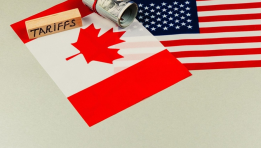
The United States and Canada are intensifying discussions over a potential agreement to ease tariffs on Canadian steel and
- sagi habasov
- •
- 6 Min Read
- •
- ago 15 hours
SKN | Oil Prices Settle Lower as Middle East Peace Hopes Offset Saudi Arabia Supply Risks
Oil prices settled lower on Monday as renewed diplomatic efforts in the Middle East raised hopes that regional hostilities
- ago 15 hours
- •
- 6 Min Read

Oil prices settled lower on Monday as renewed diplomatic efforts in the Middle East raised hopes that regional hostilities

