





- sagi habasov
- •
- 6 Min Read
- •
- 3 minutes ago


Key Points
- Microsoft is offering voluntary buyouts to around 60,000 employees, representing more than a quarter of its global workforce.
- The program covers eligible workers in the U.S., Canada, India and the U.K. across selected teams, including AI experiences, Copilot, finance, human resources, Xbox and Windows + Devices.
- The move comes as Microsoft plans approximately $175 billion in capital expenditures for 2026, with AI infrastructure accounting for a major share of spending.

Microsoft is offering voluntary buyouts to approximately 60,000 employees as the technology giant seeks to contain costs while committing enormous resources to artificial intelligence infrastructure. The workforce adjustment represents more than a quarter of Microsoft’s global workforce and highlights the growing tension between AI investment requirements and the need to maintain operating efficiency.
Large-Scale Buyout Targets Selected Teams
The voluntary exit program is available to eligible employees at level 70 and below in participating teams across the United States, Canada, India and the United Kingdom. Microsoft said the initiative is time-limited and builds on experience from an earlier voluntary retirement program.
According to sources familiar with the matter, participating areas include AI experiences, Copilot, finance, human resources, Xbox and Windows + Devices. Marketing, commercial business and security are excluded, indicating that the program is not designed as a uniform reduction across the company’s operations.
AI Infrastructure Spending Raises Cost Pressure
The workforce initiative comes as Microsoft substantially increases spending on computing capacity needed to support its AI ambitions. The company has forecast approximately $175 billion in capital expenditures for 2026, with major investments directed toward data centers, chips and other infrastructure required to expand its AI capabilities.
The scale of that investment is changing the composition of Microsoft’s cost base. Capital is increasingly being directed toward infrastructure capable of supporting Azure, Copilot and other AI services, creating pressure to identify savings elsewhere in the organization. Workforce restructuring can provide one avenue for reducing recurring operating costs while allowing Microsoft to continue prioritizing strategic technology spending.
Workforce Strategy Shifts Alongside AI Expansion
The latest offer follows other workforce adjustments during 2026, including a previous voluntary retirement program and job reductions affecting thousands of employees. The repeated use of voluntary programs suggests Microsoft is seeking greater flexibility in adjusting its workforce while limiting the disruption associated with broad involuntary layoffs.
The approach also reflects a wider technology-sector shift toward reallocating resources around AI. Companies are increasingly examining whether existing staffing structures match changing product priorities, particularly as automation and AI-assisted development alter how some functions are performed. For Microsoft, the challenge is balancing those efficiencies with the specialized talent required to develop and operate increasingly complex AI systems.
Investors Await Evidence of Sustainable Cost Control
Microsoft’s latest move comes ahead of its quarterly financial results, making workforce costs and AI spending important areas of investor attention. The key question is whether reductions in recurring labor expenses can meaningfully offset the enormous costs associated with expanding AI infrastructure without weakening the businesses responsible for Microsoft’s long-term growth.
The number of employees ultimately accepting the offer will determine the immediate scale of the workforce reduction. Markets will also watch whether Microsoft announces additional restructuring measures, how capital spending evolves and whether AI-related revenue growth can justify the rising infrastructure costs. The company’s ability to improve operating efficiency while sustaining AI investment will remain central to its financial strategy as the technology industry enters a more capital-intensive phase of the AI expansion.
Comparison, examination, and analysis between investment houses
Leave your details, and an expert from our team will get back to you as soon as possible
* This article, in whole or in part, does not contain any promise of investment returns, nor does it constitute professional advice to make investments in any particular field.
To read more about the full disclaimer, click here
- Arik Arkadi Sluzki
- •
- 6 Min Read
- •
- ago 3 minutes
SKN | Wall Street Banks and Blackstone Line Up $63 Billion to Finance Broadcom AI Chips for Anthropic
Wall Street banks and Blackstone are assembling as much as $63 billion in financing to support the deployment of
- ago 3 minutes
- •
- 6 Min Read

Wall Street banks and Blackstone are assembling as much as $63 billion in financing to support the deployment of

- orshu
- •
- 6 Min Read
- •
- ago 3 minutes
SKN | U.S. Judge Allows Eli Lilly Weight-Loss Drug Ads to Continue in Legal Dispute With Novo Nordisk
A U.S. judge has declined to block Eli Lilly’s advertising for its weight-loss drugs in a legal dispute with
- ago 3 minutes
- •
- 6 Min Read

A U.S. judge has declined to block Eli Lilly’s advertising for its weight-loss drugs in a legal dispute with

- omer bar
- •
- 6 Min Read
- •
- ago 5 minutes
SKN | Boeing Faces Quarterly Loss as Production Challenges Offset Recent Wins
Boeing is expected to report a small quarterly loss despite a series of important contract, certification and delivery achievements,
- ago 5 minutes
- •
- 6 Min Read

Boeing is expected to report a small quarterly loss despite a series of important contract, certification and delivery achievements,

- Lior mor
- •
- 6 Min Read
- •
- ago 1 hour
SKN | SpaceX Secures $40 Billion Apollo Deal to Finance AI Chip Expansion
SpaceX is arranging one of the largest financing transactions tied to artificial intelligence infrastructure as it expands its computing
- ago 1 hour
- •
- 6 Min Read
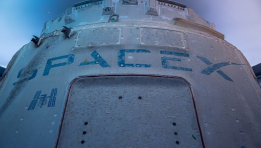
SpaceX is arranging one of the largest financing transactions tied to artificial intelligence infrastructure as it expands its computing

