




- orshu
- •
- 7 Min Read
- •
- 1 minute ago


Key Points
- Major Israeli indices decline: The TA-35 fell 1.09%, while the TA-125 dropped 0.93% and the TA-90 declined 0.40% at the close.
- Market breadth favors declining stocks: The TA-35 recorded 27 declining securities against eight advancing securities, while the TA-125 reported 77 decliners and 43 advancers.
- Trading activity remains substantial: The TA-125 recorded approximately NIS 2.76 billion in trading turnover, while the TA-200 recorded approximately NIS 2.79 billion.
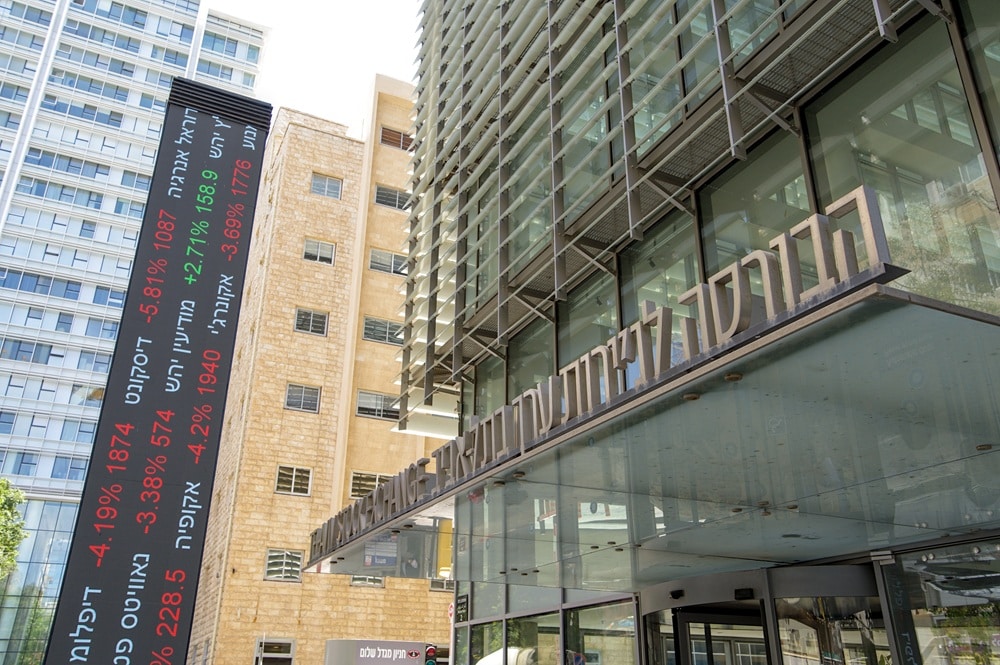
The Tel Aviv Stock Exchange closed lower on October 22, 2026, as declines across the leading Israeli equity benchmarks reflected broad selling pressure during the session. The TA-35 and TA-125 recorded notable losses, while the majority of securities in several major indices finished lower. Despite the weaker close, substantial trading turnover across the broad-market benchmarks indicated active participation in the Israeli equity market.
TA-35 and TA-125 Lead the Decline in Israeli Equities
The TA-35 closed at 4,166.25, falling 1.09% and recording the largest decline among the leading indices listed. The index registered eight advancing securities against 27 declining securities, highlighting the negative breadth among its constituents. Trading turnover reached approximately NIS 2.04 billion, demonstrating substantial activity in the country’s leading listed companies.
The broader TA-125 declined 0.93% to 4,067.91. Its constituents recorded 43 advancing securities compared with 77 declining securities, indicating that losses extended beyond the largest companies represented in the TA-35. Turnover in the TA-125 reached approximately NIS 2.76 billion, making it one of the most actively traded benchmarks in the supplied data.
The divergence between the indices’ percentage declines was relatively limited, suggesting that weakness affected both large-cap and broader-market equities. However, the available figures do not identify the individual companies, sectors, or economic developments responsible for the declines. Further company-level and sector-level data would be necessary to determine the primary drivers of the session.
Mid-Cap and Broader Indices Also Finish Lower
The TA-90 fell 0.40% to 3,776.01, while the TA-SME60 declined 0.42% to 1,274.50. Both indices performed better than the TA-35 and TA-125 in percentage terms, although each finished the session in negative territory. The TA-90 recorded 35 advancing securities and 50 declining securities, while the TA-SME60 reported 19 advancers against 40 decliners.
The TA-200 declined 0.63% to 3,950.14, with 65 advancing securities and 126 declining securities. Trading turnover reached approximately NIS 2.79 billion, the highest reported amount among the indices presented. Meanwhile, the TA 90 and Banks index fell 0.52% to 4,003.74, recording 35 advancing securities and 55 declining securities.
The TA Sector-Balance index lost 0.79% to 4,677.99, while the TA-20 recorded the steepest decline among the listed indices, falling 1.33% to 3,968.59. These differences demonstrate that the magnitude of losses varied across market segments, even as the overall direction remained negative.
Trading Turnover and Market Breadth Highlight Investor Activity
The session’s trading data provide additional insight into the scale of activity accompanying the declines. The TA-125 recorded approximately NIS 2.76 billion in turnover, while the TA-200 registered approximately NIS 2.79 billion. The TA-35 also generated approximately NIS 2.04 billion in turnover. These figures indicate substantial trading activity, although turnover alone cannot establish whether institutional investors were selling, retail investors were repositioning, or particular portfolio strategies were driving transactions.
Market breadth was another notable feature. Declining securities outnumbered advancing securities across every listed index, including the TA-35, TA-90, TA-125, TA-SME60, TA-200, TA Sector-Balance, and TA-20. This consistent pattern indicates that the session’s weakness was not limited to a single benchmark.
Looking ahead, investors will monitor the next trading sessions for signs of stabilization or continued selling pressure across Israeli equities. Company earnings, sector-specific developments, economic indicators, interest-rate expectations, and geopolitical risks may influence market sentiment. The key question is whether declining market breadth persists or whether participation improves across the major indices. Further turnover data and individual sector performance will help clarify whether the latest declines represent a temporary setback or a more sustained shift in investor positioning.
Comparison, examination, and analysis between investment houses
Leave your details, and an expert from our team will get back to you as soon as possible
* This article, in whole or in part, does not contain any promise of investment returns, nor does it constitute professional advice to make investments in any particular field.
To read more about the full disclaimer, click here
- orshu
- •
- 7 Min Read
- •
- ago 1 minute
SKN | European Market Overview: October 22, 2026 – Eurozone Stocks Slide as Selling Pressure Spreads Across Major Indices
European financial markets closed on October 22, 2026, with widespread declines across major equity benchmarks, led by losses in
- ago 1 minute
- •
- 7 Min Read
European financial markets closed on October 22, 2026, with widespread declines across major equity benchmarks, led by losses in
- orshu
- •
- 8 Min Read
- •
- ago 7 hours
SKN | Asian Markets Close Lower as Hang Seng, KOSPI and Nikkei Lead Regional Sell-Off
Asian Stock Markets End Session Under Broad Selling Pressure Asian equity markets finished the session predominantly in negative territory, with
- ago 7 hours
- •
- 8 Min Read

Asian Stock Markets End Session Under Broad Selling Pressure Asian equity markets finished the session predominantly in negative territory, with

- sagi habasov
- •
- 5 Min Read
- •
- ago 9 hours
SKN | European Markets Trade Lower as Major Stock Indices Face Broad Selling Pressure
European equity markets are trading lower, with major regional benchmarks posting losses as the trading session continues. The FTSE 100,
- ago 9 hours
- •
- 5 Min Read

European equity markets are trading lower, with major regional benchmarks posting losses as the trading session continues. The FTSE 100,
- orshu
- •
- 7 Min Read
- •
- ago 19 hours
SKN | Americas Market Overview: Nasdaq Gains 1.05% as U.S. and Canadian Stocks Advance
Nasdaq Leads U.S. Equity Gains U.S. stock markets finished higher across the major benchmarks, with the Nasdaq recording the strongest
- ago 19 hours
- •
- 7 Min Read

Nasdaq Leads U.S. Equity Gains U.S. stock markets finished higher across the major benchmarks, with the Nasdaq recording the strongest
