




- Ronny Mor
- •
- 7 Min Read
- •
- 1 minute ago


Key Points
- Crude prices remain elevated: West Texas Intermediate traded near $93 a barrel after gaining 2.1% in the previous session, while Brent settled near $107.
- Supply disruption risks intensify: Houthi attacks on Saudi Arabia and escalating strikes on tankers near the Strait of Hormuz are threatening the recovery of regional oil exports.
- Ceasefire uncertainty adds volatility: Questions surrounding U.S. President Donald Trump's Russia-Ukraine energy ceasefire claims have added another layer of uncertainty to energy markets.
Oil Markets Remain Focused on Supply Security
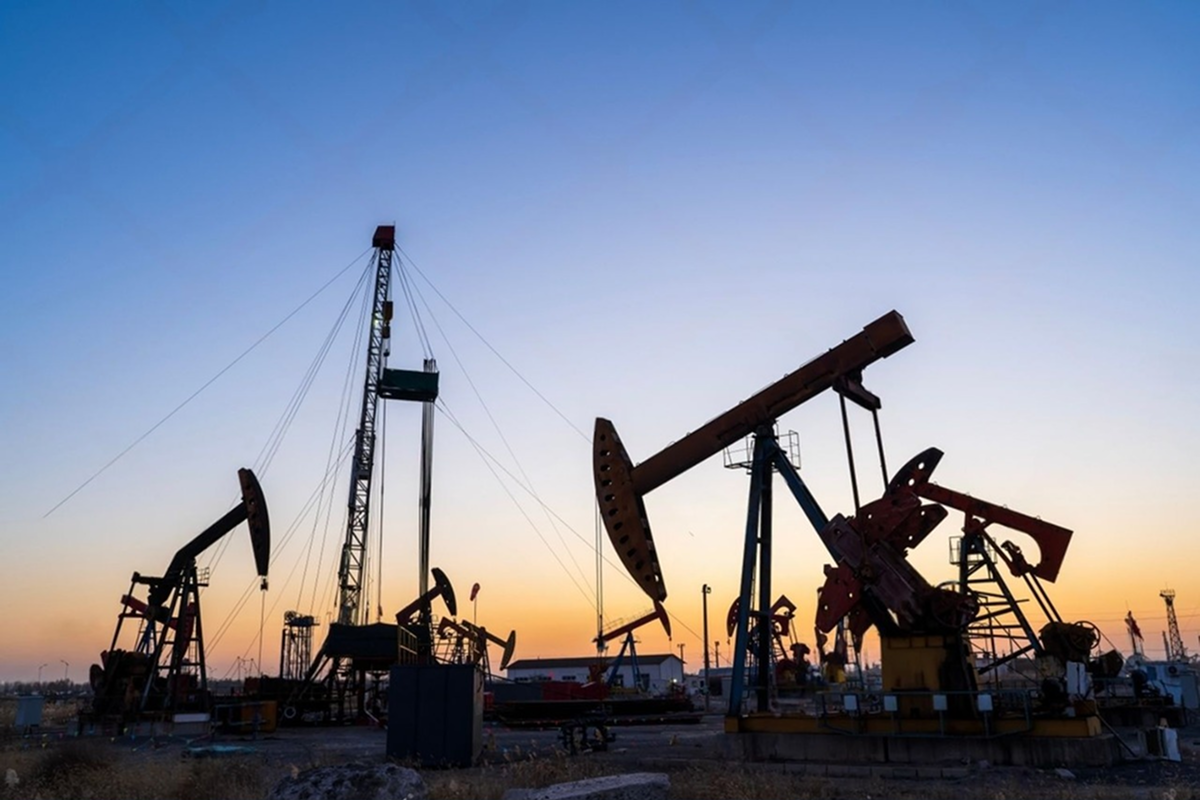
Oil prices held recent gains as escalating conflict across the Middle East threatened to disrupt energy production, transportation and export flows. West Texas Intermediate traded near $93 per barrel after rising 2.1% in the previous session, while Brent crude settled near $107. The elevated prices reflect concerns that renewed attacks could undermine efforts to restore regional supplies following earlier disruptions.
Brent has risen more than 70% this year, according to the supplied report, as the U.S. war on Iran has intensified pressure on energy markets. The latest developments highlight how geopolitical risk can influence crude prices even when traders receive conflicting signals about potential diplomatic progress.
For investors, the central concern is whether disruptions will materially reduce the volume of oil reaching international markets. If supply interruptions persist, refiners and energy-importing economies could face higher costs. Conversely, evidence of sustained improvements in export flows could ease some of the upward pressure on prices.
Saudi Arabia and the Strait of Hormuz Face Renewed Pressure
A series of drone and missile attacks by Iran-backed Houthi militants on Saudi Arabia’s main airport has intensified pressure on Washington to respond to the conflict in Yemen. The attacks followed a campaign by Saudi-led forces seeking to retake territory held by the Houthis, adding to uncertainty around regional security.
At the same time, strikes on tankers near the Strait of Hormuz have complicated the recovery of Persian Gulf oil exports. The strategic waterway is a critical route for energy shipments, and growing security concerns have led more vessels to turn away from a port in the United Arab Emirates that had been helping regional exports recover toward prewar levels.
These developments create risks beyond the immediate loss of individual shipments. Threats to shipping routes can increase transportation expenses, insurance costs and delivery uncertainty, potentially affecting prices throughout the global energy supply chain.
The market impact will depend on the duration and scale of the disruption. A sustained reduction in shipping activity could keep crude prices elevated, while improved security and reliable export flows could reduce the risk premium embedded in oil futures.
Russia-Ukraine Ceasefire Claims Add Another Source of Uncertainty
Oil traders are also assessing conflicting signals surrounding Trump’s announcement of an energy ceasefire between Russia and Ukraine. Ukrainian President Volodymyr Zelenskyy said Ukraine would continue attacking Russia while Moscow continued targeting Ukrainian energy infrastructure.
Trump acknowledged that violations had occurred but urged Zelenskyy and Russian President Vladimir Putin to work toward ending the war. The uncertainty has weakened confidence that the announcement will produce an immediate and lasting reduction in attacks on energy assets.
For oil markets, the implications extend to expectations for Russian supply and the security of energy infrastructure. A durable reduction in attacks could support supply recovery, but further strikes would complicate the outlook.
Energy specialist Scott Shelton of TP ICAP Group described the start of the week as unsettled amid the competing geopolitical developments. Investors will continue monitoring attacks on infrastructure, tanker movements and evidence of actual changes in oil shipments rather than relying solely on diplomatic announcements.
Comparison, examination, and analysis between investment houses
Leave your details, and an expert from our team will get back to you as soon as possible
* This article, in whole or in part, does not contain any promise of investment returns, nor does it constitute professional advice to make investments in any particular field.
To read more about the full disclaimer, click here
- Lior mor
- •
- 7 Min Read
- •
- ago 4 days
SKN | Could China’s Fuel Export Resumption Ease Global Diesel and Gasoline Supply Pressures?
China is set to resume refined fuel exports for October following a temporary suspension during its Golden Week holiday, potentially
- ago 4 days
- •
- 7 Min Read

China is set to resume refined fuel exports for October following a temporary suspension during its Golden Week holiday, potentially

- Ronny Mor
- •
- 6 Min Read
- •
- ago 4 days
SKN | Could Renewed Hormuz Tensions Push Oil Prices Back Above $100?
Oil markets are once again facing a combination of geopolitical and supply-side risks, pushing crude prices sharply higher as traders
- ago 4 days
- •
- 6 Min Read
Oil markets are once again facing a combination of geopolitical and supply-side risks, pushing crude prices sharply higher as traders
- Lior mor
- •
- 7 Min Read
- •
- ago 6 days
SKN | Could the G7’s 100 Million Barrel Oil Release Do Less Than Markets Expect?
Why Oil Prices Have Reacted Only Modestly The G7’s decision to release 100 million barrels of emergency oil stocks has
- ago 6 days
- •
- 7 Min Read

Why Oil Prices Have Reacted Only Modestly The G7’s decision to release 100 million barrels of emergency oil stocks has
- Ronny Mor
- •
- 7 Min Read
- •
- ago 6 days
SKN | Could Renewed Middle East Tensions Push Oil Back Toward $100?
Oil Rebounds as Geopolitical Risks Return Crude oil recovered from an early-session decline on Tuesday as renewed concerns about Middle
- ago 6 days
- •
- 7 Min Read

Oil Rebounds as Geopolitical Risks Return Crude oil recovered from an early-session decline on Tuesday as renewed concerns about Middle
