





- Lior mor
- •
- 6 Min Read
- •
- 27 seconds ago


Key Points
- The CBOE Volatility Index (^VIX) recorded a daily session decline of 3.70% (0.57 points) to close at 14.84, while noting a 5-day weekly net pullback of 3.07%.
- A dynamic market volatility trading session across U.S. options markets saw the fear gauge open at 15.34 and navigate an intraday channel between 14.77 and 15.34 from a previous close of 15.41.
- Trading volume remained unrecorded on the index level against an average daily volume of 0, as the index trades near the lower spectrum of its 52-week corridor of 13.38 to 35.30.
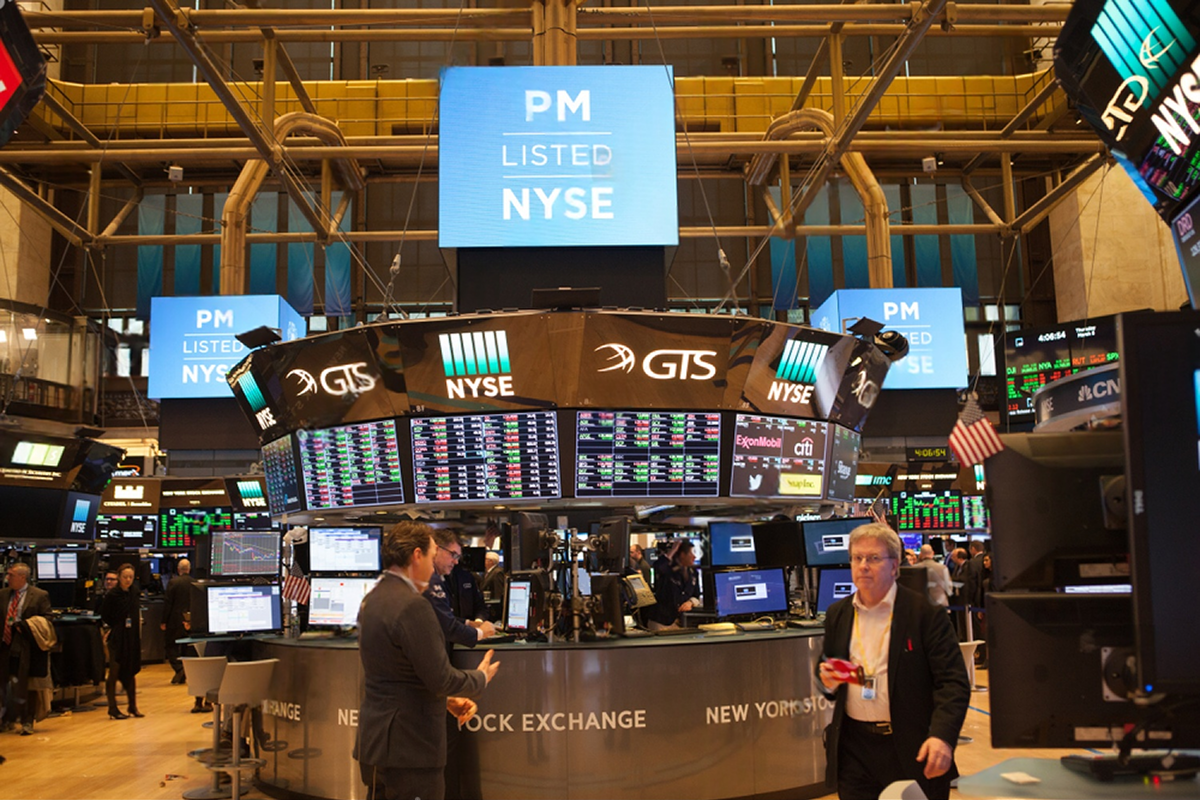
The CBOE Volatility Index (^VIX) finished the trading session on October 9, 2026, lower, dropping 3.70% (0.57 points) to settle near 14.84. The single-day decline extended a 5-day weekly net pullback of 3.07%, as options market participants evaluated U.S. equity market momentum, S&P 500 implied volatility expectations, central bank monetary policy clarity, and reduced near-term hedging demand. For global investors, including institutional asset managers in Israel tracking equity risk premiums, options hedging overlays, and multi-currency portfolio management, the CBOE Volatility Index serves as the premier global benchmark for measuring market sentiment, short-term equity market volatility, and investor risk perception.
Intraday Channel Navigation and 52-Week Range Metrics
During the October 9 session, the benchmark index opened at 15.34 and traversed an intraday trading channel bounded between a floor of 14.77 and a session peak of 15.34 before settling down -0.57 points (or 3.70%) at 14.84. Spot trading volume remained unrecorded on the index level against an average daily volume of 0. The closing quote leaves Wall Street’s fear gauge positioned in the lower tier of its broader 52-week trading corridor of 13.38 to 35.30, reflecting muted options demand and calm equity market trading conditions.
S&P 500 Option Pricing, Implied Volatility, and Risk Perception Drivers
A primary structural factor shaping recent CBOE Volatility Index momentum is the pricing of short-term puts and calls on the S&P 500 Index across Cboe Options Exchange facilities. Because the VIX measures 30-day forward-looking expected volatility derived from institutional options pricing, broad equity market advances, robust corporate earnings releases, and predictable central bank monetary policy trajectories naturally suppress implied volatility levels. Global asset managers continue evaluating option-derived risk metrics within broader strategic asset allocation models to calibrate portfolio tail-risk hedges across resilient capital markets.
Monetary Trajectory, Macro Dynamics, and Tail-Risk Hedging
While near-term technical support above 14.77 has held firmly, risk managers continue closely tracking potential macroeconomic friction points that could spark sudden volatility spikes. Key variables include upcoming U.S. Federal Reserve monetary policy interest rate decisions, inflation releases, corporate earnings announcements, geopolitical developments, and persistent currency volatility across foreign exchange channels—particularly USD/ILS, EUR/USD, and GBP/USD currency pairs. Israeli institutional allocators managing multi-currency portfolios remain focused on tracking these macroeconomic variables to evaluate risk-adjusted return profiles accurately.
Outlook: The outlook for the CBOE Volatility Index remains neutrally balanced, with technical momentum favoring a period of cautious consolidation near core support baselines to foster broader economic stabilization. Sustainable upward expansion toward resistance levels past 18.00 and 20.00 will likely depend on unexpected macroeconomic shocks, corporate earnings disappointments, or sudden geopolitical escalation. However, professional asset allocators should remain aware that prolonged low-volatility regimes can precede sudden risk-off shifts. Ultimately, future index performance will depend on the delicate balance between options market demand and evolving global macroeconomic conditions.
Comparison, examination, and analysis between investment houses
Leave your details, and an expert from our team will get back to you as soon as possible
* This article, in whole or in part, does not contain any promise of investment returns, nor does it constitute professional advice to make investments in any particular field.
To read more about the full disclaimer, click here
- Arik Arkadi Sluzki
- •
- 6 Min Read
- •
- ago 31 minutes
SKN | Russell 2000 Index (^RUT) Advances 0.46% Daily to 2,806.98 as 0.91% Weekly Pullback Holds Above 2,303 Support
The Russell 2000 Index (^RUT) finished the trading session on October 9, 2026, higher, advancing 0.46% (12.85 points) to
- ago 31 minutes
- •
- 6 Min Read

The Russell 2000 Index (^RUT) finished the trading session on October 9, 2026, higher, advancing 0.46% (12.85 points) to

- sagi habasov
- •
- 6 Min Read
- •
- ago 1 hour
SKN | S&P 500 (^GSPC) Advances 0.59% Daily to 7,811.54 as 1.15% Weekly Gain Holds Near 7,844 High
The S&P 500 Index (^GSPC) finished the trading session on October 9, 2026, higher, advancing 0.59% (46.18 points) to
- ago 1 hour
- •
- 6 Min Read

The S&P 500 Index (^GSPC) finished the trading session on October 9, 2026, higher, advancing 0.59% (46.18 points) to

- orshu
- •
- 7 Min Read
- •
- ago 3 hours
SKN | Dow Jones Industrial Average (^DJI) Advances 0.83% Daily to 51,654.95 as 0.93% Weekly Gain Holds Above 45,057 Support
The Dow Jones Industrial Average (^DJI) finished the trading session on October 9, 2026, higher, advancing 0.83% (423.31 points)
- ago 3 hours
- •
- 7 Min Read

The Dow Jones Industrial Average (^DJI) finished the trading session on October 9, 2026, higher, advancing 0.83% (423.31 points)

- Ronny Mor
- •
- 7 Min Read
- •
- ago 4 hours
SKN | NASDAQ Composite (^IXIC) Advances 0.64% Daily to 27,366.17 as 0.64% Weekly Gain Holds Above 20,690 Support
The NASDAQ Composite Index (^IXIC) finished the trading session on October 9, 2026, higher, advancing 0.64% (172.83 points) to
- ago 4 hours
- •
- 7 Min Read

The NASDAQ Composite Index (^IXIC) finished the trading session on October 9, 2026, higher, advancing 0.64% (172.83 points) to

