




- omer bar
- •
- 6 Min Read
- •
- 12 hours ago


Key Points
- Google is facing a mass consumer lawsuit in London worth more than £1 billion over commissions charged through its Play Store.
- The case represents around 20 million consumers who purchased apps, in-app products or subscriptions between 2015 and July 2026.
- The lawsuit adds to growing regulatory and legal pressure on Big Tech over control of digital marketplaces and their pricing structures.
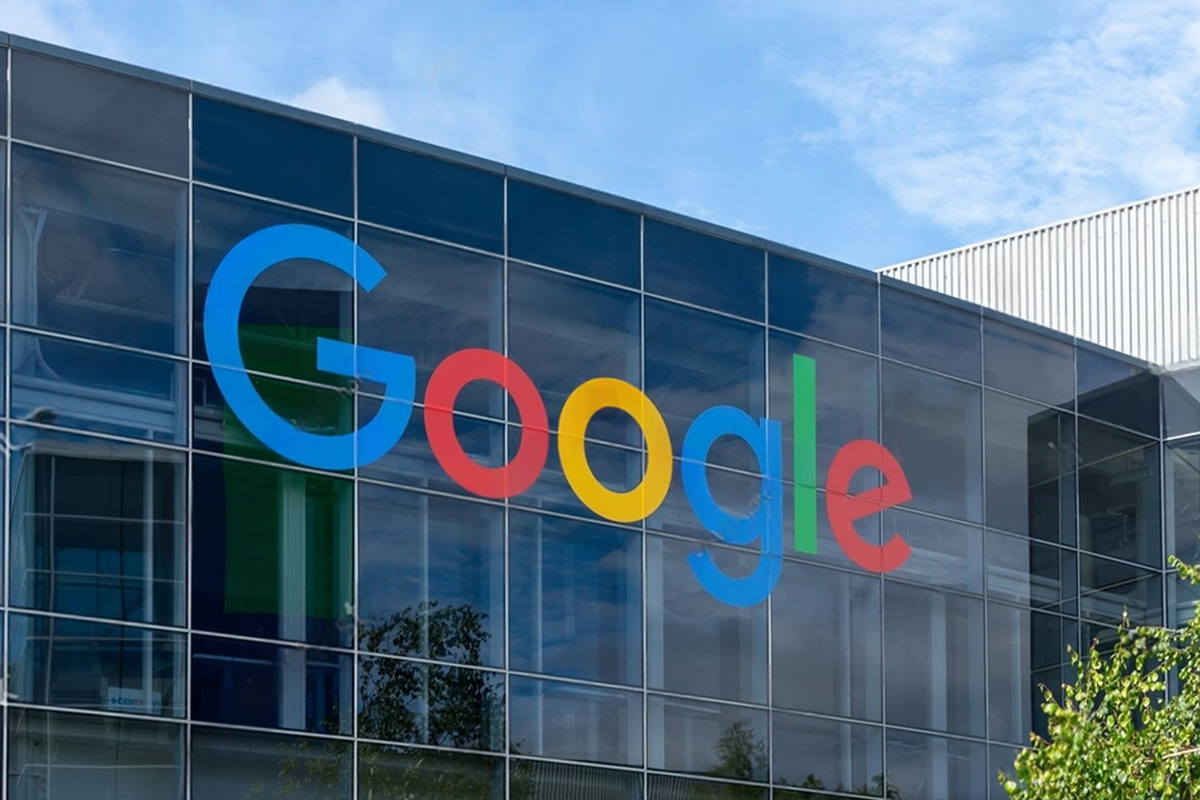
Google is facing a major legal challenge in the UK over the fees it charges through its Play Store, with a mass consumer lawsuit worth more than £1 billion beginning in London. The case highlights growing scrutiny of the economic power held by major technology platforms and the commissions they impose on businesses and consumers operating within their digital ecosystems.
Mass Consumer Claim Targets Google’s App Store Economics
The lawsuit, which began on October 6, alleges that Google abused its dominant position by imposing excessive commissions on app developers. The claim is being brought on behalf of approximately 20 million consumers who purchased applications through the Google Play Store, made in-app purchases or paid for subscriptions between 2015 and July 2026.
The scale of the claimant group makes the case particularly significant. Rather than focusing solely on individual developers, the proceedings seek to address the financial impact of Google’s app-store commission structure across a broad consumer base. The outcome could therefore have implications for how digital platforms structure fees and monetize access to their ecosystems.
Big Tech Faces Increasing Legal and Regulatory Pressure
The Google case is the latest in a series of legal challenges against major technology companies in Britain. Regulators and private claimants have increasingly focused on whether the market power of dominant platforms allows them to impose commercial terms that would not prevail in a more competitive environment.
For investors, the broader issue extends beyond the potential financial liability associated with a single lawsuit. Platform economics have become an increasingly important part of the technology sector’s business models, with app stores serving as critical gateways connecting developers, consumers and digital services. Legal challenges to commission structures could potentially affect the economics of these ecosystems if courts or regulators require changes to existing practices.
Potential Implications for Google and Digital Markets
The financial size of the claim puts the proceedings firmly within the wider debate over the economic influence of Big Tech. A judgment against Google could increase pressure on other digital platforms facing similar questions about commissions, competition and consumer pricing. Conversely, a successful defense could reinforce the company’s ability to maintain its existing commercial arrangements.
The case also illustrates how legal risk can become intertwined with broader regulatory developments. As governments examine competition within digital markets, technology companies increasingly face scrutiny not only over their products but also over the financial structures supporting their platforms. That creates an additional layer of uncertainty for companies whose businesses depend heavily on digital distribution networks.
What Investors Will Watch Next
The proceedings will now provide an important test of how UK courts assess the relationship between market dominance and app-store fees. Investors will be watching the legal arguments, potential damages and any implications for Google’s commission model. More broadly, the case could help shape expectations for future disputes involving digital marketplaces, particularly as governments and consumers continue to challenge the commercial practices of the world’s largest technology platforms.
Comparison, examination, and analysis between investment houses
Leave your details, and an expert from our team will get back to you as soon as possible
* This article, in whole or in part, does not contain any promise of investment returns, nor does it constitute professional advice to make investments in any particular field.
To read more about the full disclaimer, click here
- Lior mor
- •
- 7 Min Read
- •
- ago 17 hours
SKN | Google’s Nuclear Power Deal Signals a New AI Energy Trade — Which Stocks Could Benefit?
Google’s latest nuclear agreement highlights how the rapid expansion of artificial intelligence is increasingly becoming an energy infrastructure story.
- ago 17 hours
- •
- 7 Min Read

Google’s latest nuclear agreement highlights how the rapid expansion of artificial intelligence is increasingly becoming an energy infrastructure story.

- sagi habasov
- •
- 7 Min Read
- •
- ago 18 hours
SKN | AI’s $6 Trillion Revenue Challenge: Can the Global Buildout Create Enough Economic Value?
The artificial intelligence investment cycle is entering a more demanding phase as the enormous capital committed to data centers,
- ago 18 hours
- •
- 7 Min Read

The artificial intelligence investment cycle is entering a more demanding phase as the enormous capital committed to data centers,

- Arik Arkadi Sluzki
- •
- 7 Min Read
- •
- ago 21 hours
SKN | Google’s Nuclear Bet Signals a New Phase in the AI Power Race
Google’s agreement with Constellation Energy marks one of the clearest signs yet that the expansion of artificial intelligence infrastructure
- ago 21 hours
- •
- 7 Min Read

Google’s agreement with Constellation Energy marks one of the clearest signs yet that the expansion of artificial intelligence infrastructure
- sagi habasov
- •
- 6 Min Read
- •
- ago 22 hours
SKN | AI Agents Are Moving Into the Enterprise—But Can Investors Trust the Security Model?
The rapid expansion of agentic artificial intelligence is creating a new investment theme for technology and cybersecurity markets, but
- ago 22 hours
- •
- 6 Min Read

The rapid expansion of agentic artificial intelligence is creating a new investment theme for technology and cybersecurity markets, but
