




- Lior mor
- •
- 6 Min Read
- •
- 4 hours ago


Key Points
- Markets are increasingly pricing in the possibility of tighter monetary policy from the Reserve Bank of India as inflationary pressures strengthen.
- Higher energy and input costs could complicate the RBI’s efforts to balance price stability with continued economic growth.
- Investors will focus on upcoming inflation data, the rupee, bond yields and the RBI’s guidance for signals on the timing and scale of any rate increase.
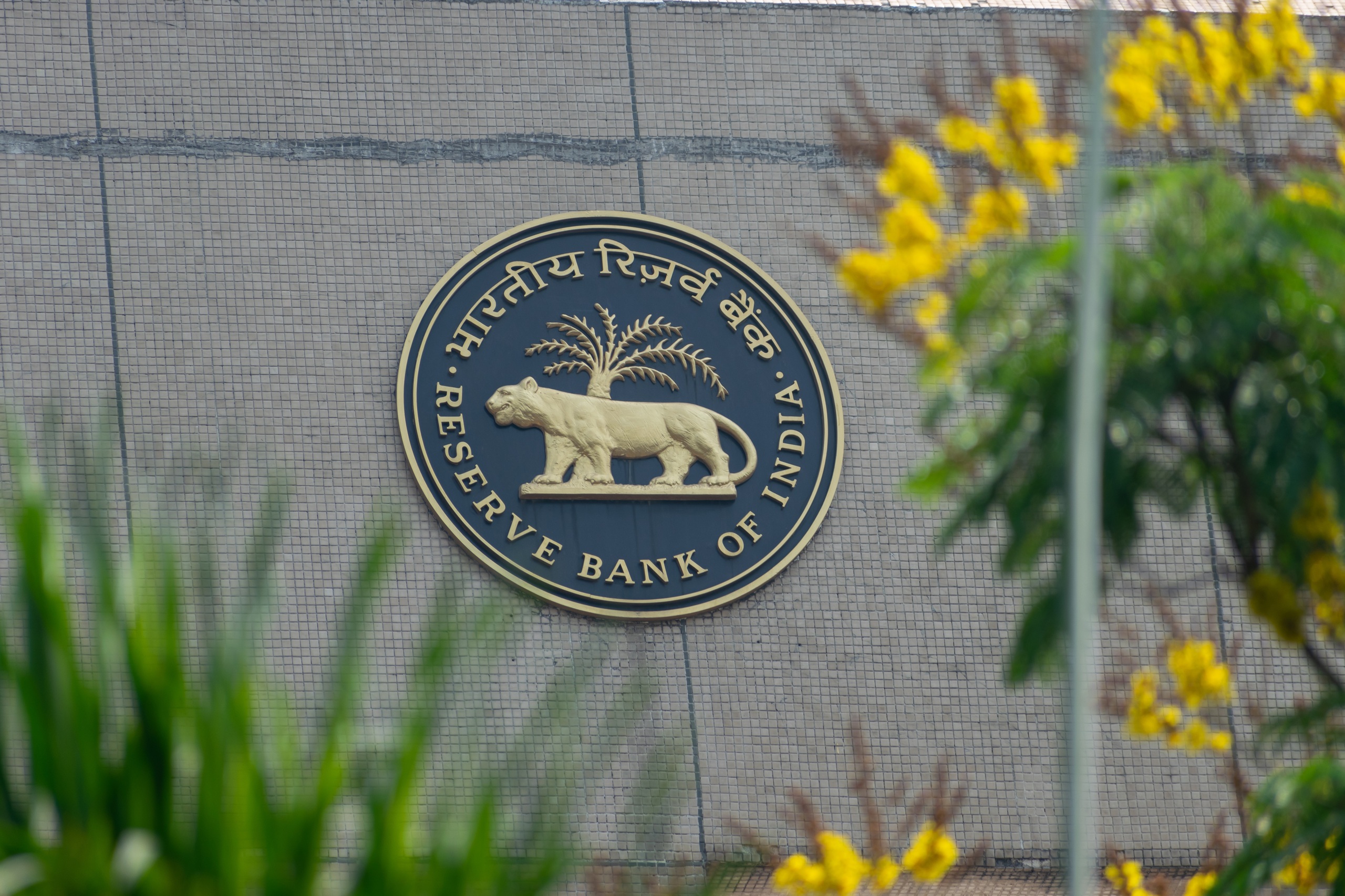
India’s monetary policy outlook is shifting as renewed inflationary pressure prompts markets to reassess expectations for the Reserve Bank of India (RBI). After a period in which investors focused heavily on economic growth and the potential for monetary easing, rising prices and higher input costs are increasing the likelihood that the central bank may need to keep financial conditions tighter for longer.
Inflation Puts the RBI Back in the Spotlight
The inflation outlook is becoming a more important factor for Indian markets as pressures from energy, commodities and other imported inputs filter through the economy. A sustained increase in consumer prices could limit the RBI’s flexibility, particularly if inflation begins to move further away from its medium-term target.
For policymakers, the challenge is to distinguish between temporary price increases and broader inflationary momentum. If higher costs begin feeding into wages and domestic demand, the pressure on the RBI to respond through interest rates could become more persistent. That would represent a notable shift from the environment in which investors had anticipated greater scope for monetary support.
Markets Reprice the Interest-Rate Outlook
Expectations for an RBI rate increase are being reflected across India’s financial markets. Government bond yields can come under upward pressure when investors anticipate tighter monetary policy, while interest-rate-sensitive sectors may face higher financing costs. The rupee is also closely watched because currency weakness can increase the domestic cost of imported energy and raw materials.
A rate hike would not necessarily signal a sharp tightening cycle. The RBI could opt for a measured response if inflation remains manageable and economic growth retains momentum. However, stronger-than-expected price pressures could encourage policymakers to place greater emphasis on containing inflation expectations before they become entrenched.
Growth, Energy Costs and the Rupee Remain Key Variables
India’s economic expansion creates another layer of complexity. Strong domestic demand provides support for growth but can also make it easier for companies to pass higher input costs through to consumers. At the same time, changes in global energy prices remain particularly important for India because the country relies heavily on imported crude oil.
A weaker rupee could amplify those pressures by making energy and other imports more expensive in local-currency terms. Conversely, a stable currency and easing commodity prices could give the RBI more room to maintain its existing policy stance while monitoring inflation developments.
The next phase of the Indian rate cycle will depend heavily on incoming inflation data and the persistence of cost pressures. Investors will watch consumer-price trends, crude oil prices, the rupee, government bond yields and the RBI’s policy guidance for signs of whether a rate increase is becoming necessary. The key question will be whether inflation proves temporary or develops into a broader trend that requires a more restrictive monetary response.
Comparison, examination, and analysis between investment houses
Leave your details, and an expert from our team will get back to you as soon as possible
* This article, in whole or in part, does not contain any promise of investment returns, nor does it constitute professional advice to make investments in any particular field.
To read more about the full disclaimer, click here
- Ronny Mor
- •
- 6 Min Read
- •
- ago 4 hours
SKN | Japan Services Growth Slows as Demand Cools After Five-Month High
Japan’s service sector continued to expand in September, but activity lost momentum after reaching a five-month high in August. The
- ago 4 hours
- •
- 6 Min Read

Japan’s service sector continued to expand in September, but activity lost momentum after reaching a five-month high in August. The
- Ronny Mor
- •
- 6 Min Read
- •
- ago 5 hours
SKN | Japan’s Reflation Era Faces Rate Hike Pressure from Former BOJ Policymaker
Japan’s long-running reflation strategy is entering a new phase as inflation and wage growth become increasingly established. Asahi Noguchi, a
- ago 5 hours
- •
- 6 Min Read

Japan’s long-running reflation strategy is entering a new phase as inflation and wage growth become increasingly established. Asahi Noguchi, a
- Ronny Mor
- •
- 8 Min Read
- •
- ago 15 hours
SKN | What Are the Five Key Market Catalysts Investors Should Watch This Week?
U.S. financial markets enter the week facing a dense schedule of monetary-policy, economic and corporate catalysts that could influence
- ago 15 hours
- •
- 8 Min Read

U.S. financial markets enter the week facing a dense schedule of monetary-policy, economic and corporate catalysts that could influence

- omer bar
- •
- 7 Min Read
- •
- ago 17 hours
SKN | US and China Money Supply Hits Record Levels: Is Global Liquidity Entering a New Expansion Cycle?
The money supply of the world’s two largest economies has reached unprecedented nominal levels, putting global liquidity back at
- ago 17 hours
- •
- 7 Min Read

The money supply of the world’s two largest economies has reached unprecedented nominal levels, putting global liquidity back at
